I wrote that little forgotten quote in one of my sketchbooks a long time ago. It was a footnote in an obscure page that had been lost to the drawings and doodles. I only recently rediscovered it while perusing my old sketchbooks.
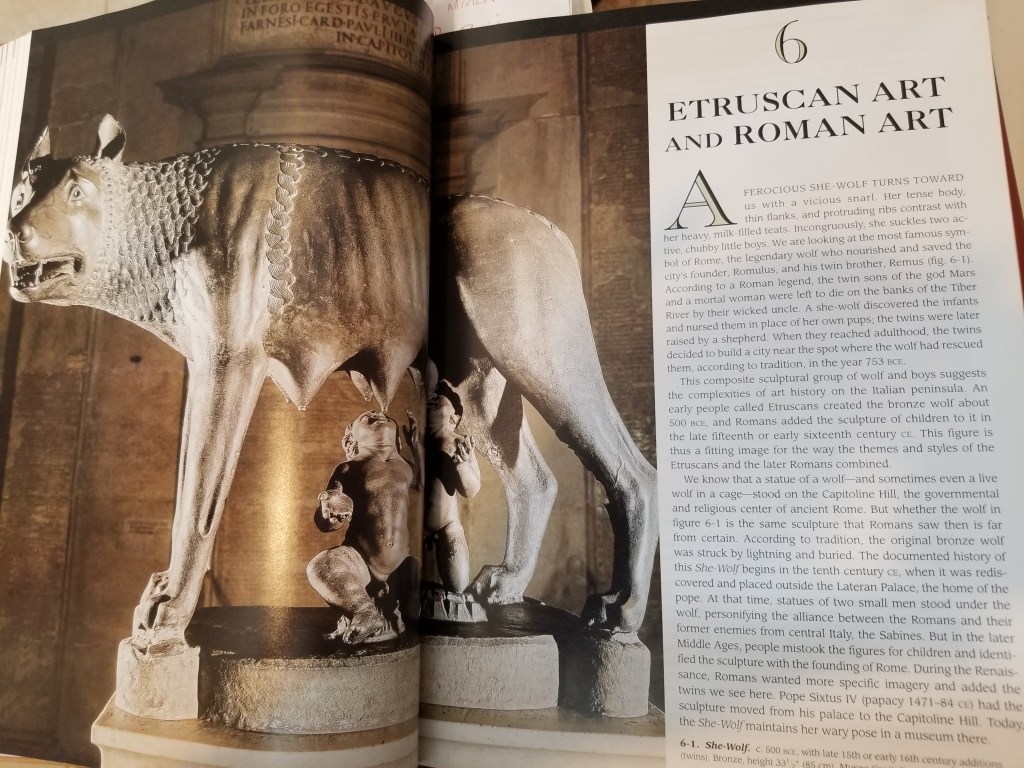
While in college, we were required to study art history as part of our curriculum, which is common for all accredited art schools. This helps students to learn about and appreciate the history that led up to contemporary art aesthetics today. Needless to say, the books required for this study were huge.

Still sits in my living room in case I need a refresher.
The classes we attended were all lecture based but were still engaging in their content. I had taken art history courses throughout middle school so most of it was a refresher however, I now had the ability to appreciate what we were learning and the content was more in-depth than previously experienced. Over the course of three years, we went from the origins of art and human interaction through as much as we could cram into lectures up to post-modernism with options to explore specific time periods during our senior year. Since the lion’s share of mainstream art history occurred in, and around Europe, I knew I wanted to visit at some point to see what all the buzz was about.
FFW to 2016
A longtime childhood friend and his wife approached us one day with a tantalizing offer. A Mediterranean cruise for 11 days and 10 ports of call for a price that was so low, we didn’t believe it at first. Sure enough, the price was legitimate and the offer had a short life, we needed to make a decision almost immediately. We took the deal and were scheduled to board the ship that summer in Athens, Greece.
I was excited to be traveling to Europe, and even more excited to visit places that I only read about in my books. This was more than just a Eurotrip, it was a pilgrimage to see art history. Our trip would start in Athens, traverse the northern Mediterranean countries, and end in Barcelona. We decided to arrive a couple of days early and take a day trip to Santorini.
I won’t spend the entire post talking about every little thing we did every day of the trip, that would be boring and take forever, so I’ll tell the story through quick paragraphs and galleries and show how it relates to the history I grew up reading.
Hopping the Pond
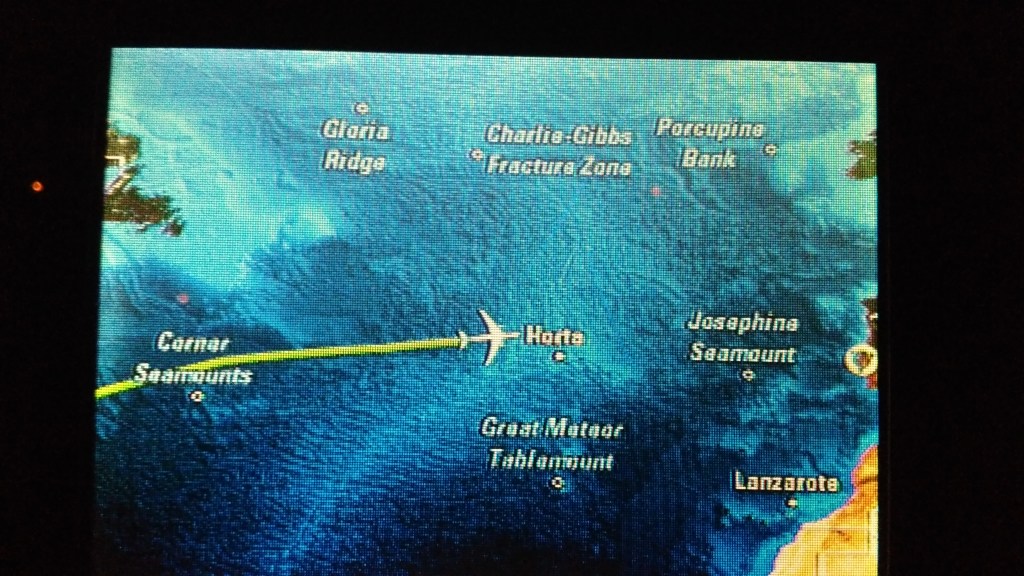
Summer 2016, mid July, we jumped on a plane over the Atlantic with 2 layovers. Miami to Lisbon, Lisbon to Frankfurt, Frankfurt to Athens. After a day of travel, we finally made it to Athens, Greece; the departure port of the cruise. We arrived with just enough time to catch some sleep before the next flight. Exhausted but excited, we had some dinner and slept off all the flying and running around. The next morning, we were on an early flight to the small island of Santorini.
On an Island in the Mediterranean
Flying over the Greek isles in the morning with a thick mist over the water was as an ethereal a sight as anyone will witness. As the glow of the morning sun slowly crawled over the horizon, the islands began to show themselves. Flying thousands of feet over the Aegean revealed an ancient archipelago of scattered mounds rising from what seemed like a calm sea.

As we touched down in Santorini and we deplaned into the terminal, the sun peeked over the horizon setting up what would be a day of sights that I will never forget.
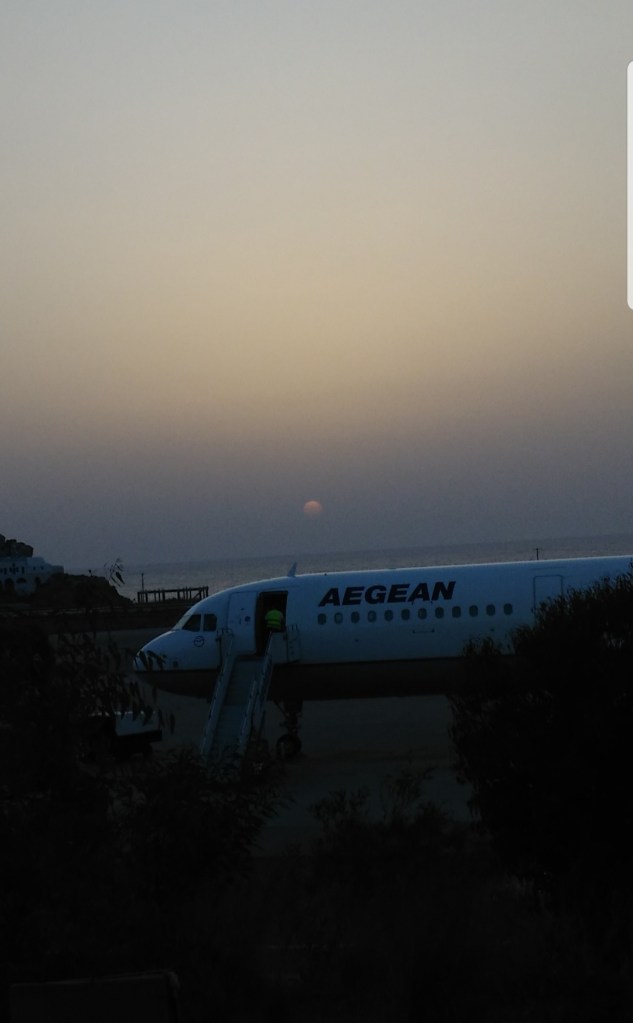
We started in Thira, took a boat to trek over the volcano, dipped into volcanic hot springs, had lunch by the water, rode donkeys up the cliffs in Oia, and ended with dinner and a sunset by the sea while sitting on a cliff back in Thira.
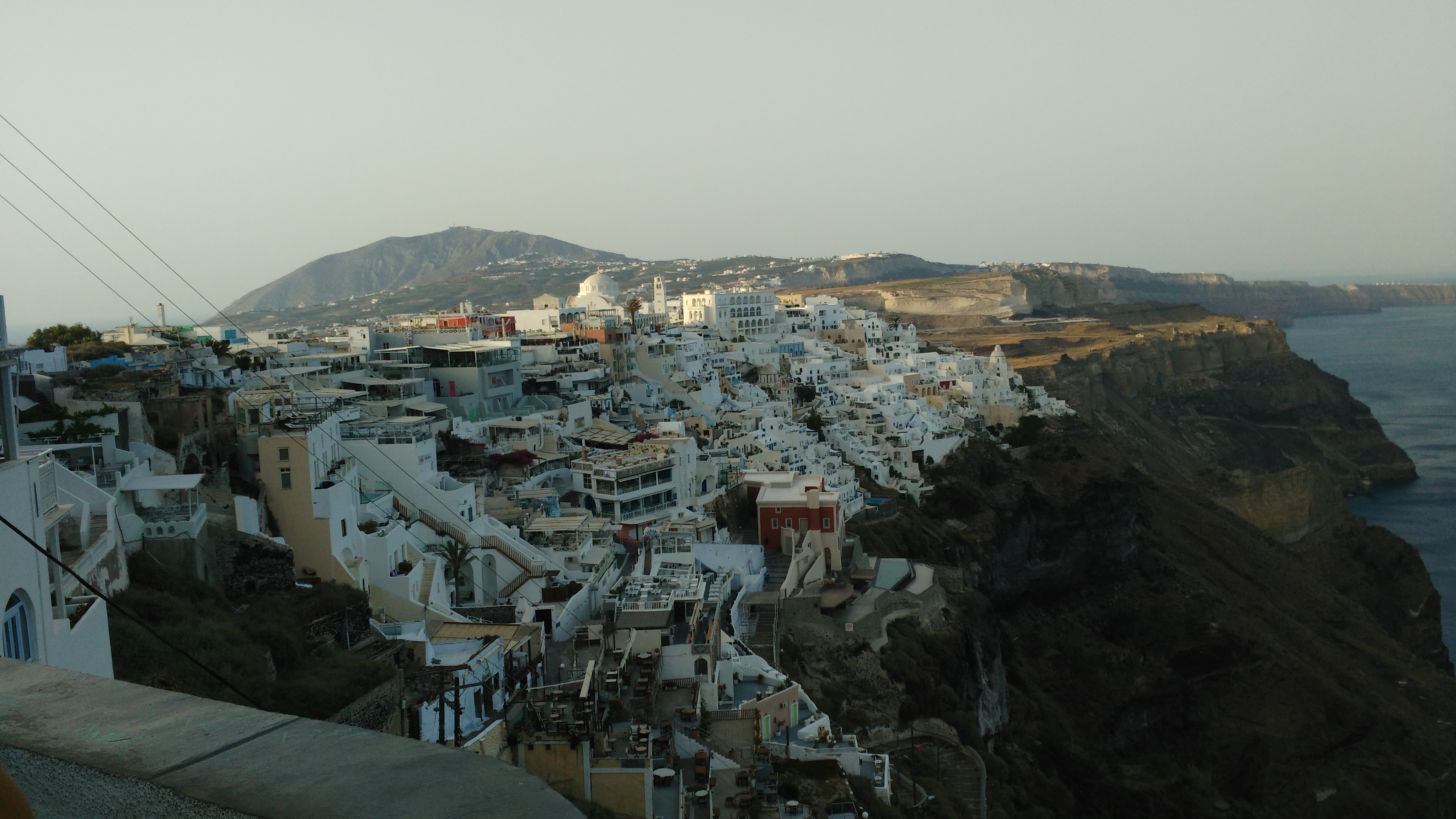
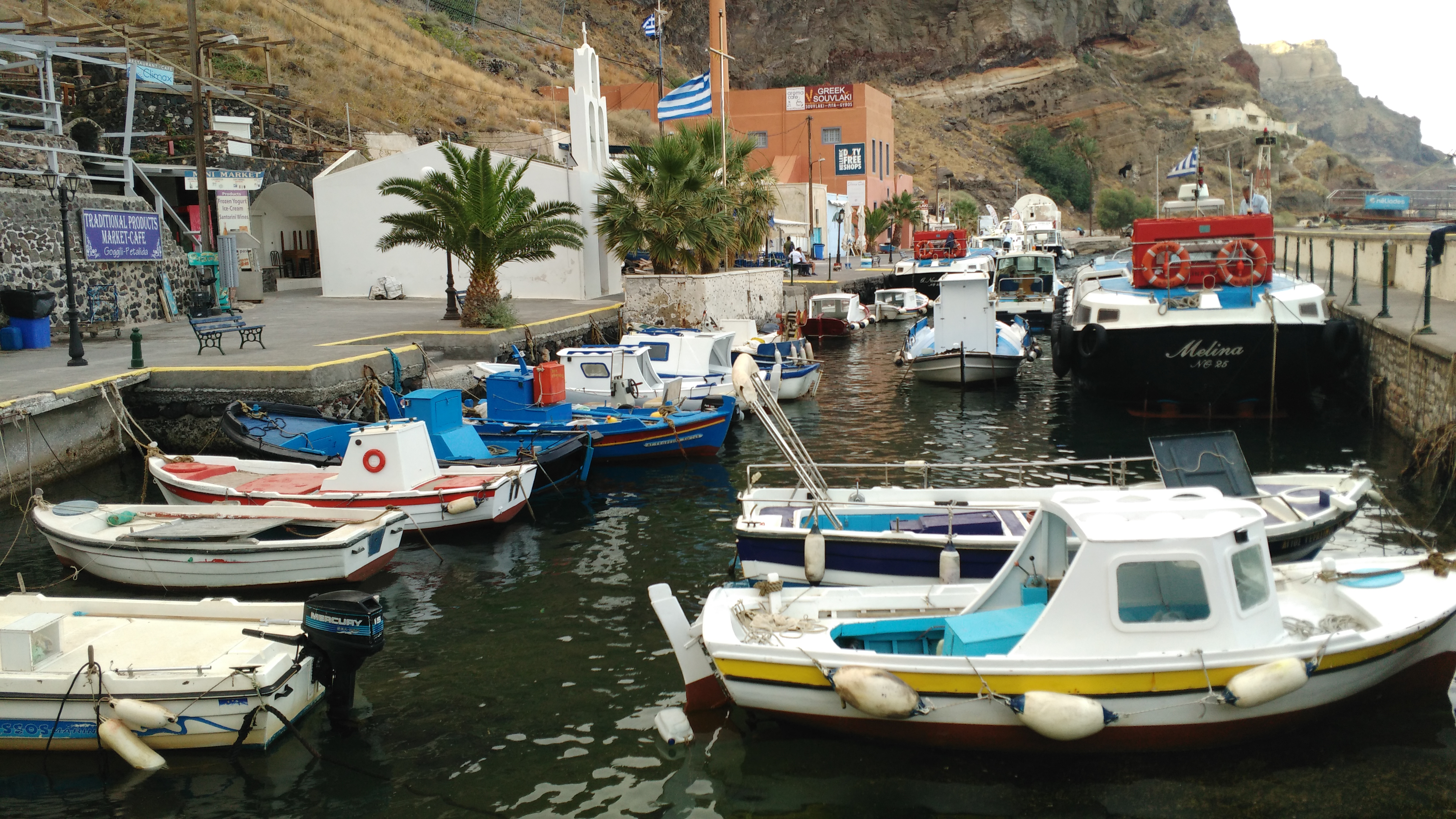
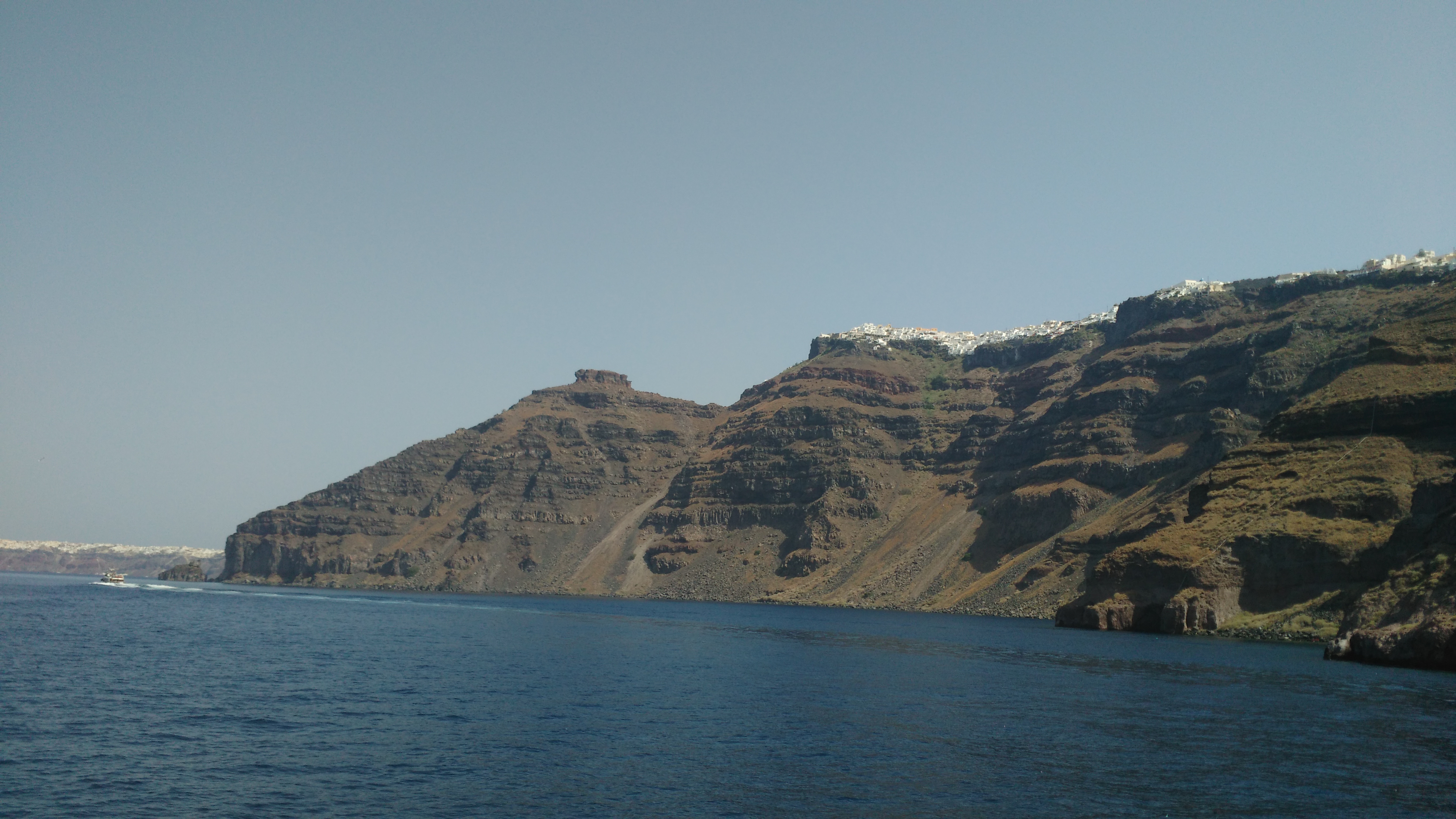
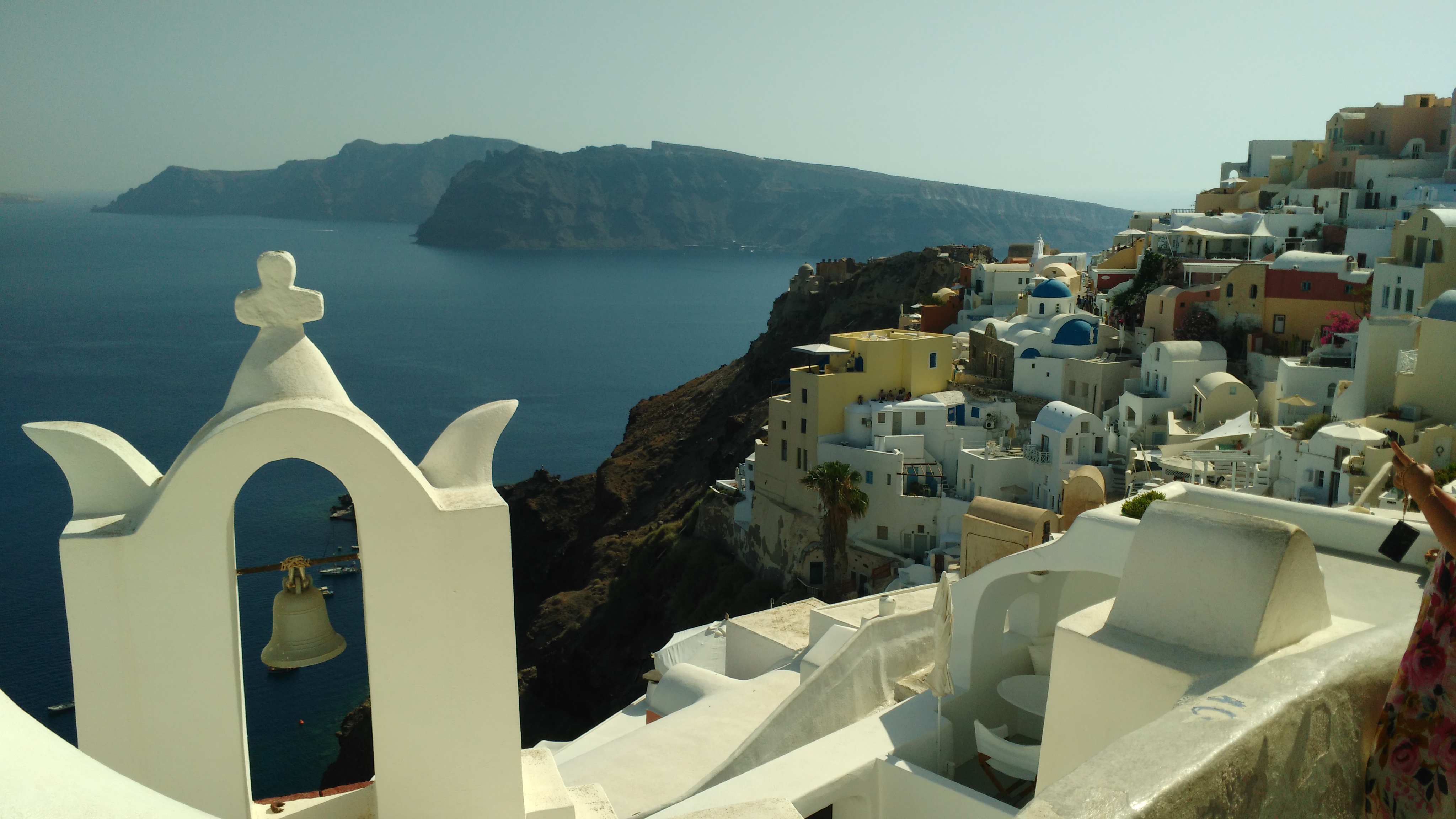
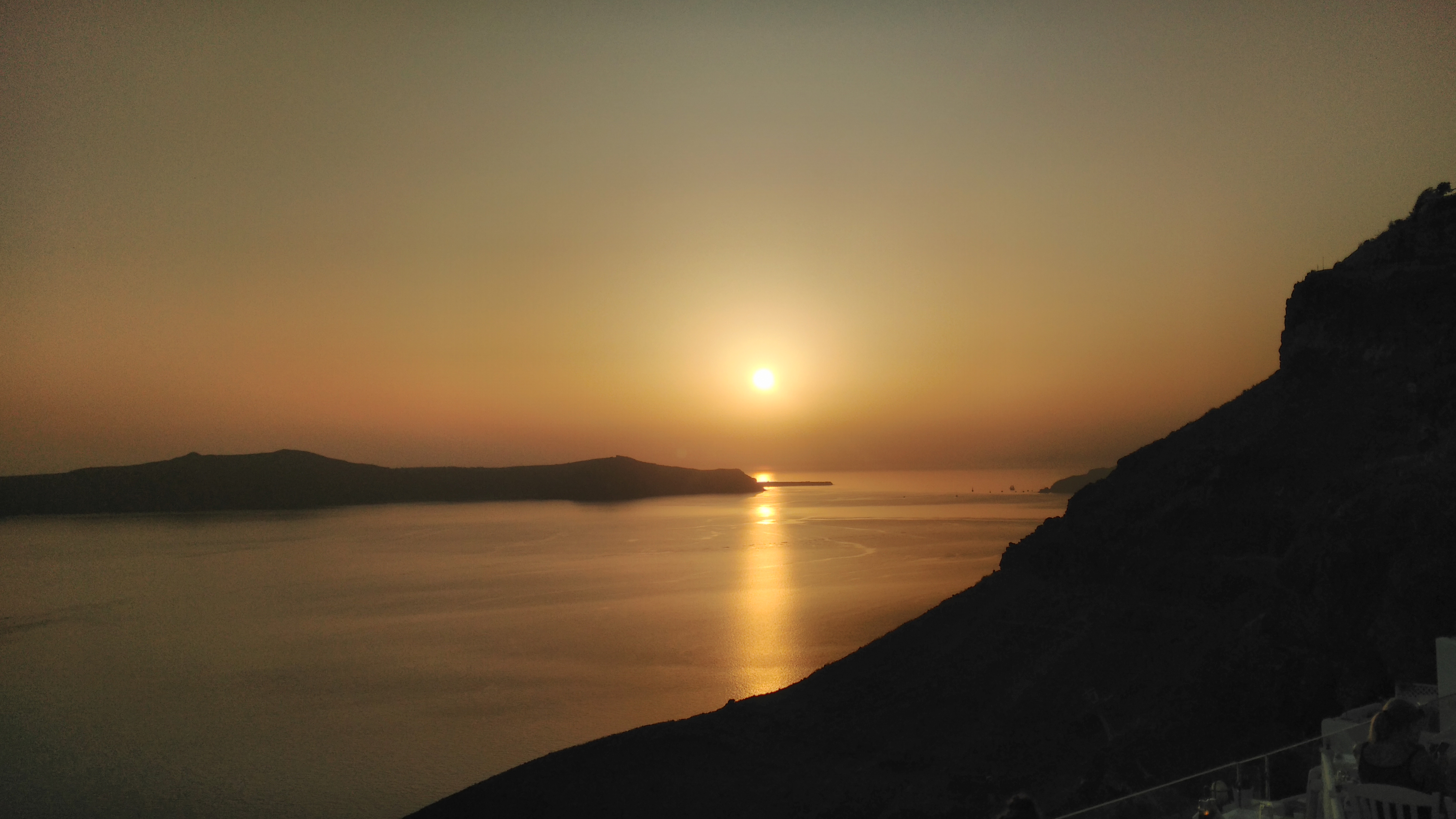

The day was a whirlwind of new sights and experiences. Seeing towns perched on the edge of the cliffs, defying gravity, yet risking it all at the same time showed how a people can carve out a living and make it into something for the world to take notice. The history of this area is rich and it shows in the every day lives of the locals we encountered along the way. The architecture is unique to each island but they all keep a similar aesthetic creating a contiguous body of art. Like individual compositions, each different but similar to the next.
Big Ship Sailing on the Ocean
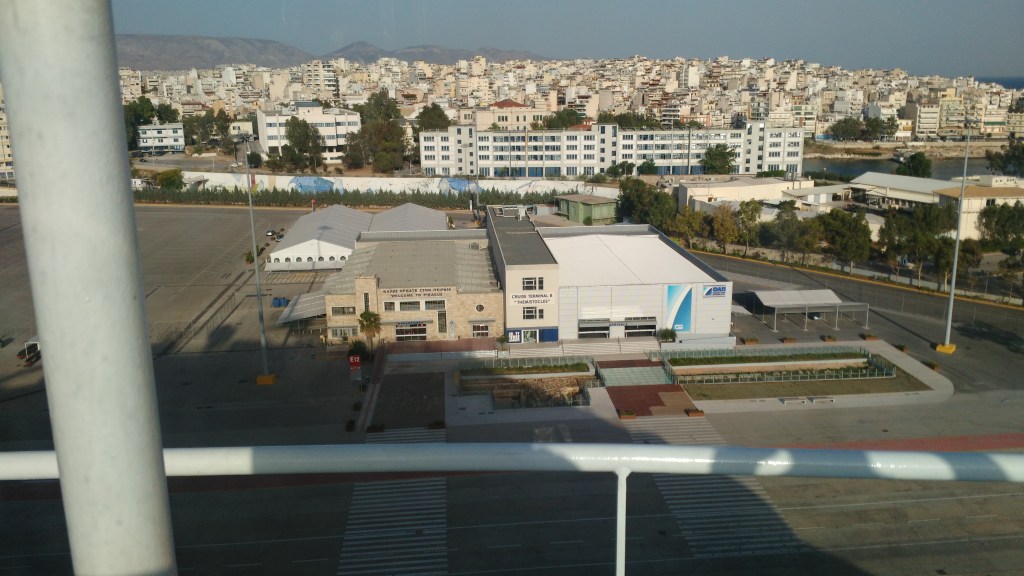
We took a night flight back to Athens where we needed to check into a different hotel. Tired, sleep deprived, and into the AM hours, all four of us collapsed in exhaustion to try and catch some sleep. We thought that the boarding time for the cruise was in the afternoon on the following day so we planned to see some sights before boarding the ship. We all slept past the alarm the next morning and I woke up sometime later in a panic trying to get everyone to rush to get ready. After double checking our itinerary to see how much time we had, we realized that boarding time was much sooner and we needed to be at port ASAP or we wouldn’t make the cruise. Quickly, and without regard for order, we gathered our belongings, zipped down to the lobby, ate something while we waited for our ride to the port. Luckily, we made it in time and and with just enough moments to spare to catch a short lived glimpse of Athens as we sailed away.
Ephesus, Rhodes, Valetta, Messina.
The first four stops seemed very short, perhaps we were still adjusting to the time change, most likely we were all still trying to get to a point where we weren’t feeling rushed like the traveling days leading up to the cruise.
First stop was Kusadasi, Turkey. It consisted of visiting “The House of the Virgin Mary” with a stop in the ancient city of Ephesus, and a quick tour of a silk workshop producing fine silk rugs. Architecture was the dominant form of art in this part of the world. Most Islamic cultures bar the use of anthropomorphic imagery so patterned art and architecture were the popular forms of visual expression. This was most evident in the ancient city of Ephesus. Roman influence was present all around. From the Roman toilets to the vaulted archways, the architecture was something explored in my history books.

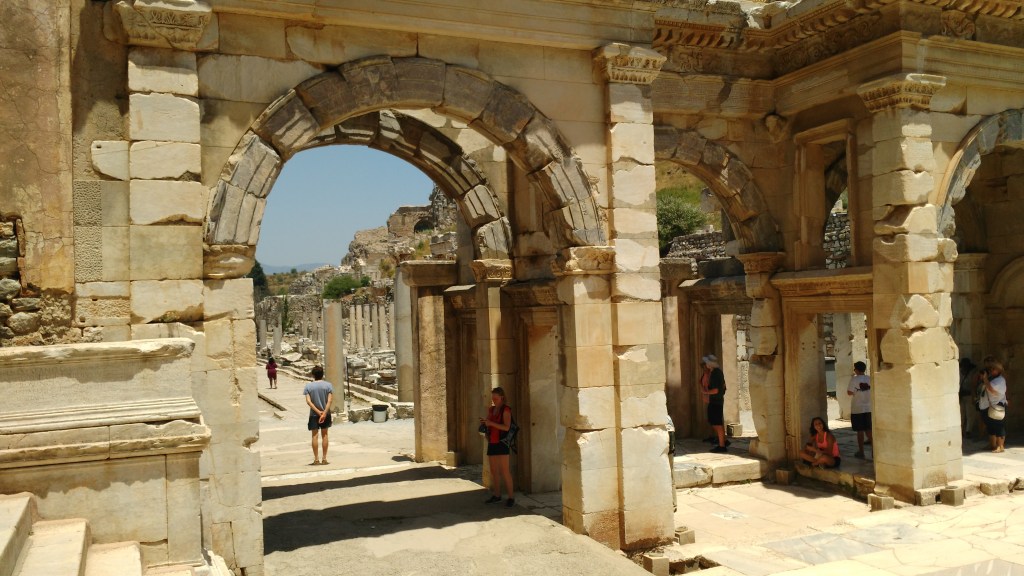
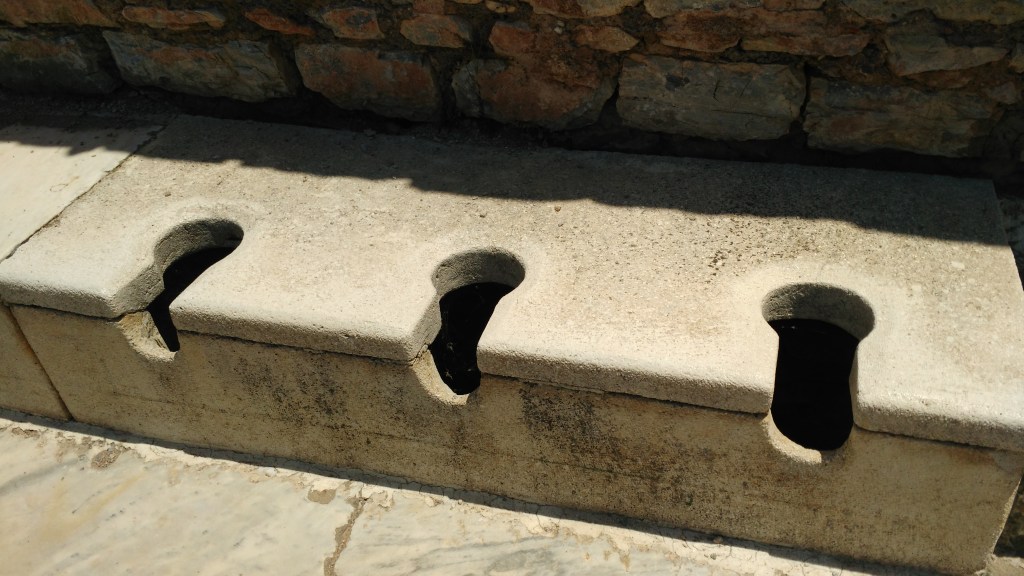


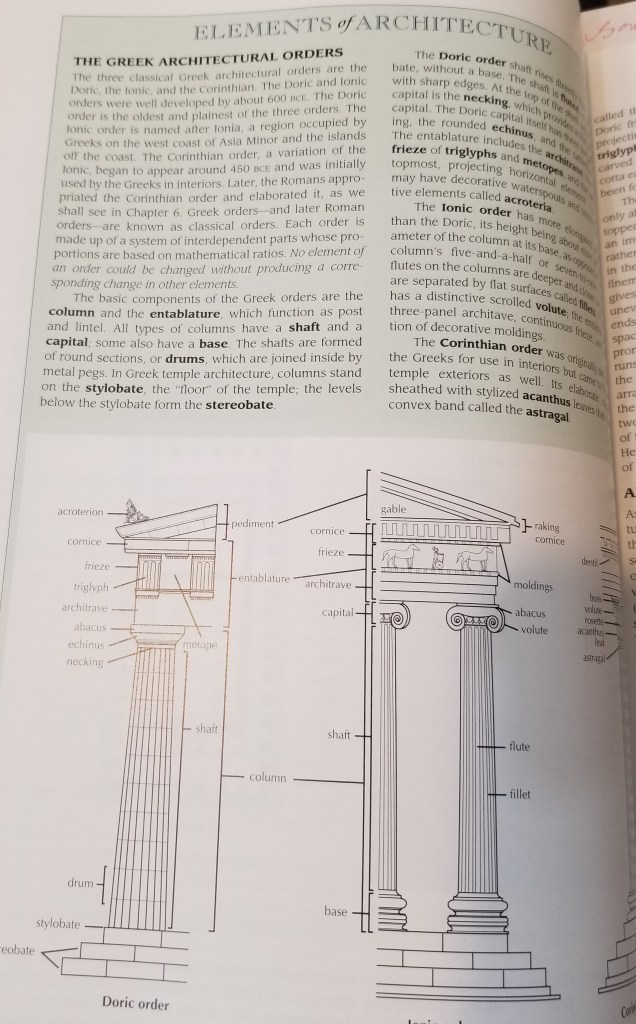
These were things that most people would not notice while taking a tour so it would be difficult for them to appreciate the sights they were seeing from an artists eye. The day ended with a stop to get some Turkish coffee and a visit to a local silk shop crafting handwoven silks.
The next day we arrived in Rhodes. This was a very short stop becauae the following port was more than a day’s trek away in Malta. So we explored the area near the port and spent some time on a pebbled beach.
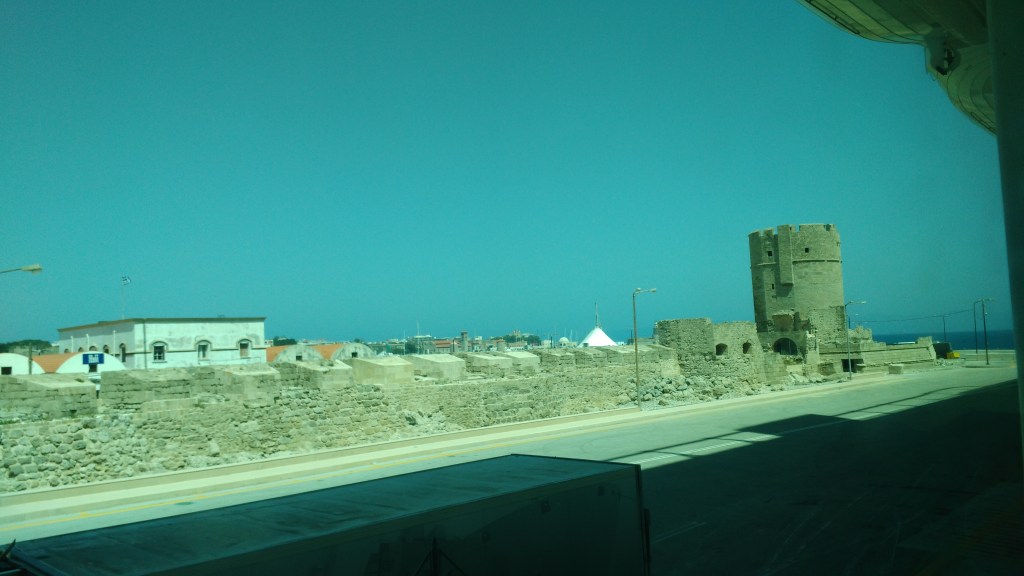


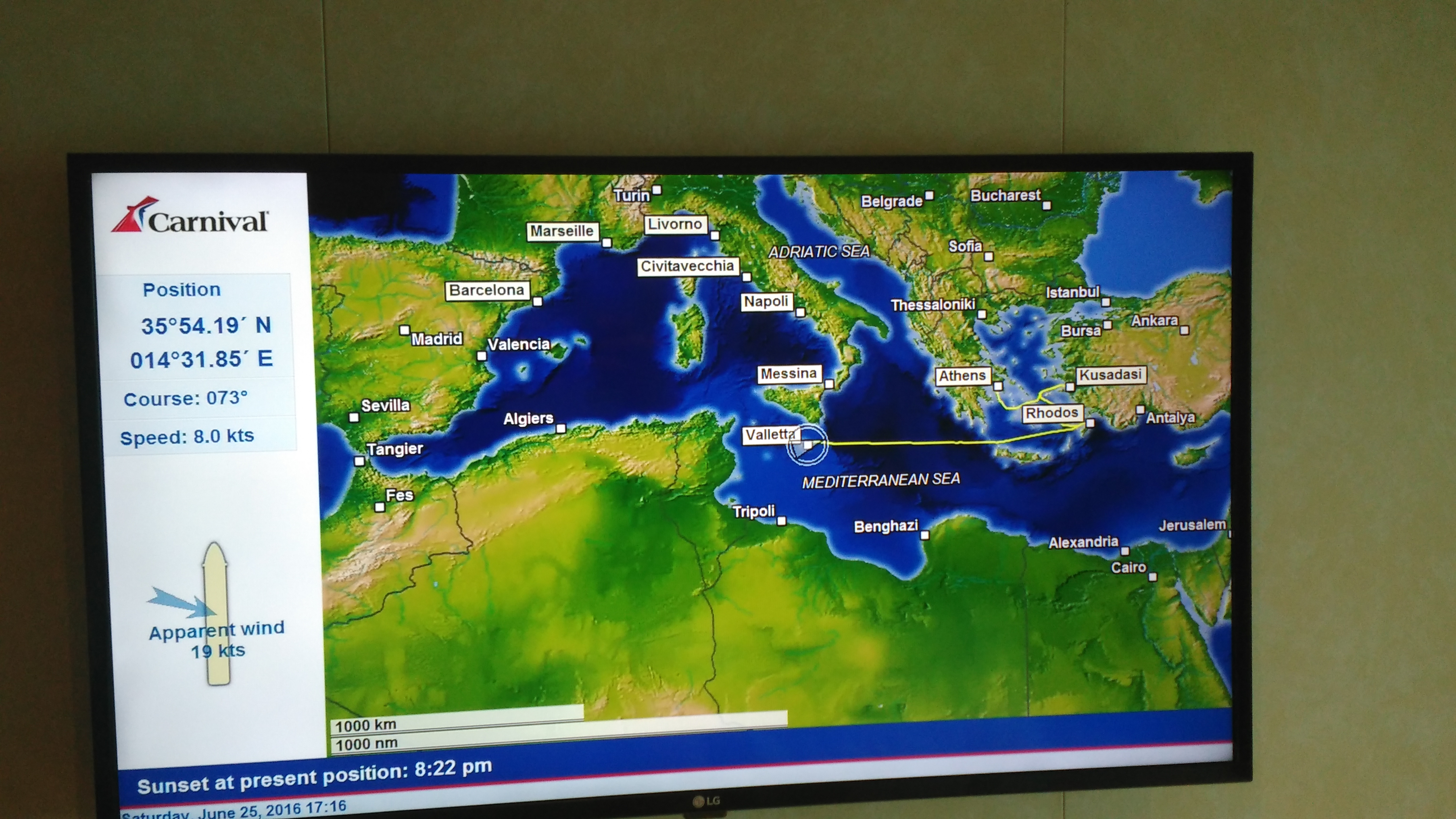
After Rhodes, we spent a day at sea while making our way over to Malta. This served as the decompression day to relax and do nothing. Not events scheduled, nowhere to go since we were in the middle of the Mediterranean sea, no chores, no responsibilities. It was much needed.
Arriving in Valetta was like a scene from every medieval movie near water. There were ancient and modern architectural elements all over the port and throughout the city. History was constantly surrounding us everywhere we went. Our tour guide liked to point out where most scenes from films and tv shows were shot. She especially liked to point out scenes from “Game of Thrones” as the island hosted many locations for filming the show. We learned of their culture, conquests and defeats, as well as how war and colonization influenced the development of the Malta that we saw that day.
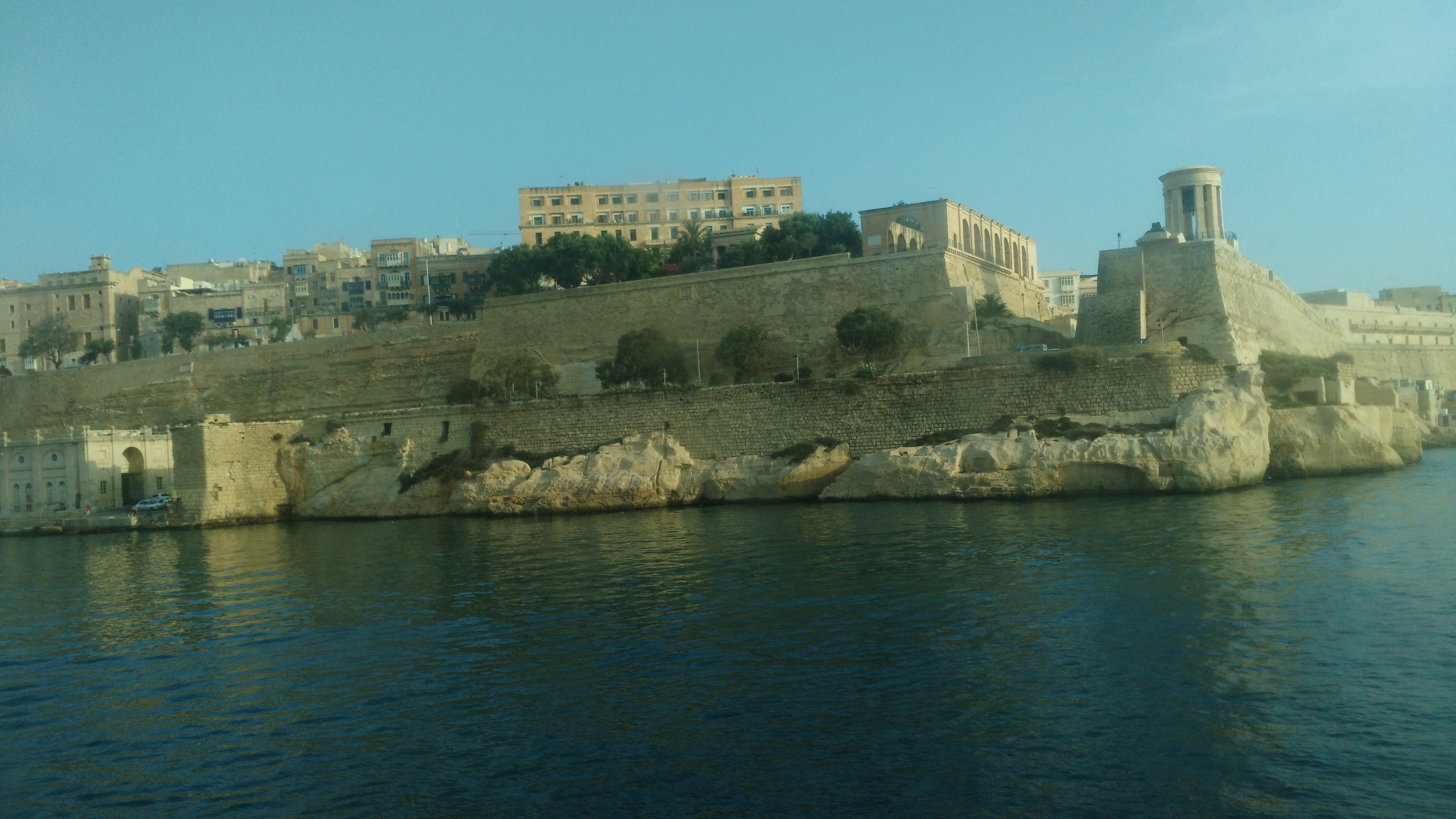
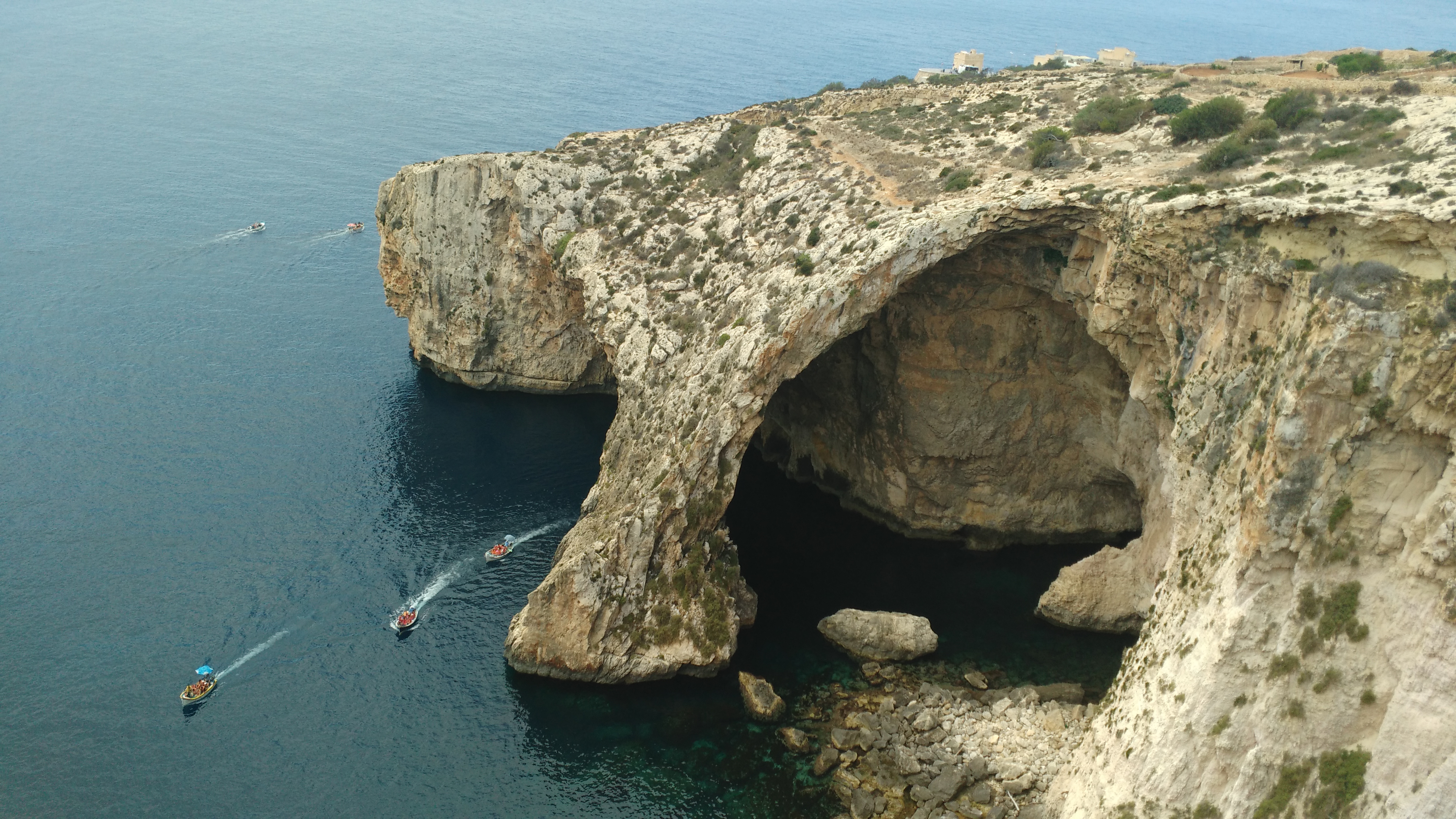
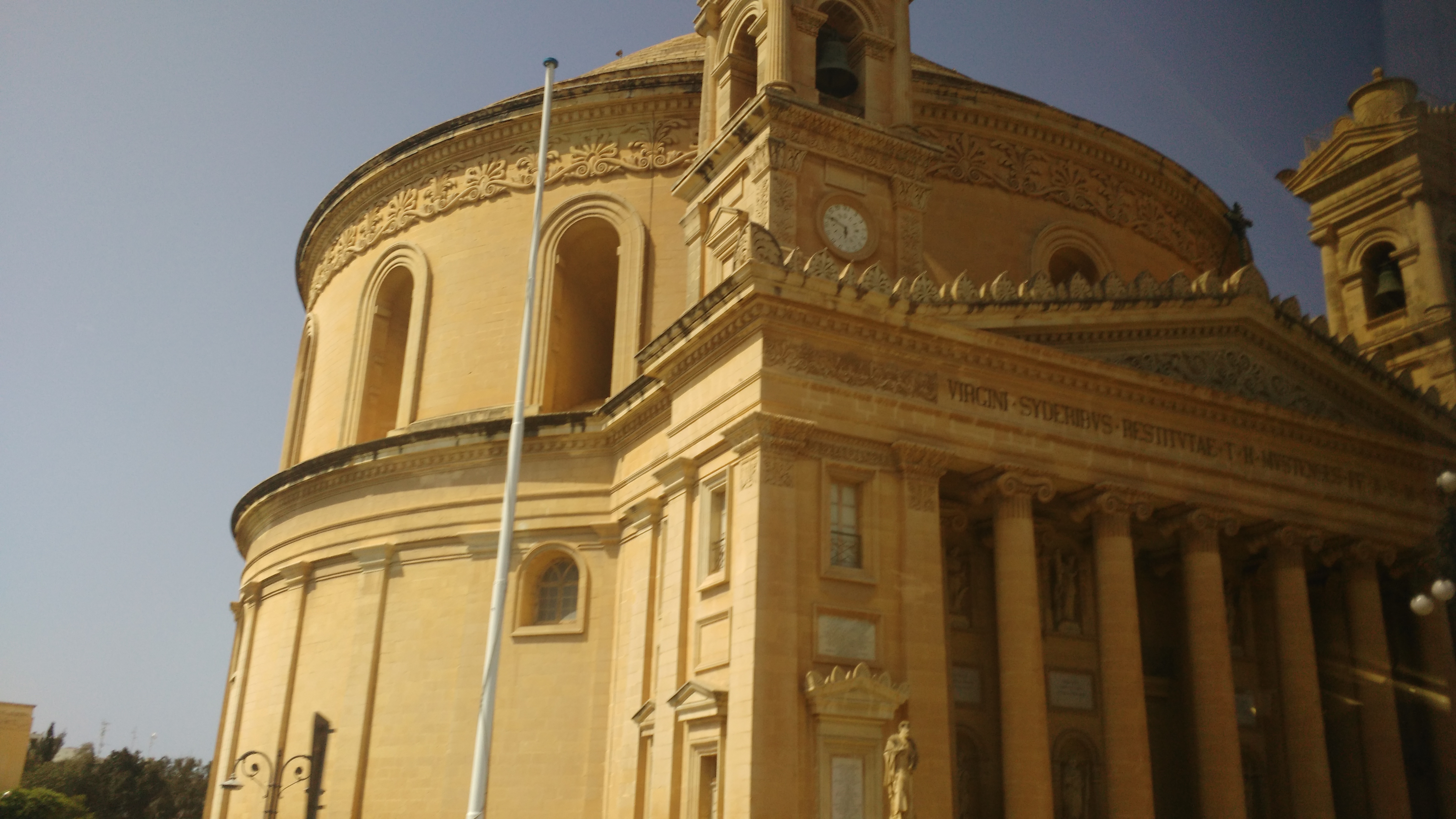
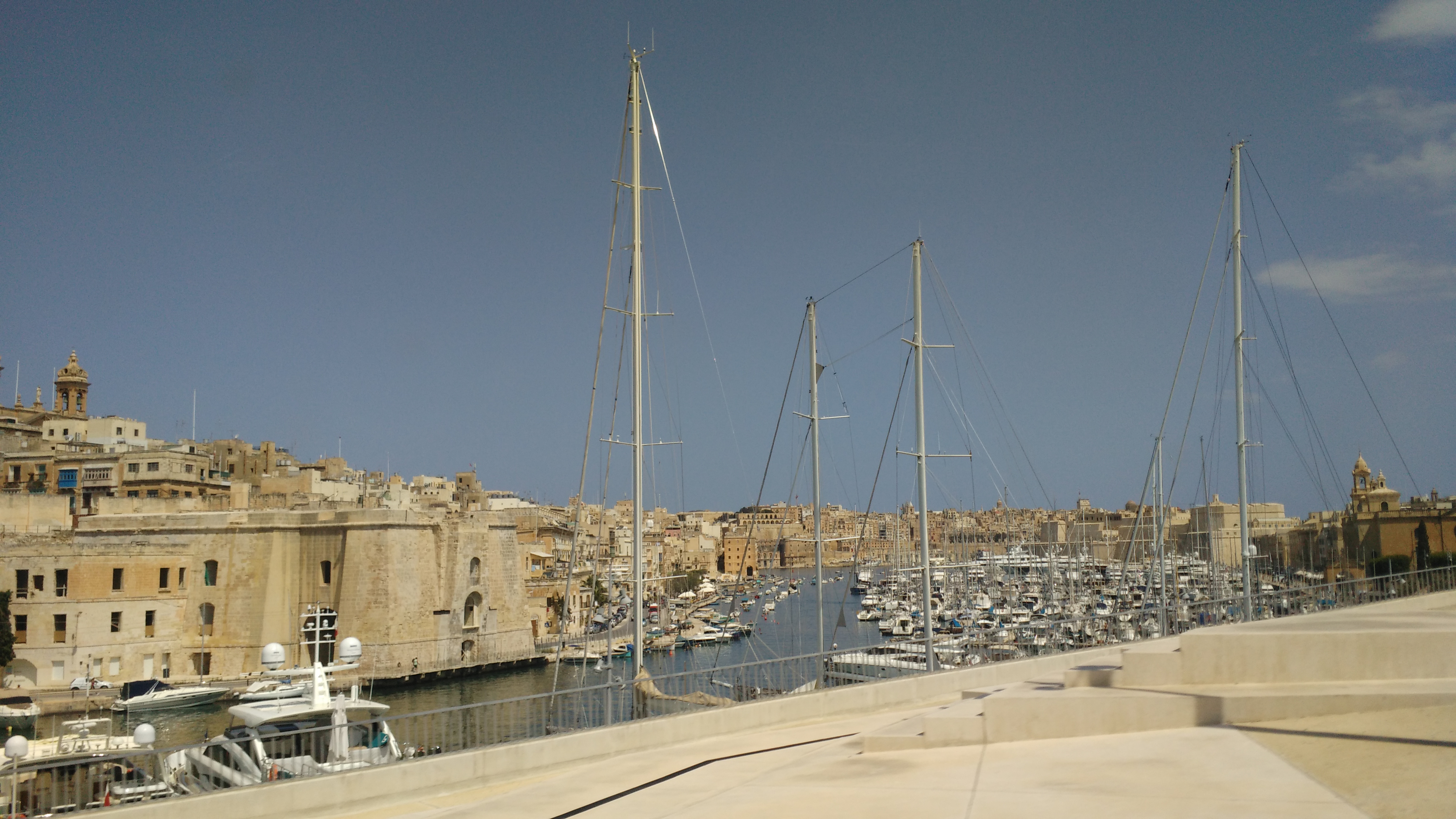
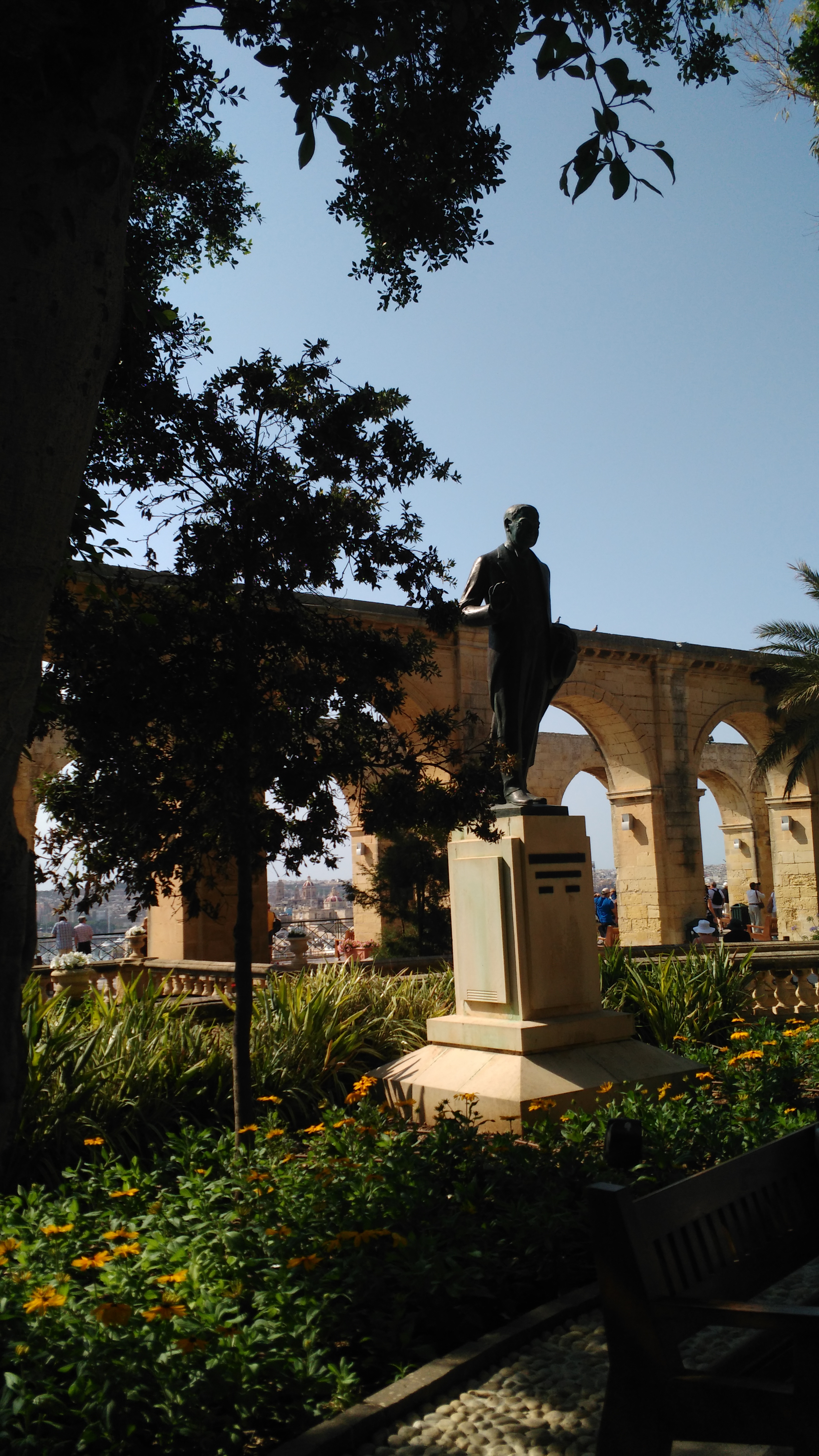
The well tended gardens along with a unique version of medieval and victorianesque style architecture made for a good walk through the areas we visited. We did a lot of walking in Malta and saw a good portion of the small island. And like most of the other destinations of this trip, there was not enough time to do everything.
The next day we sailed into Messina, Sicily. A city at the base of a volcano brushing up against the sea with stepped gardens and a rich history of fishing and pasta making.
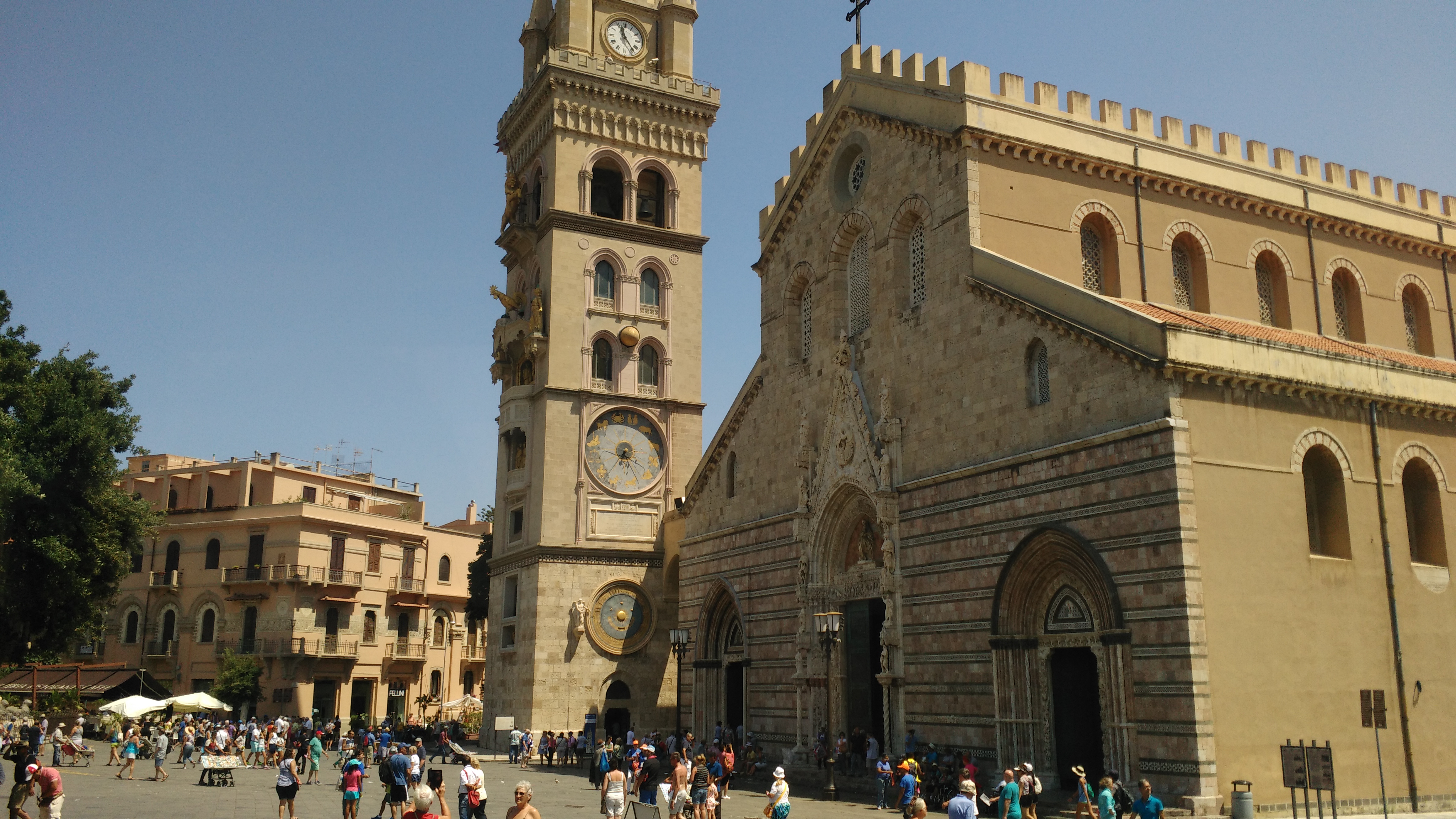
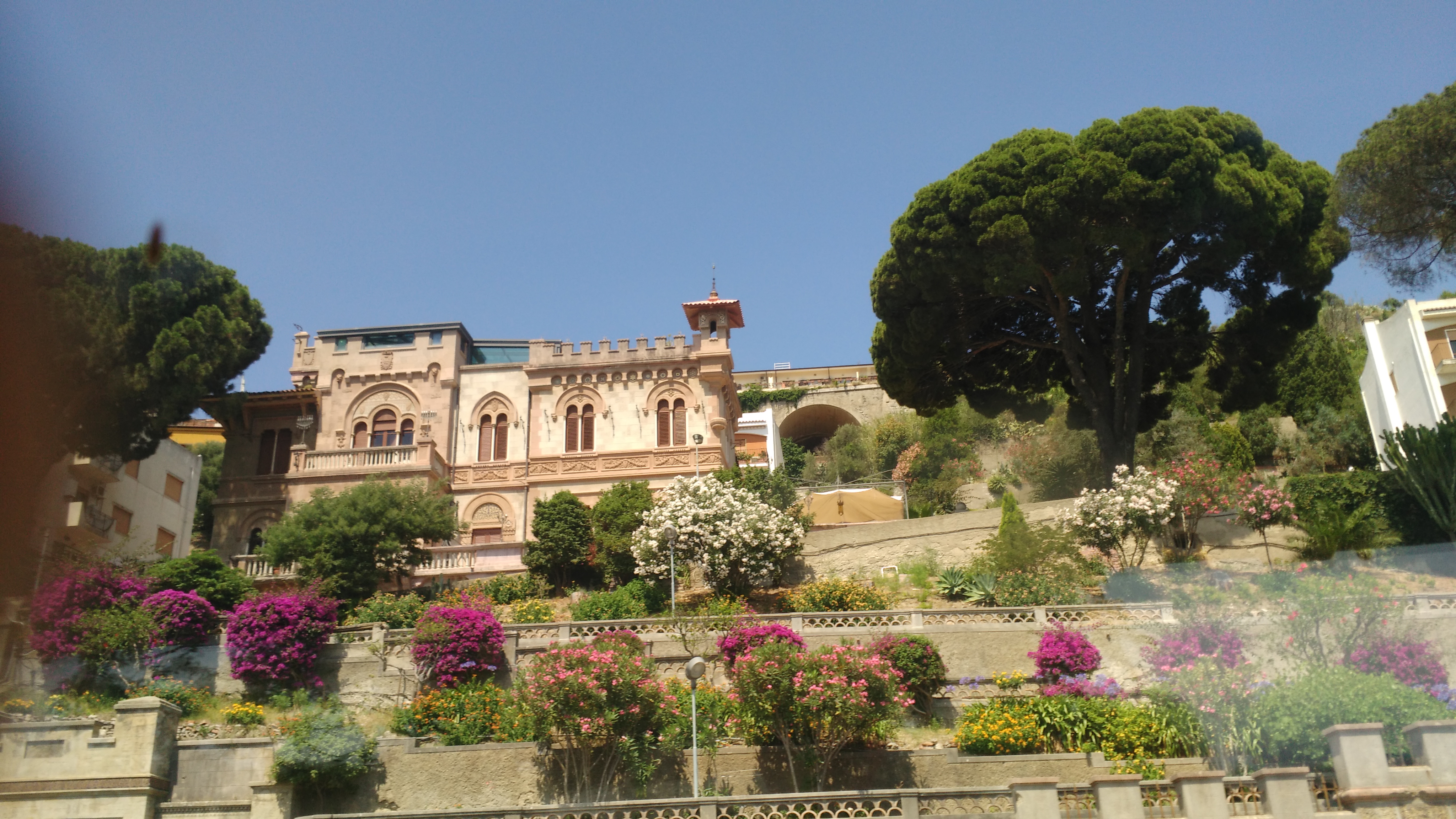

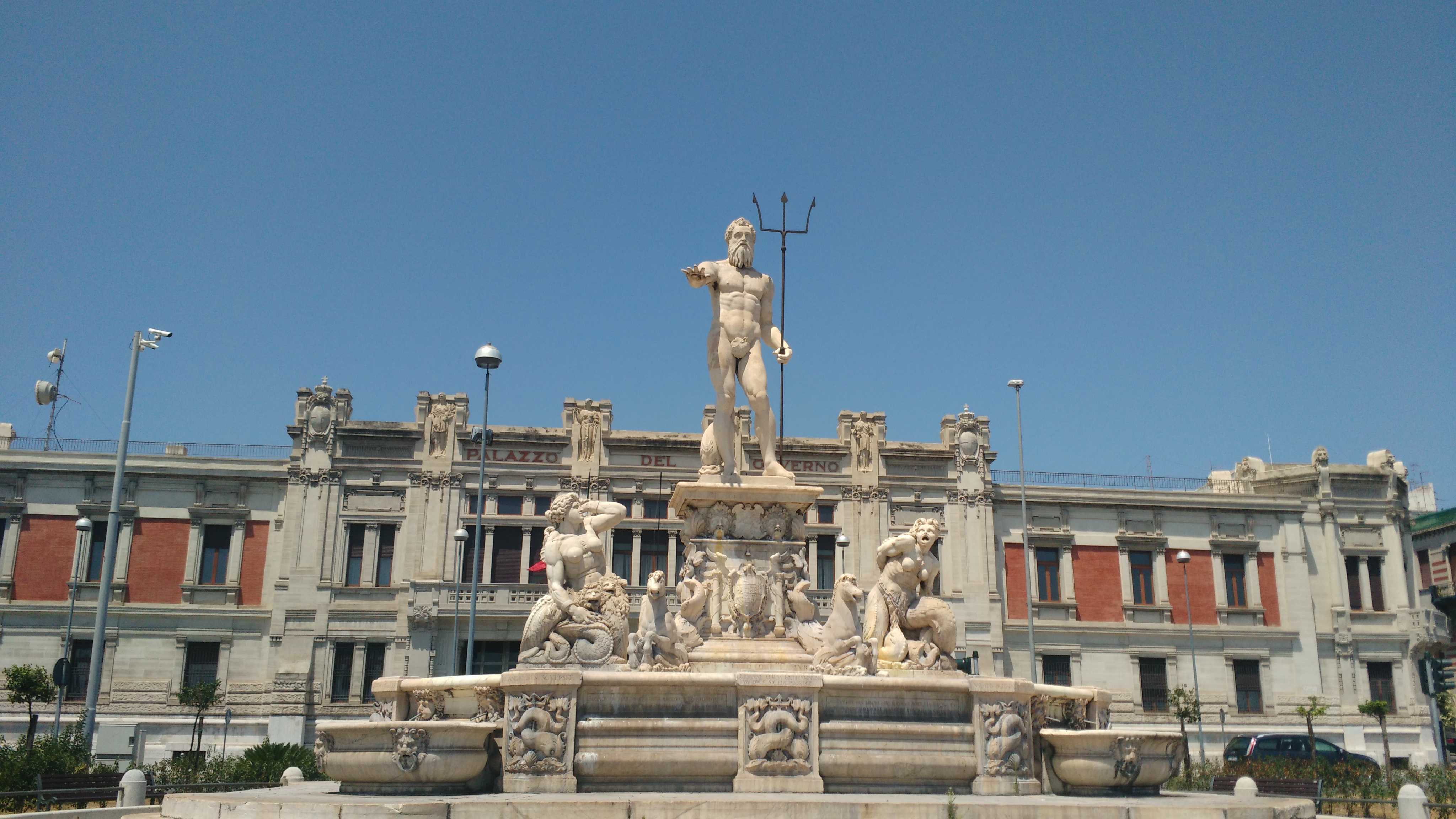
That stop was also short simply because we were saving our energy for the next 3 days of cruising and lots of walking up the western Italian coast.
Naples, Capri, Sorrento, Pompeii, Rome, Florence, and Pisa.
After leaving Messina, I knew that the best and most influential cities in Italy were next and the excitement began to build.
Our first mainland Italy port was Naples where we saw the quintessential tourist draws, the markets full of giftshops selling useless wares. We immediately hopped on a ferry to the isle of Capri to start a day long journey which would culminate with a visit to the ruins of Pompeii.
Capri was gorgeous. An island jutting up from the water, it had a colorful culture and beautiful gardens full of exotic flora. We took a trolley from the small port up to the top part of the island. There was one place in particular which sat at the very top of the island mountain that exhibited monolithic ceramic vessels and very well tended gardens.

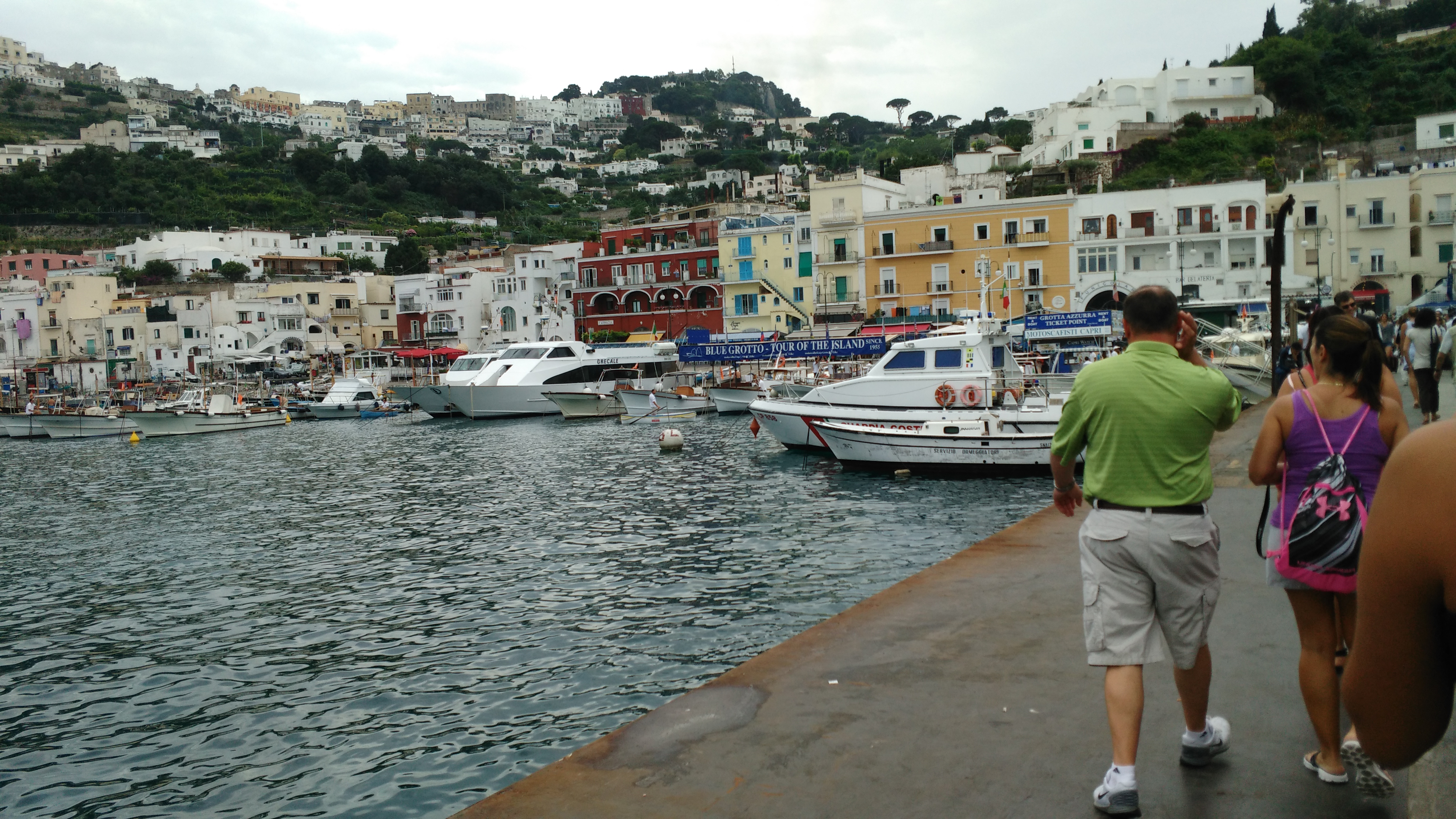

Near this garden is where I took my most valued souvenir, which I cannot say in a public forum as it can still be taken away from me. Ask me in person. The gardens were part of the town and were expansive. There were sections off limits to tourists so we didn’t really get to these the whole area before we needed to start heading back to the port for the mainland again.
We boarded a ferry back to Sorrento for lunch. The port in sorrento was small but the sights were incredible. Structures sat on precipices and the town was a dense and bustling area where locals sold souvenirs. Limoncello was everywhere and all of them claimed to be the best. We walked through a wood artisan shop producing veneer art. Some ruins lay in the middle of the town hidden in a crevasse in the town square.
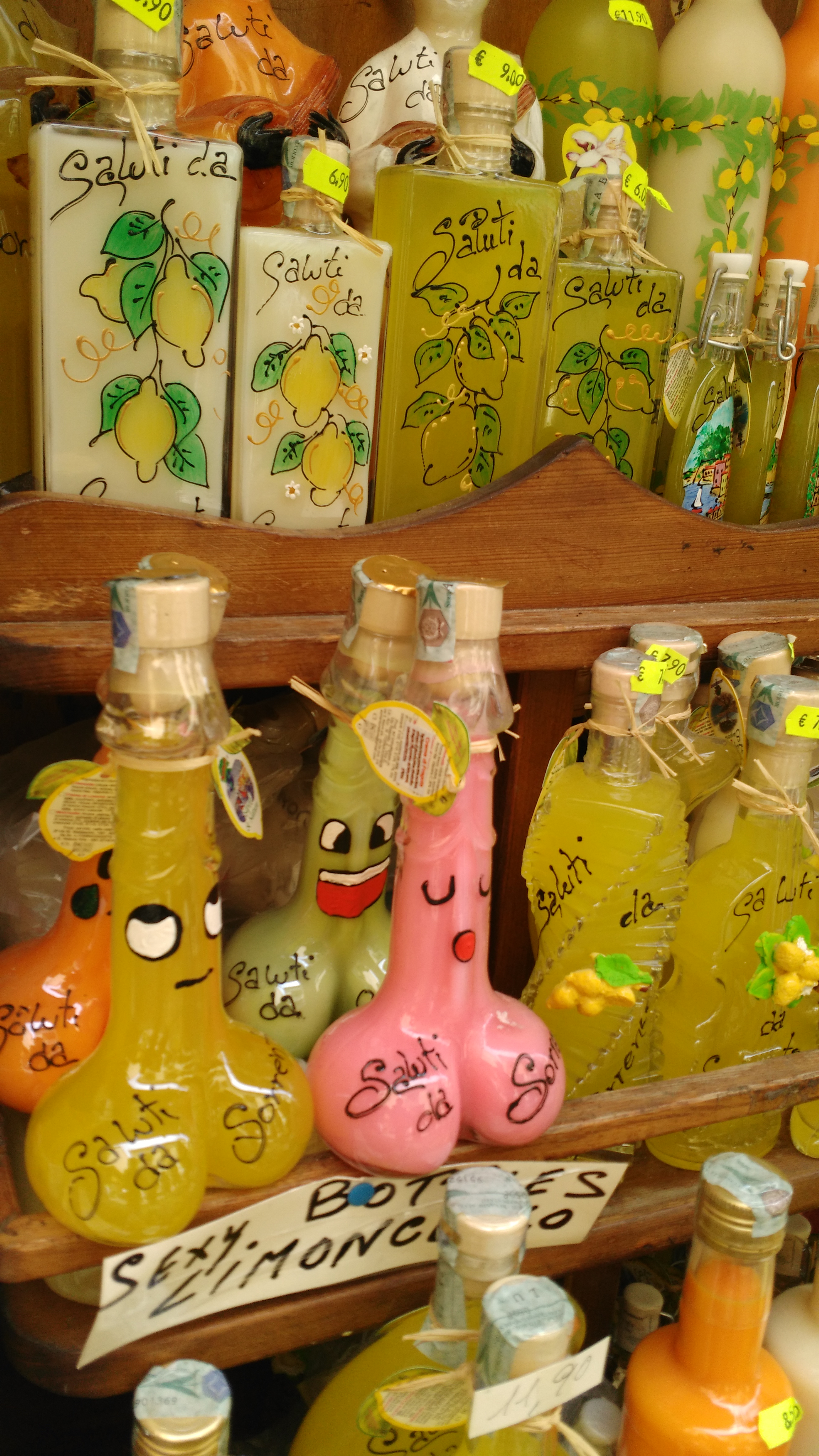
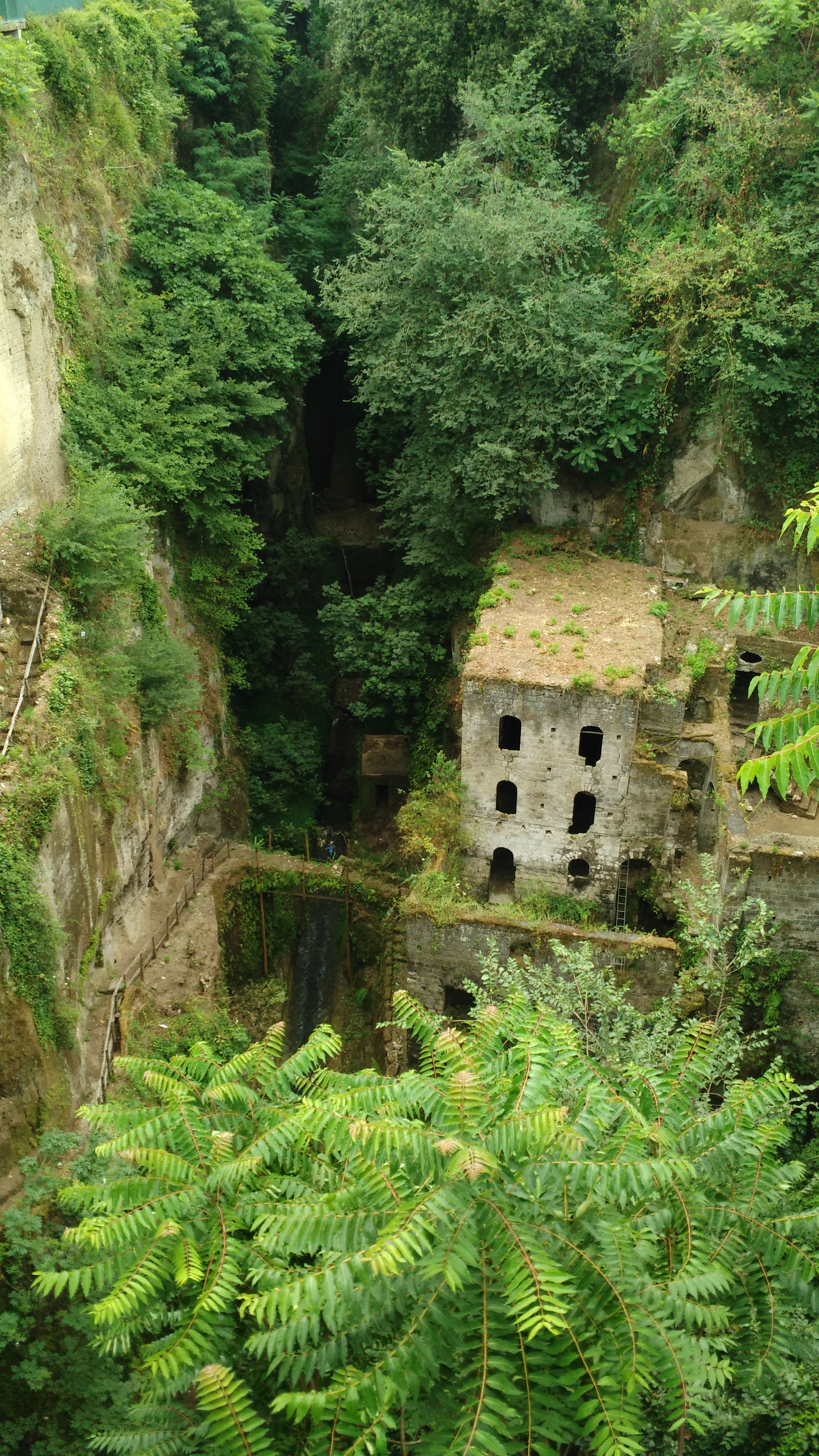
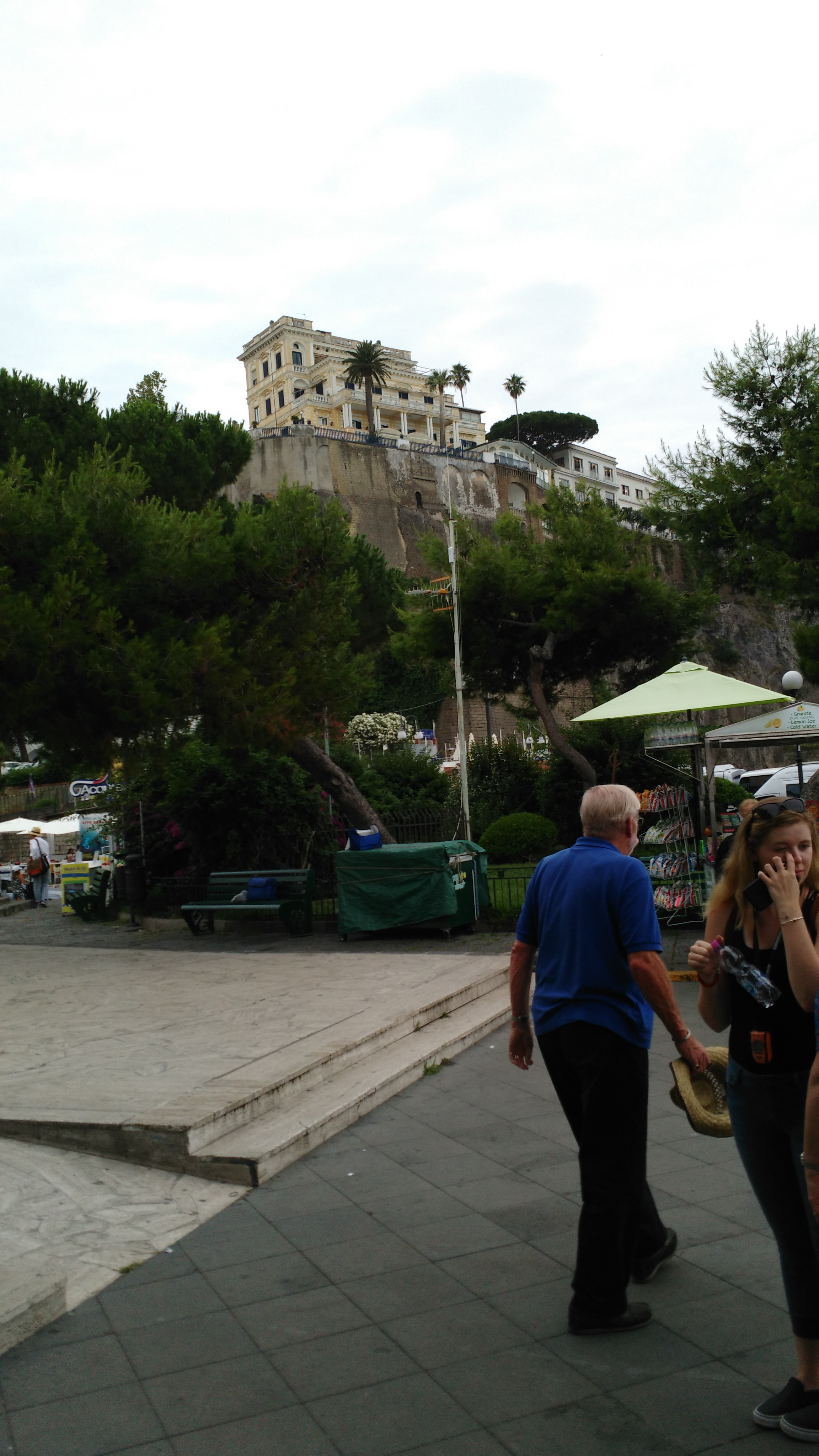
We boarded a tour bus from Sorrento after lunch for some sightseeing during a 30 minute ride over to the ruins of Pompeii, a bucket list item of mine.
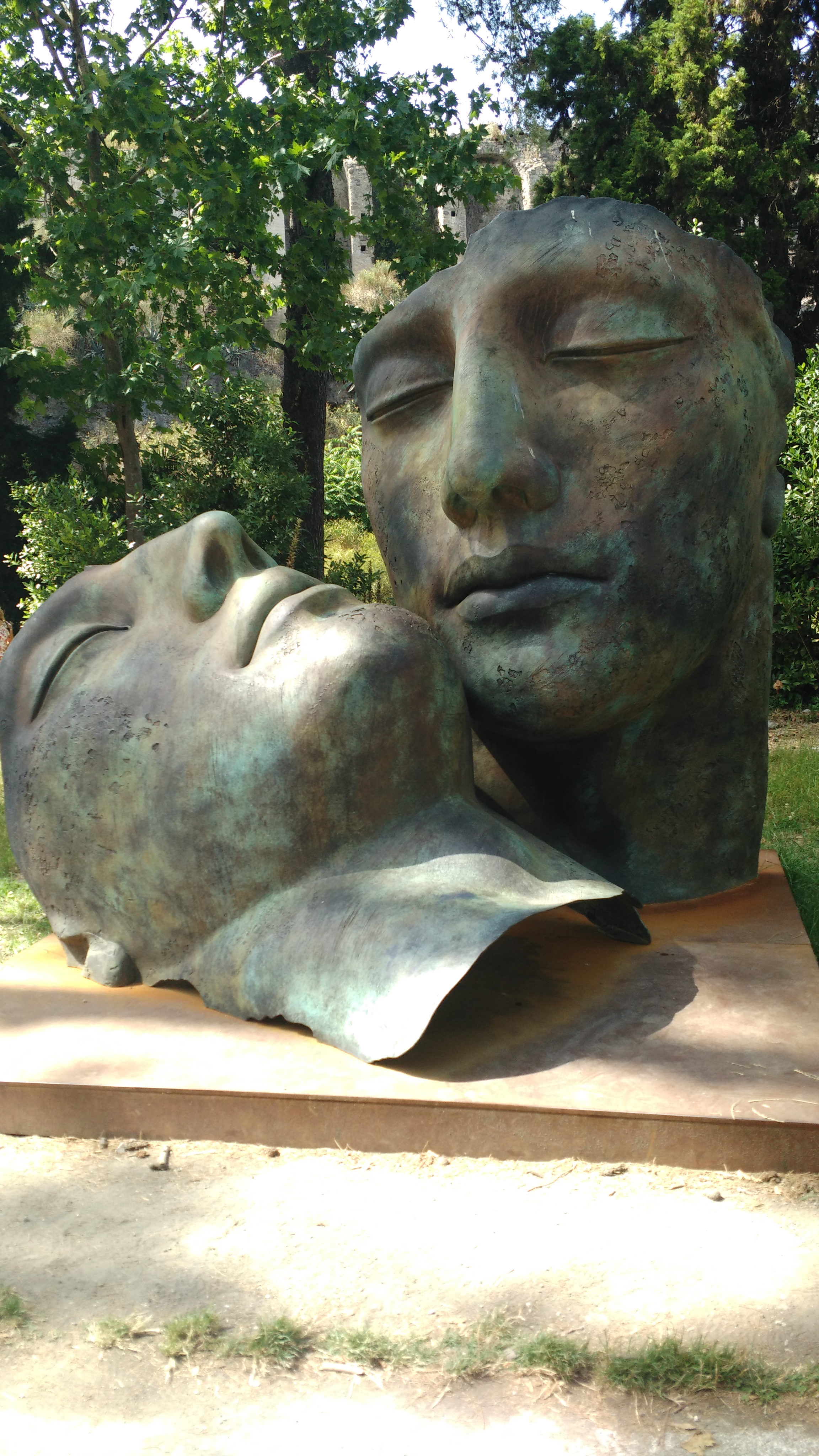
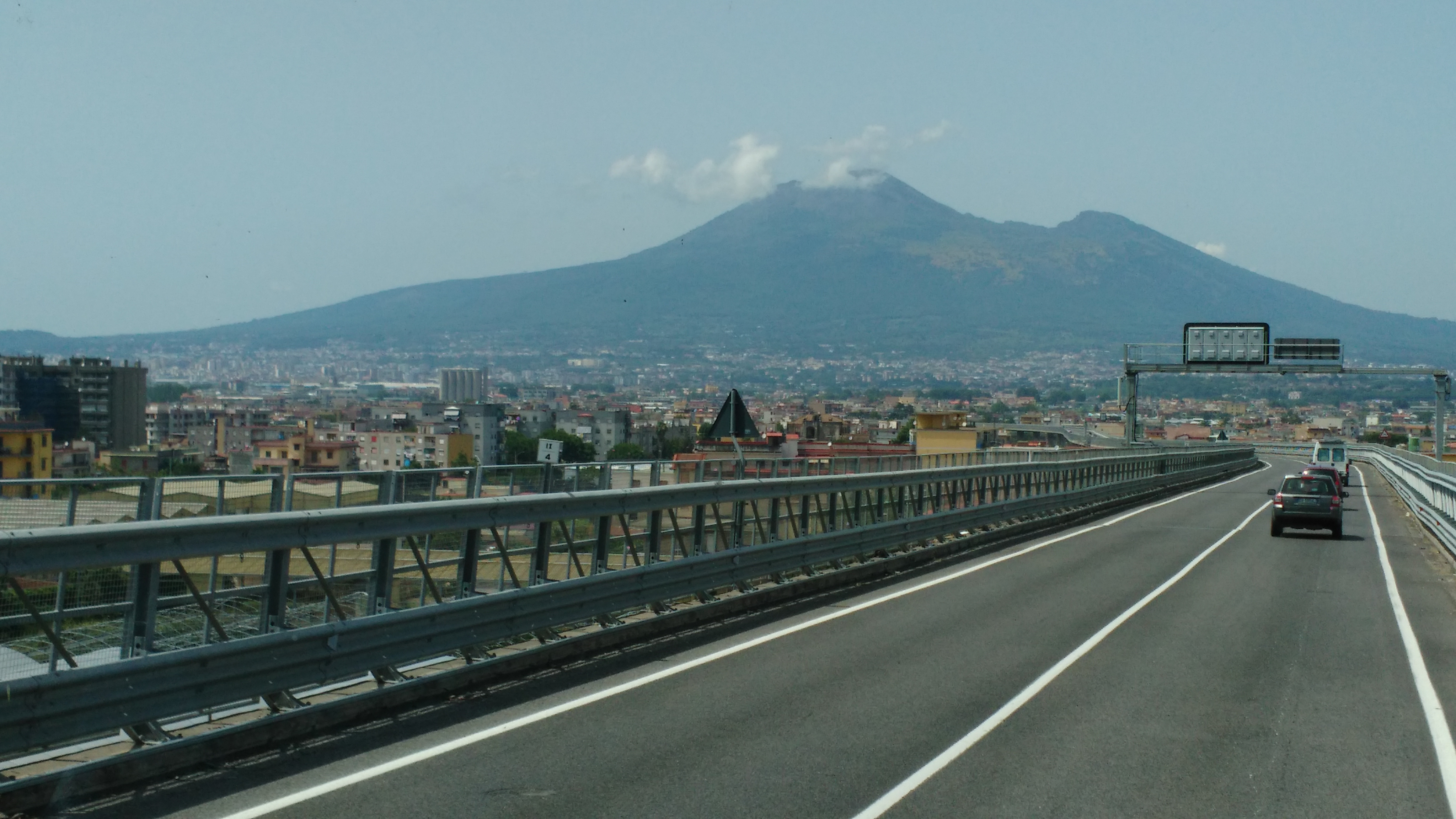
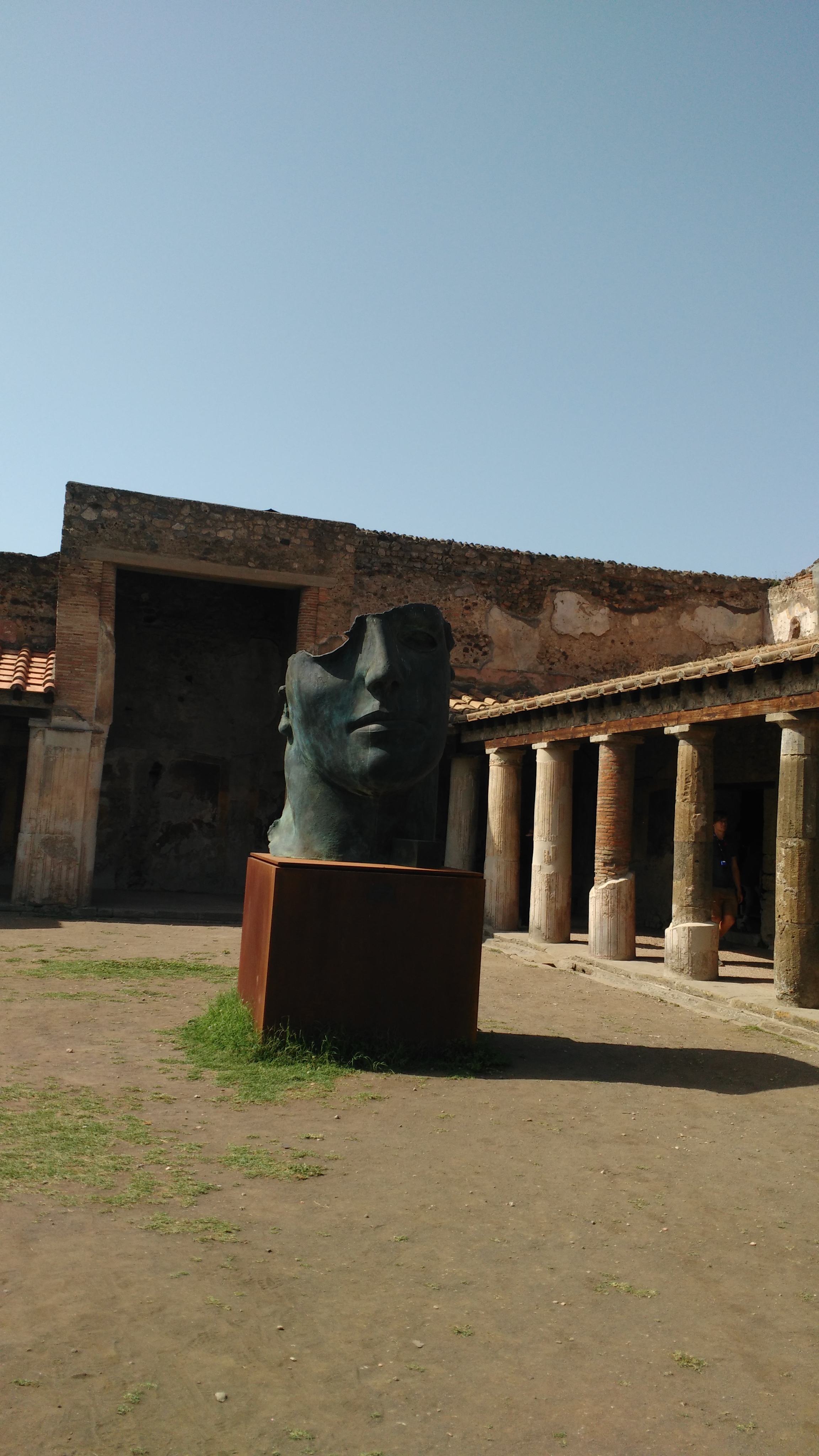
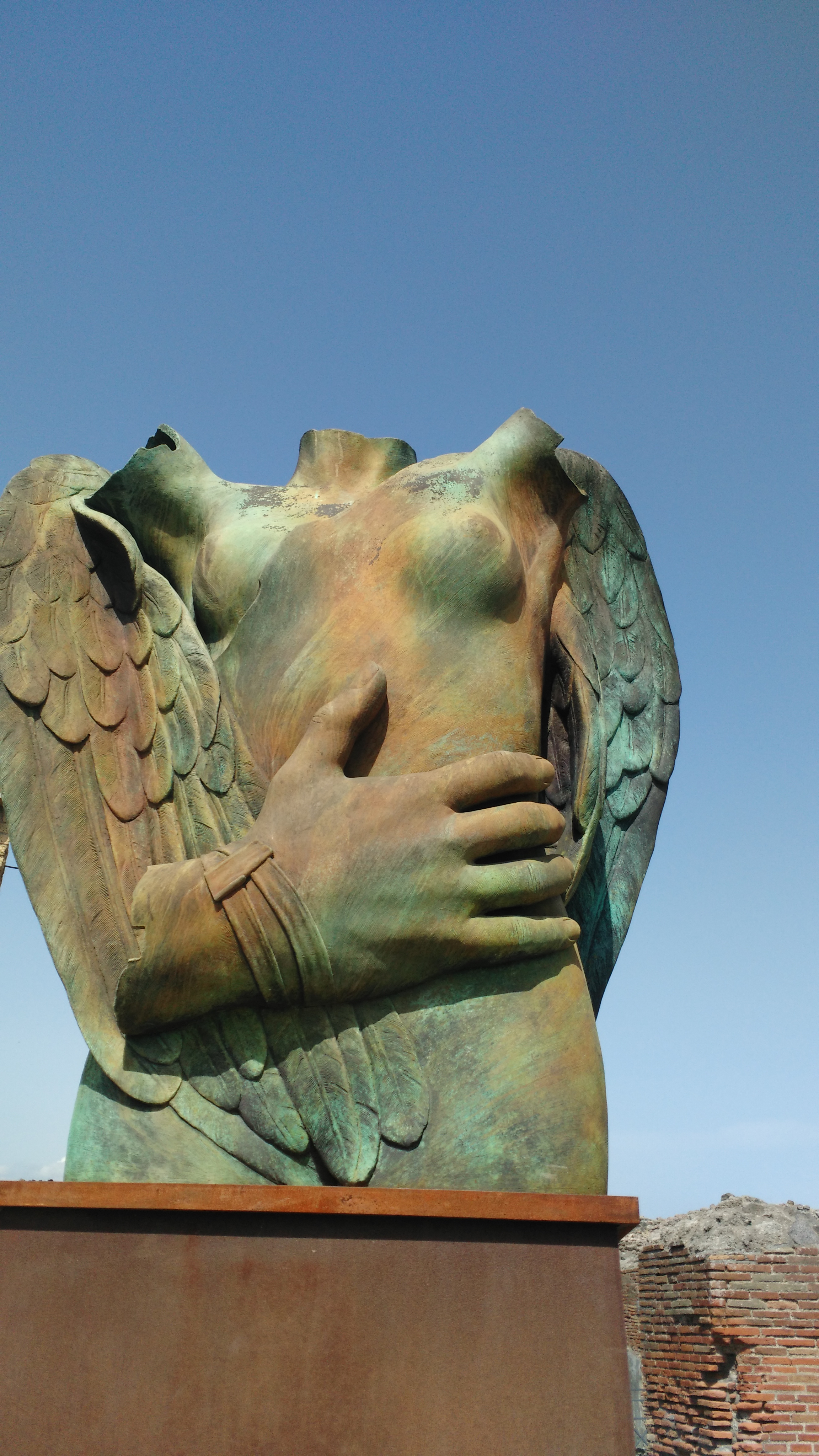
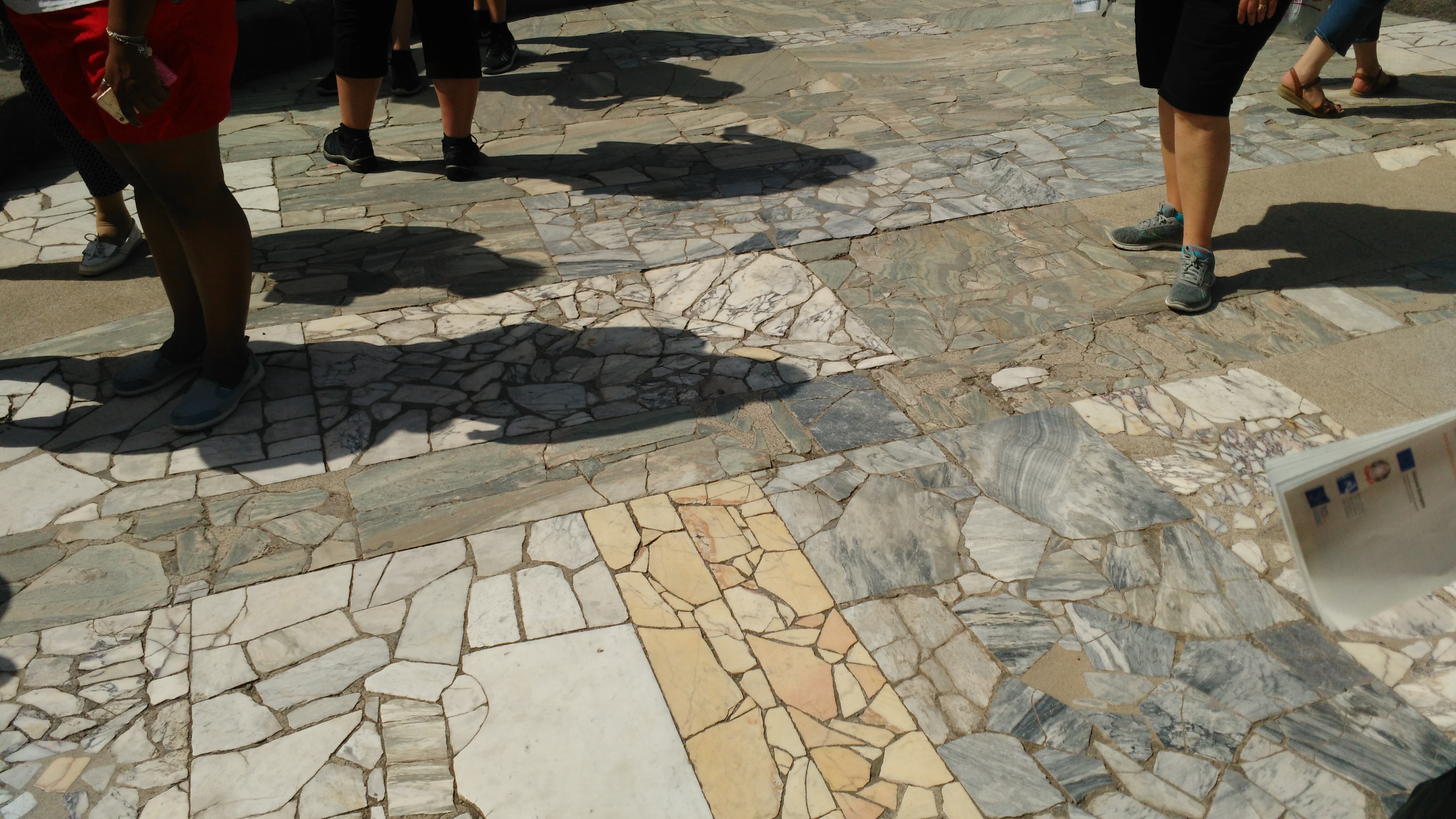
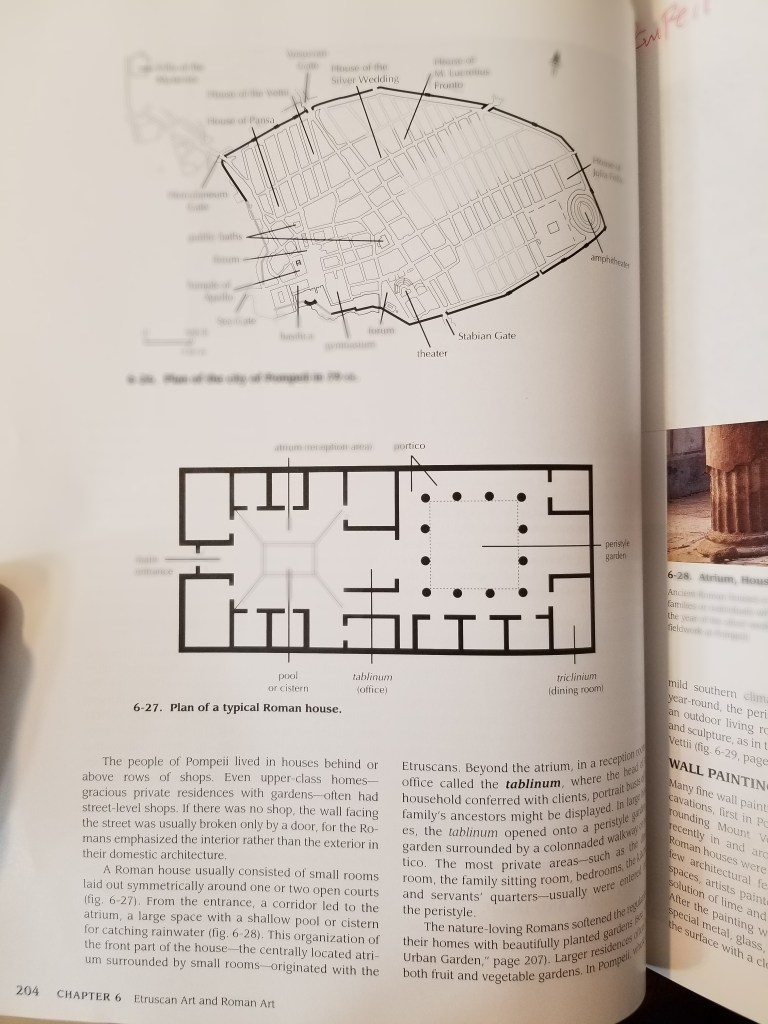
The city ruins were impressive. A sprawling state of disarray and chaos frozen in time and trampled by tourists. Certain parts were strictly off limits due to the fragility of the remaining art and structures while others were built to withstand a stampede. Everything I saw in documentaries and in my books was right in front of me. Mt. Vesuvius peeking from the background of every corner, former homes and businesses open and frozen in the moment of chaos displayed for the world to see, it all felt surreal. Seeing remnants of bronze statues strewn about and oxidized over the ages was as a memorable experience as any. Unfortunately the time spent here was limited as we needed to get back aboard the ship to the next port, Civitavecchia, the closest port to Rome.
Since Rome is landlocked, although not by much, we had to take a train from Civitavecchia to Rome. Half an hour from the port, we arrived a stone’s throw from the Vatican. So naturally this was the start of a 6 hour walk through the heart of Rome in 104 degree weather. Bring it.
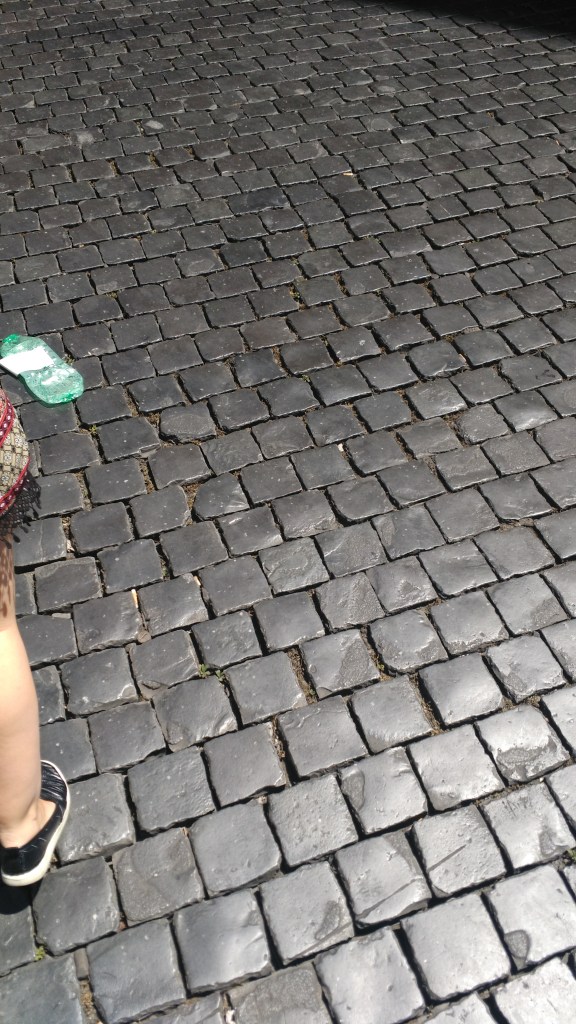
The whole city used stone pavers for roads and sidewalks that consisted of not really flat, square stones which were very uneven. Not a problem for cars, problem for achy feet and bad knees. Bonus points for being black marble, the dark color attracts more light and holds heat radiating it from the bottom. You’re trapped in a heat sandwich. We didn’t care.
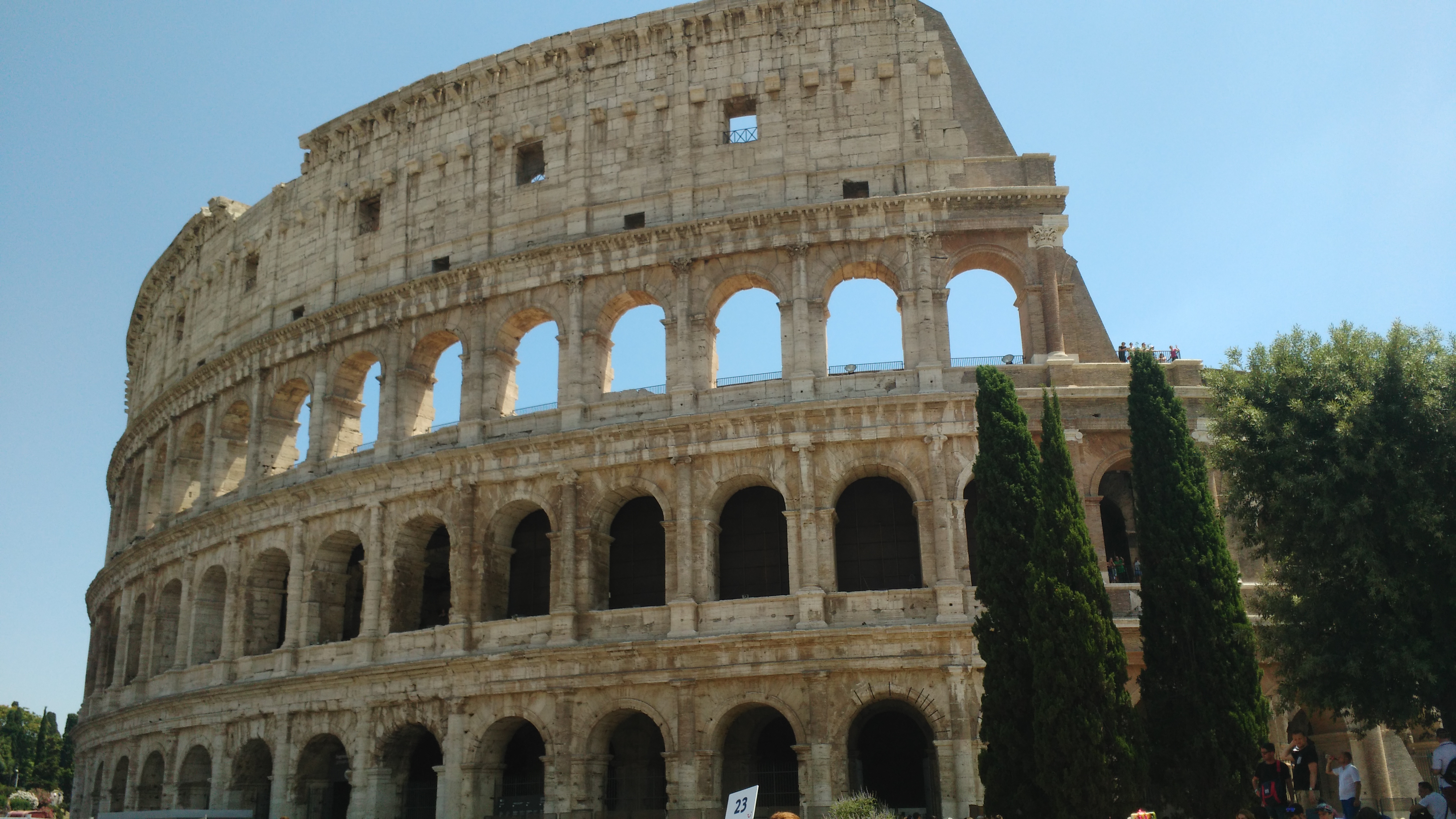

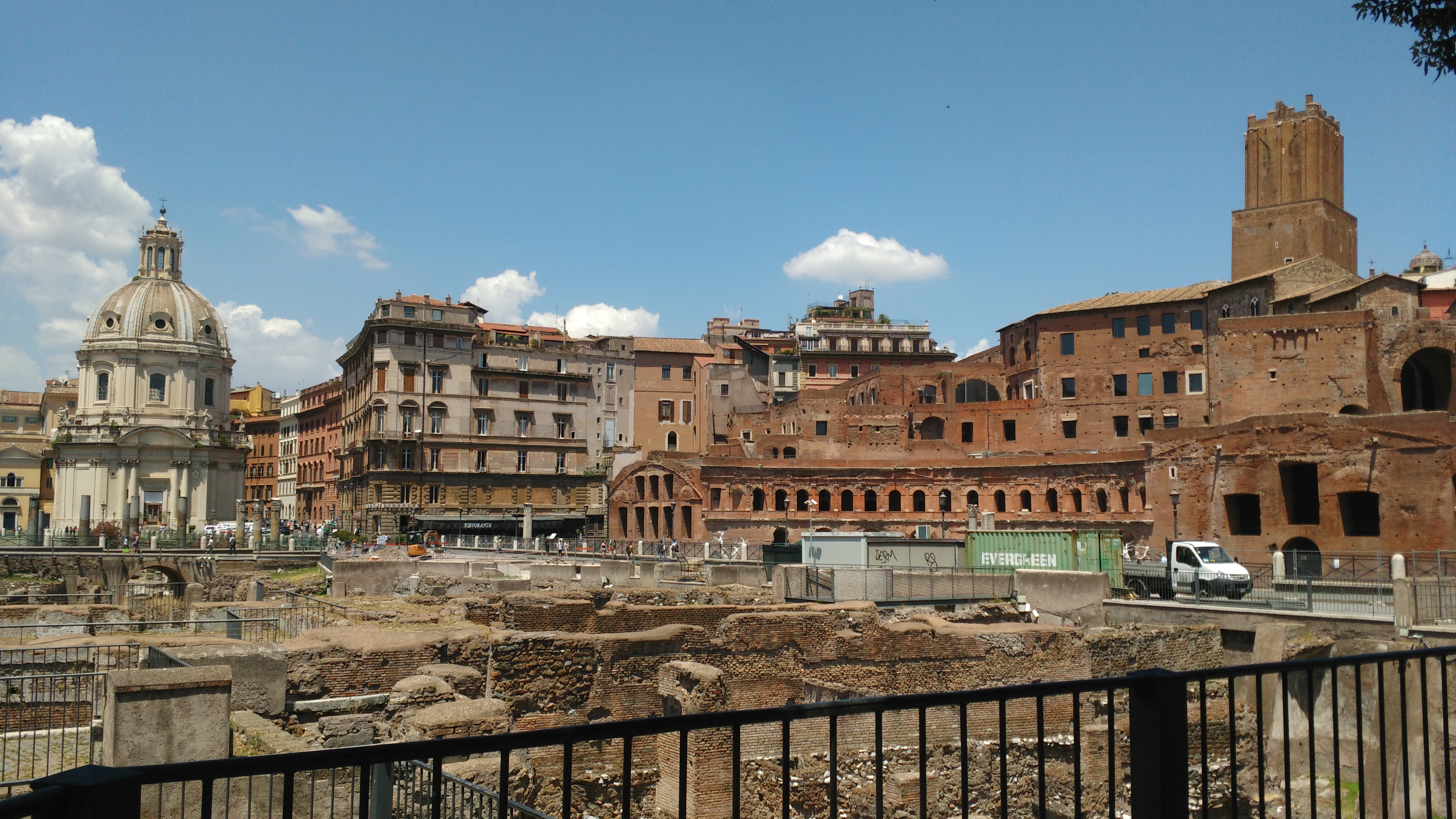
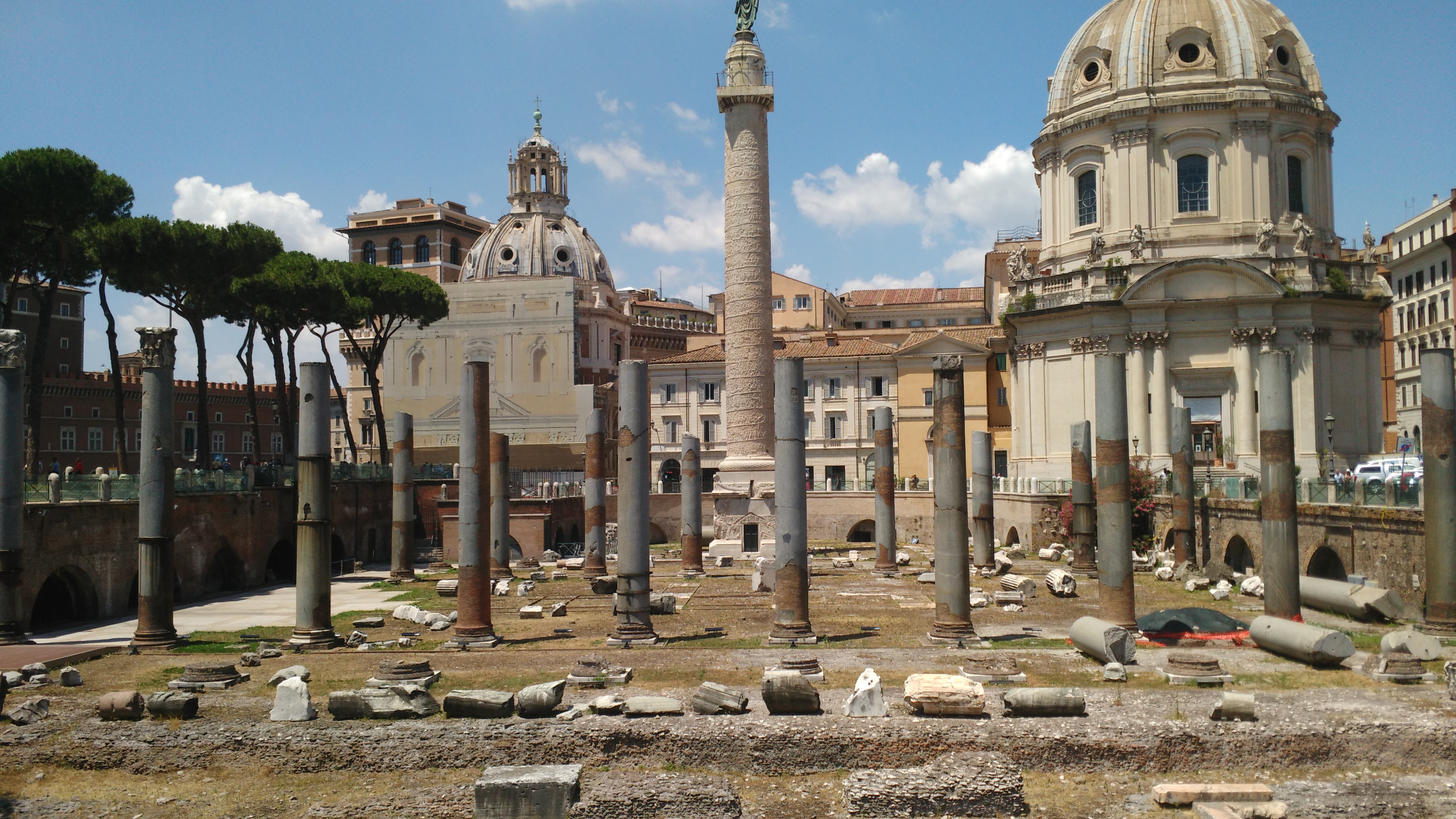
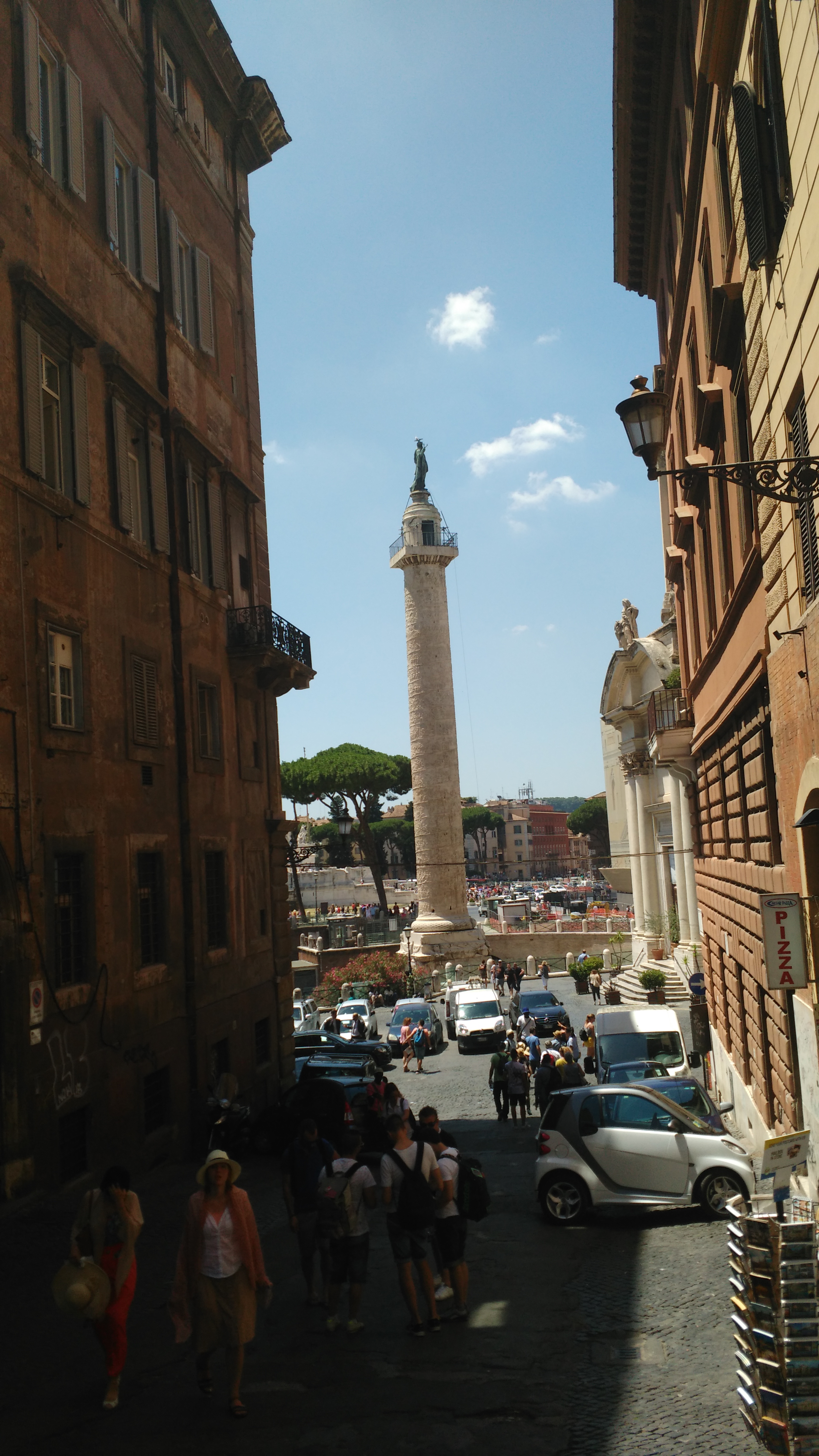

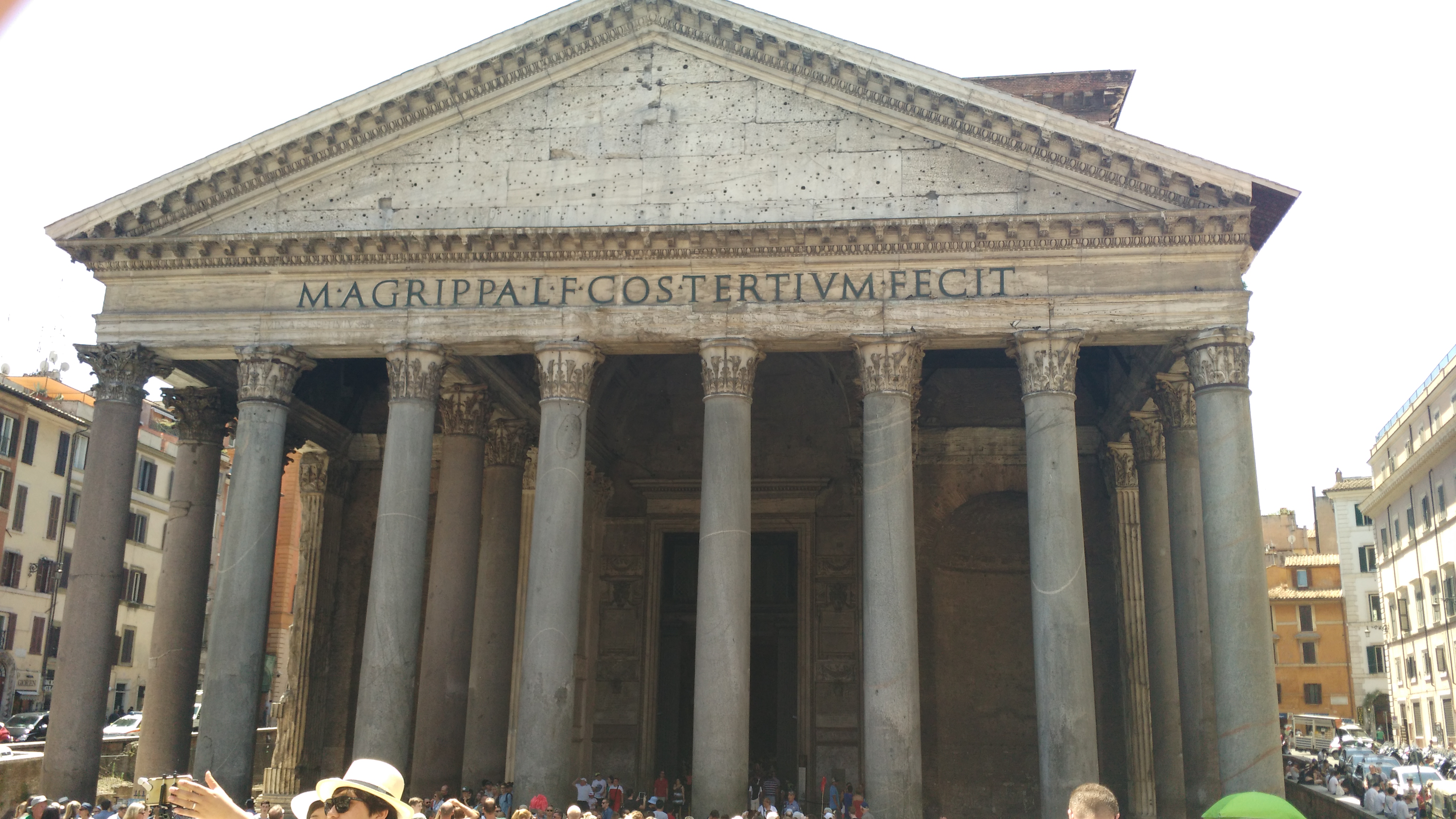
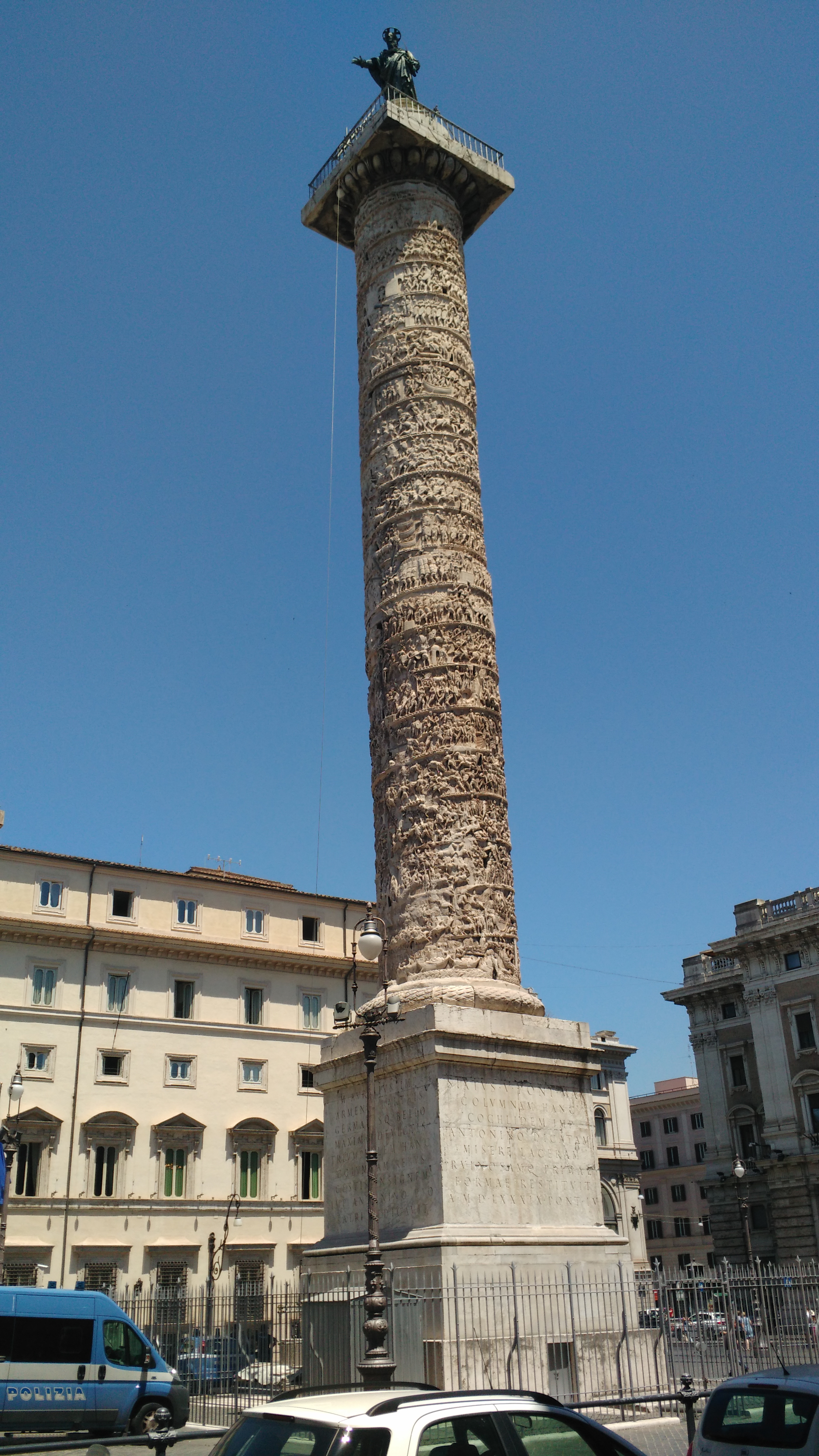

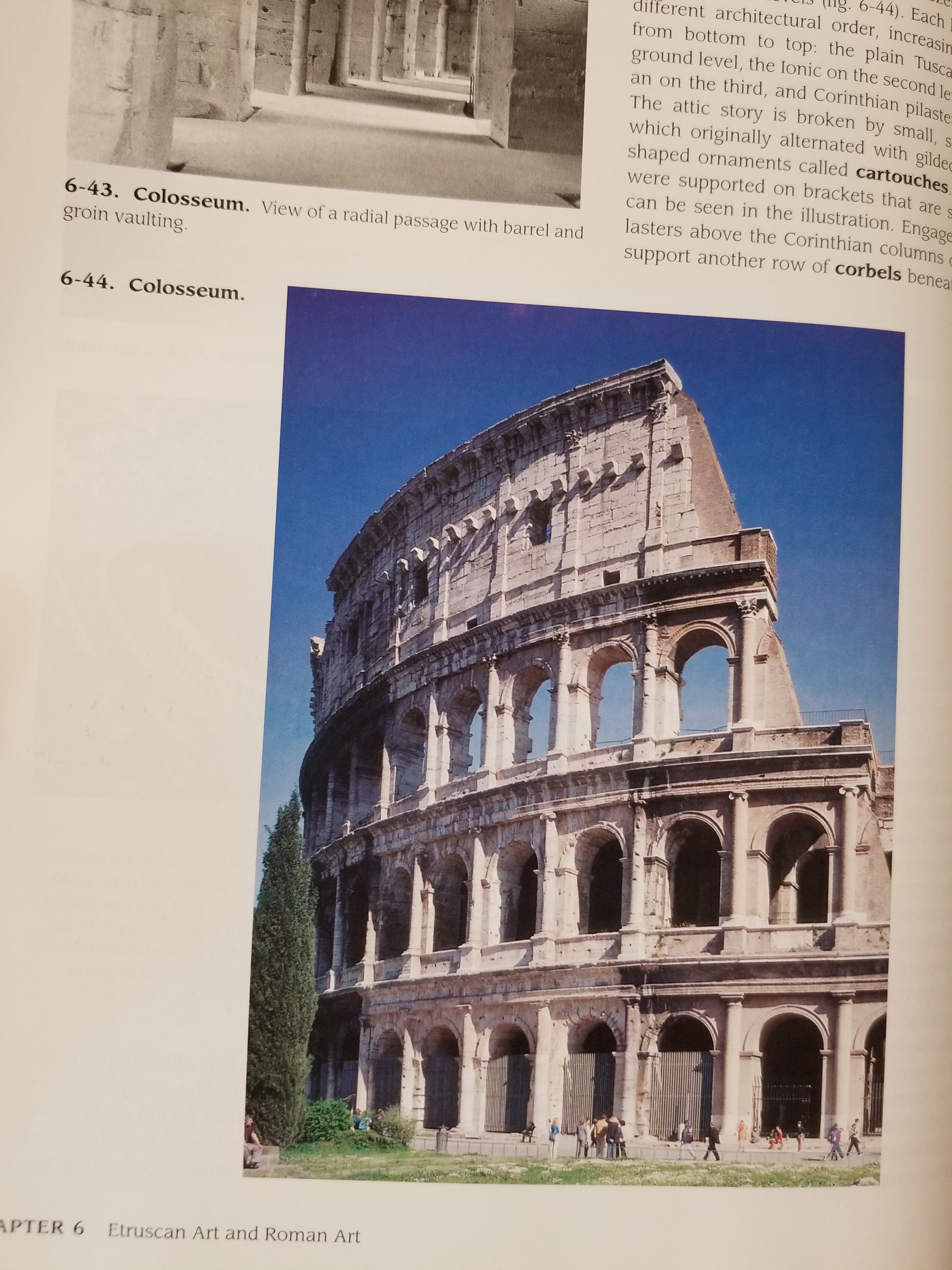
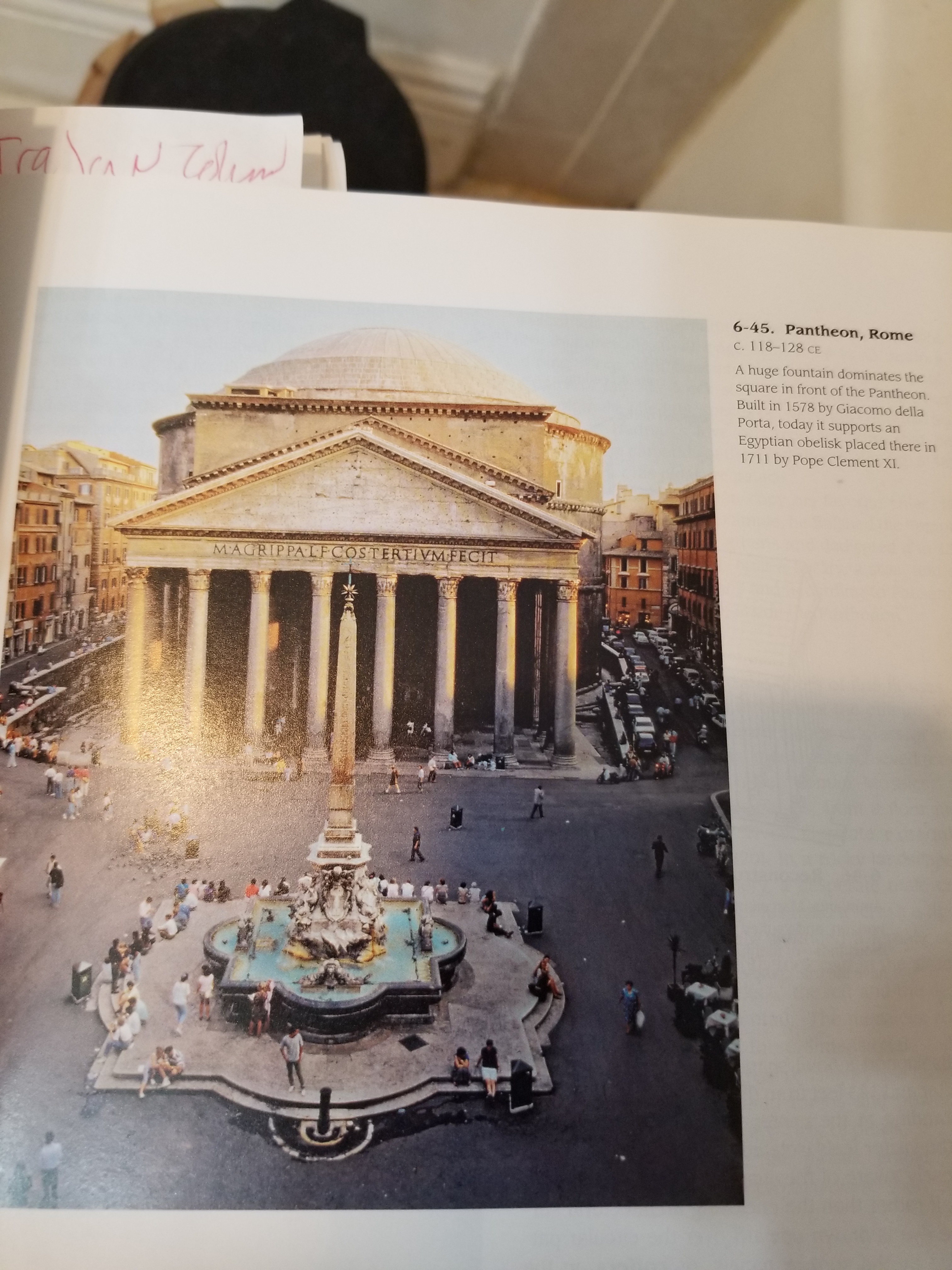
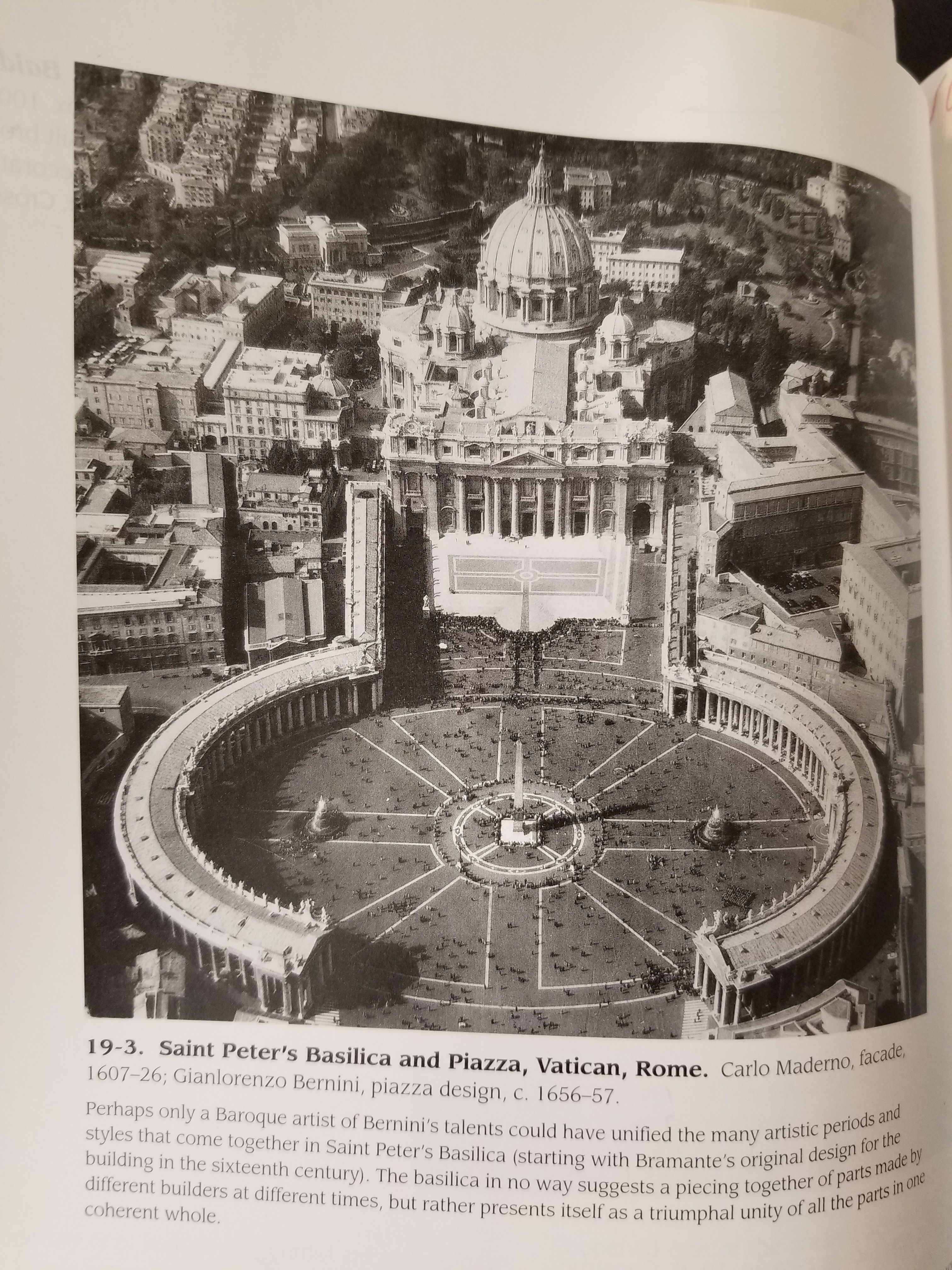
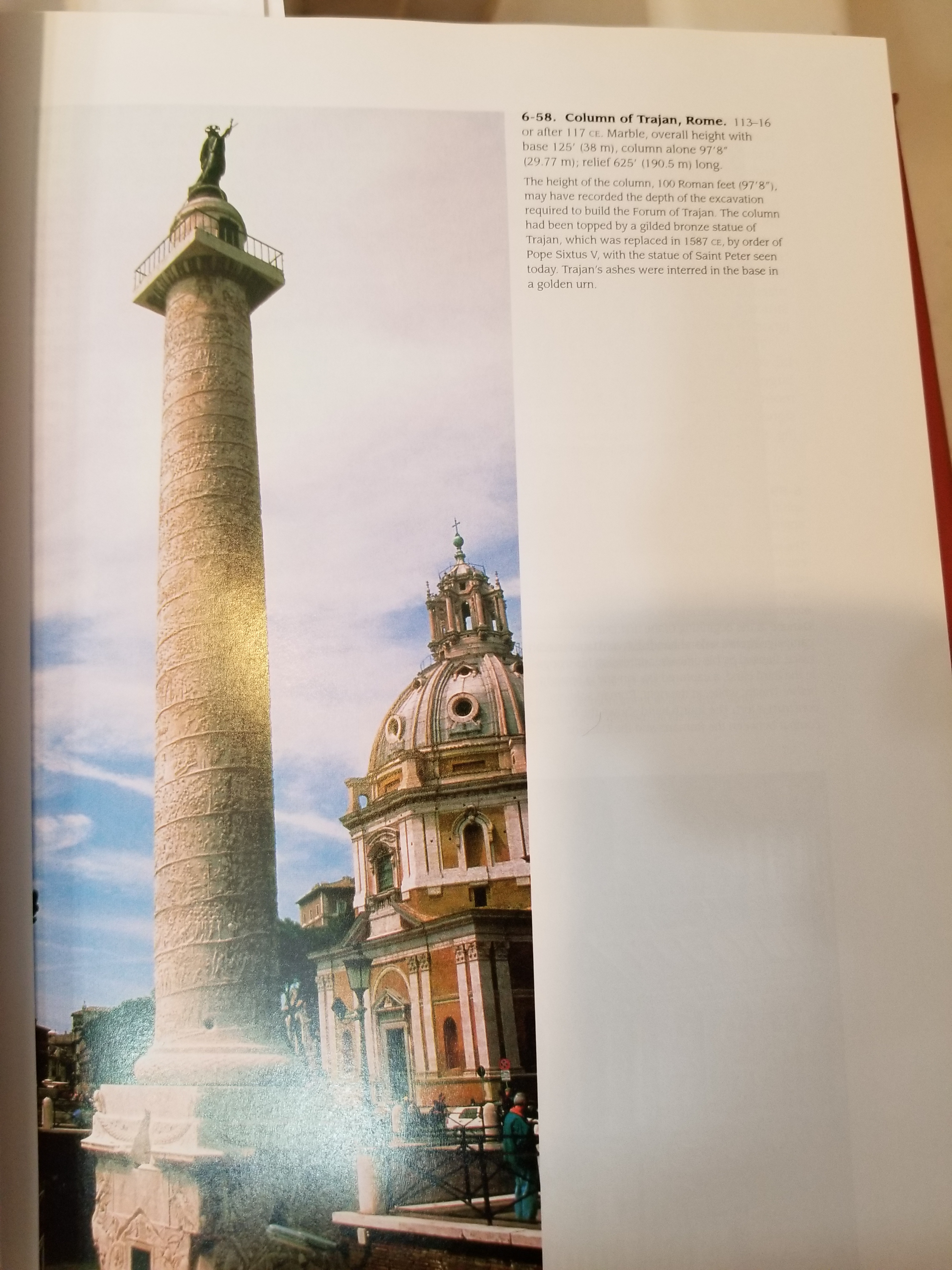
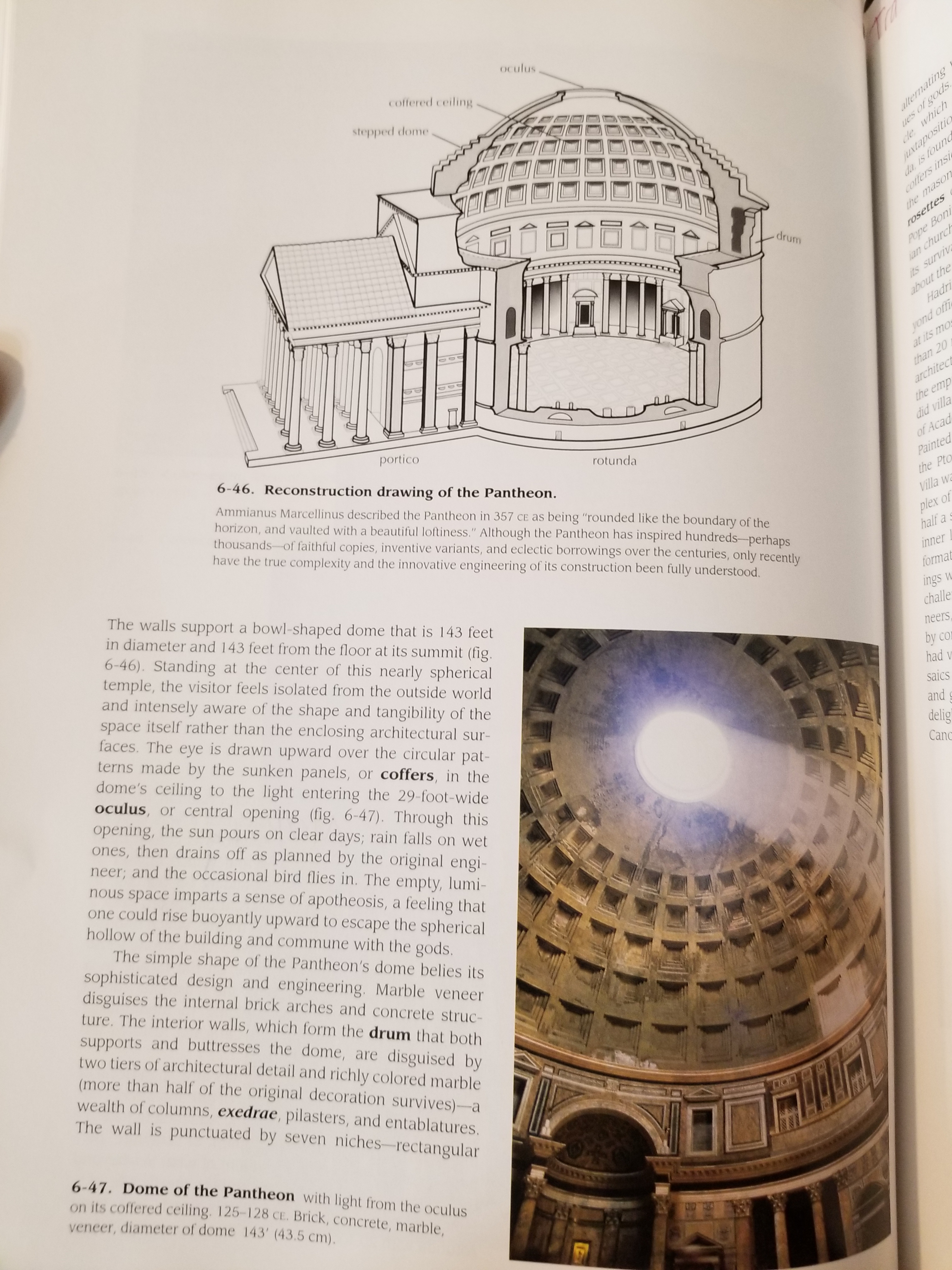
The Vatican, Trajan’s column, Trevy fountain, Trajan’s market, the Colosseum, the Pantheon; all something I’ve only read of. To see these things in real life was a deeply meaningful experience that made a connection to the history of art and culture. I experienced it so strongly because I’ve known their significance far before I ever saw them in person through documentaries and art history classes. We could have spent the entire day doing absolutely everything but this was not that kind of trip. With sore feet and feeling overheated, we boarded a public transit bus back to the train station for the half hour train ride back to port. Next stop, Livorno.
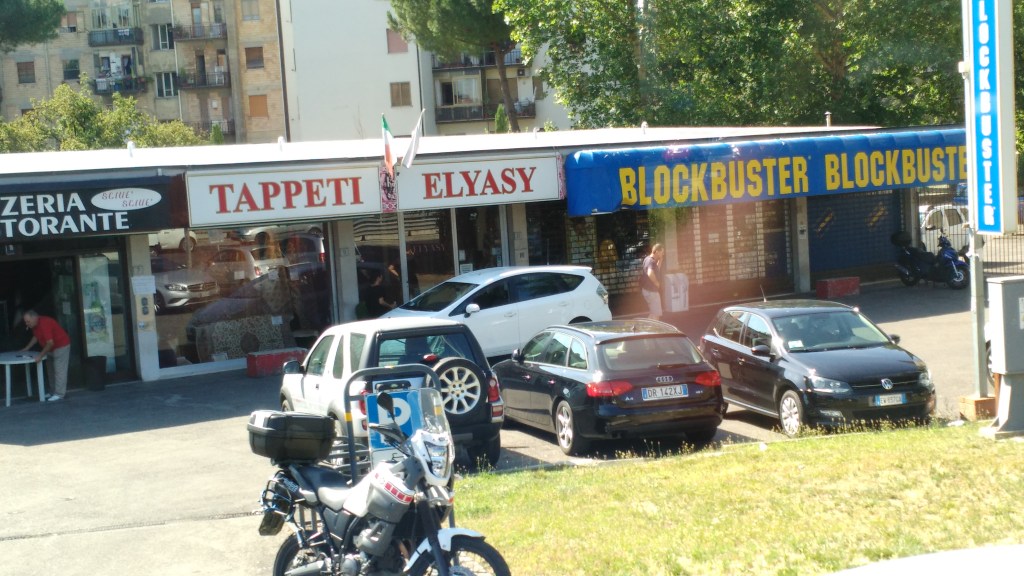
Florence and Pisa were on tap for the last day along the Italian coast. We had to take a one hour bus ride from the port through the countryside to Florence proper. The Tuscan countryside was dotted with old houses sitting among sweeping hills in various States of disrepair, probably due to how old they were. Each passing minute getting closer to the home of Michaelangelo’s David. Along the way we passed smaller towns and had a chance to see local businesses and daily life for the people who lived there. We even saw a relic en route to Florence.
After much anticipation, we arrived at the drop off point in Florence and started our walk through the streets of this old city along the Amo river.
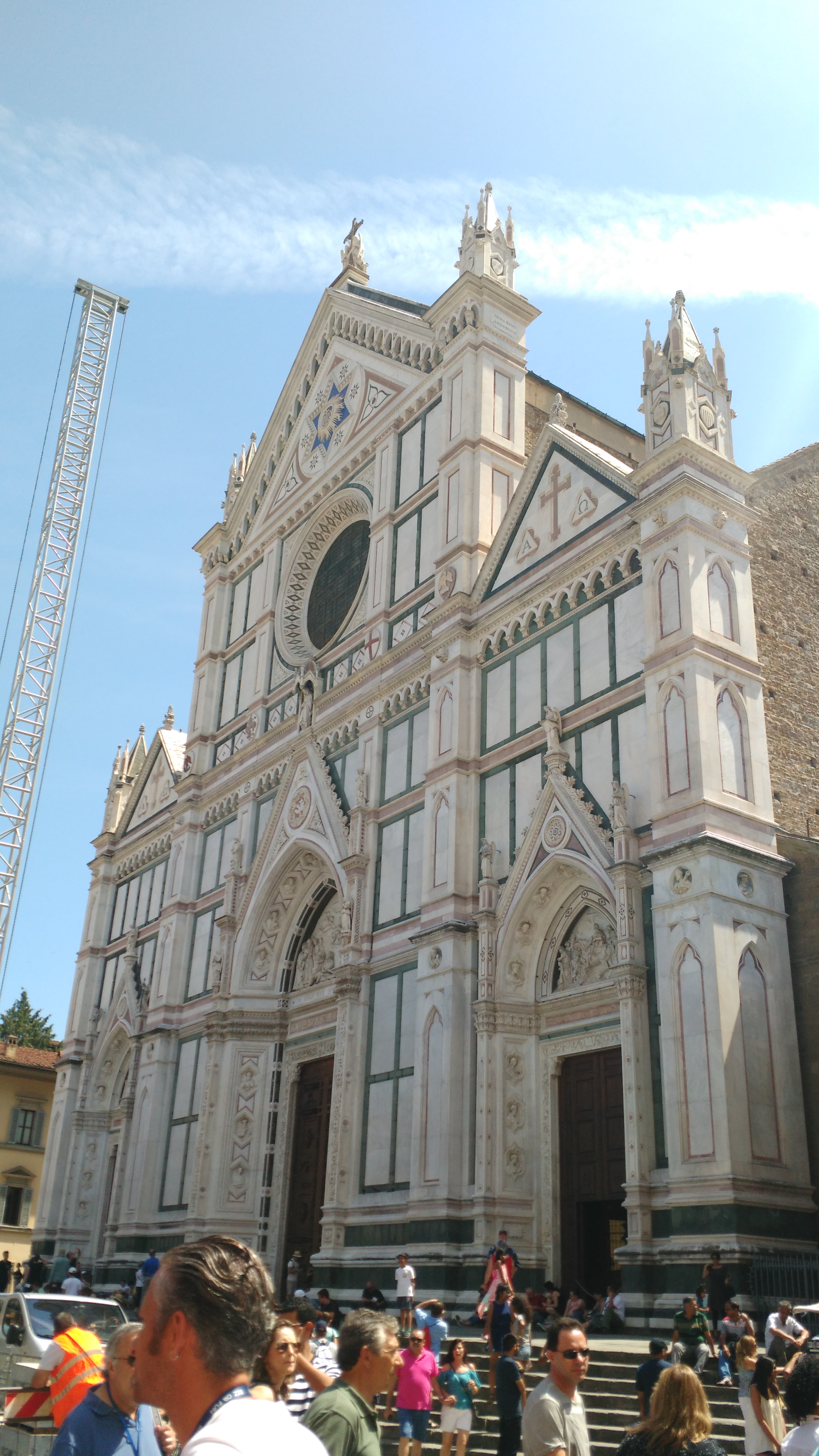
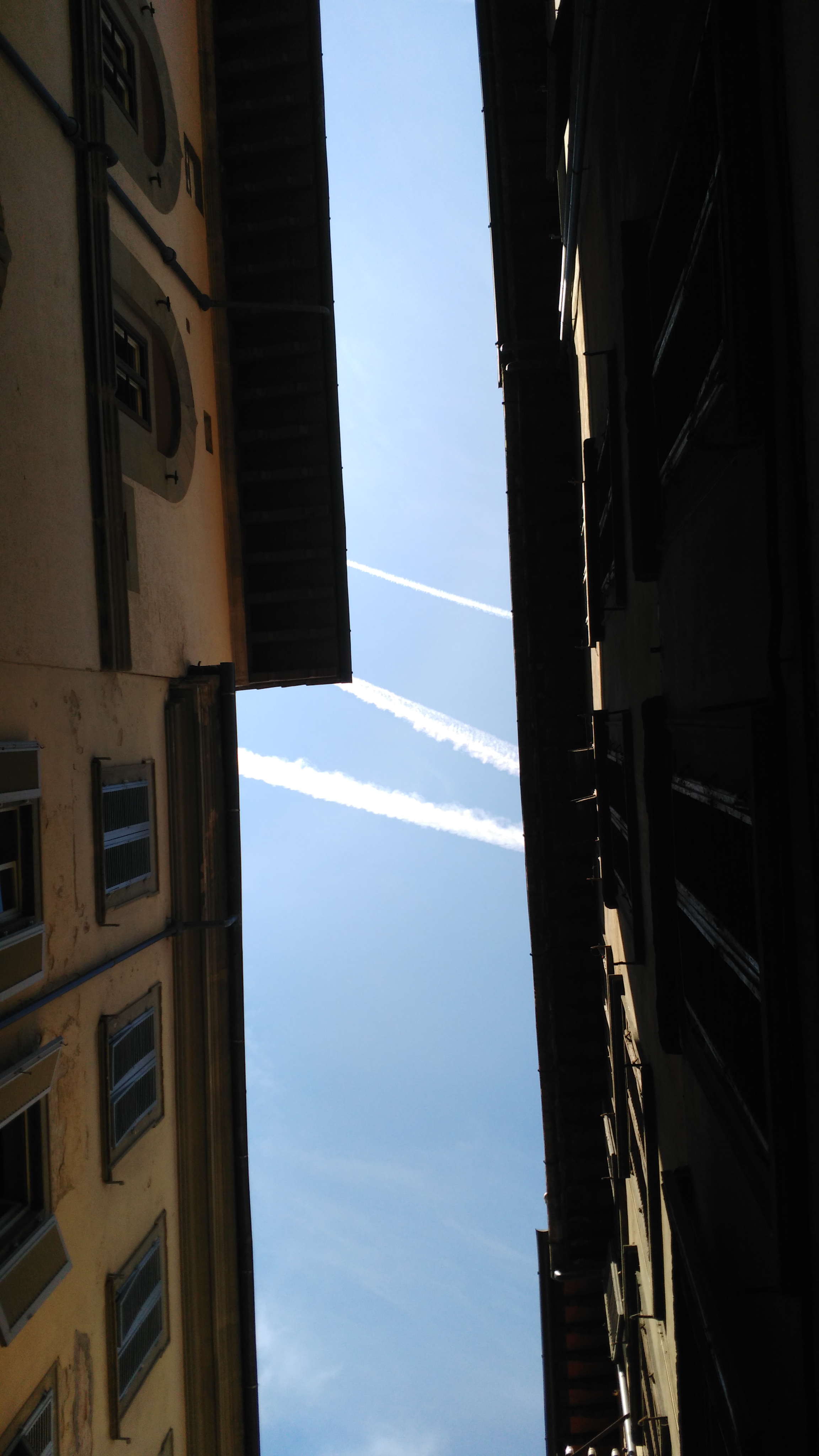
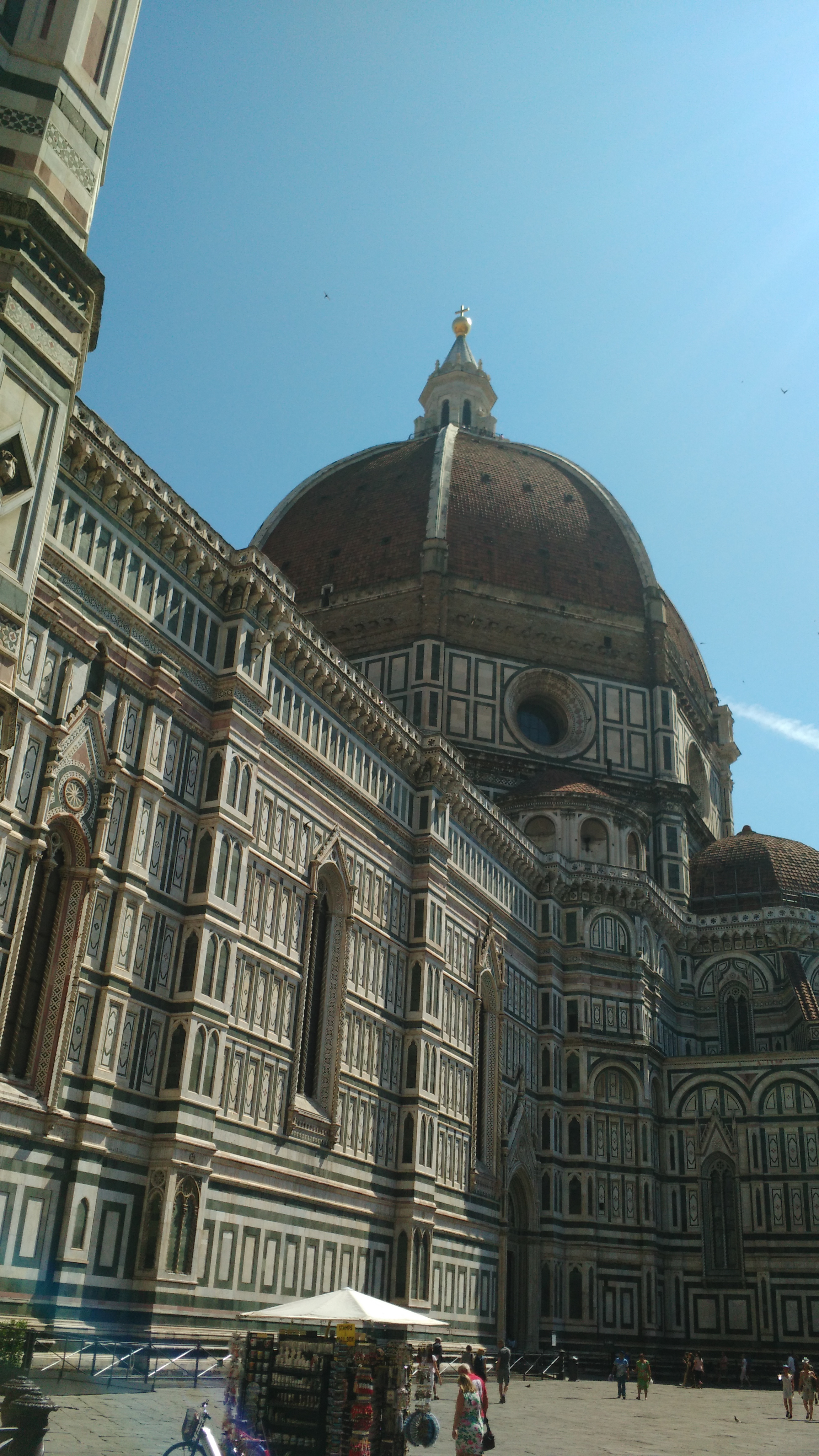


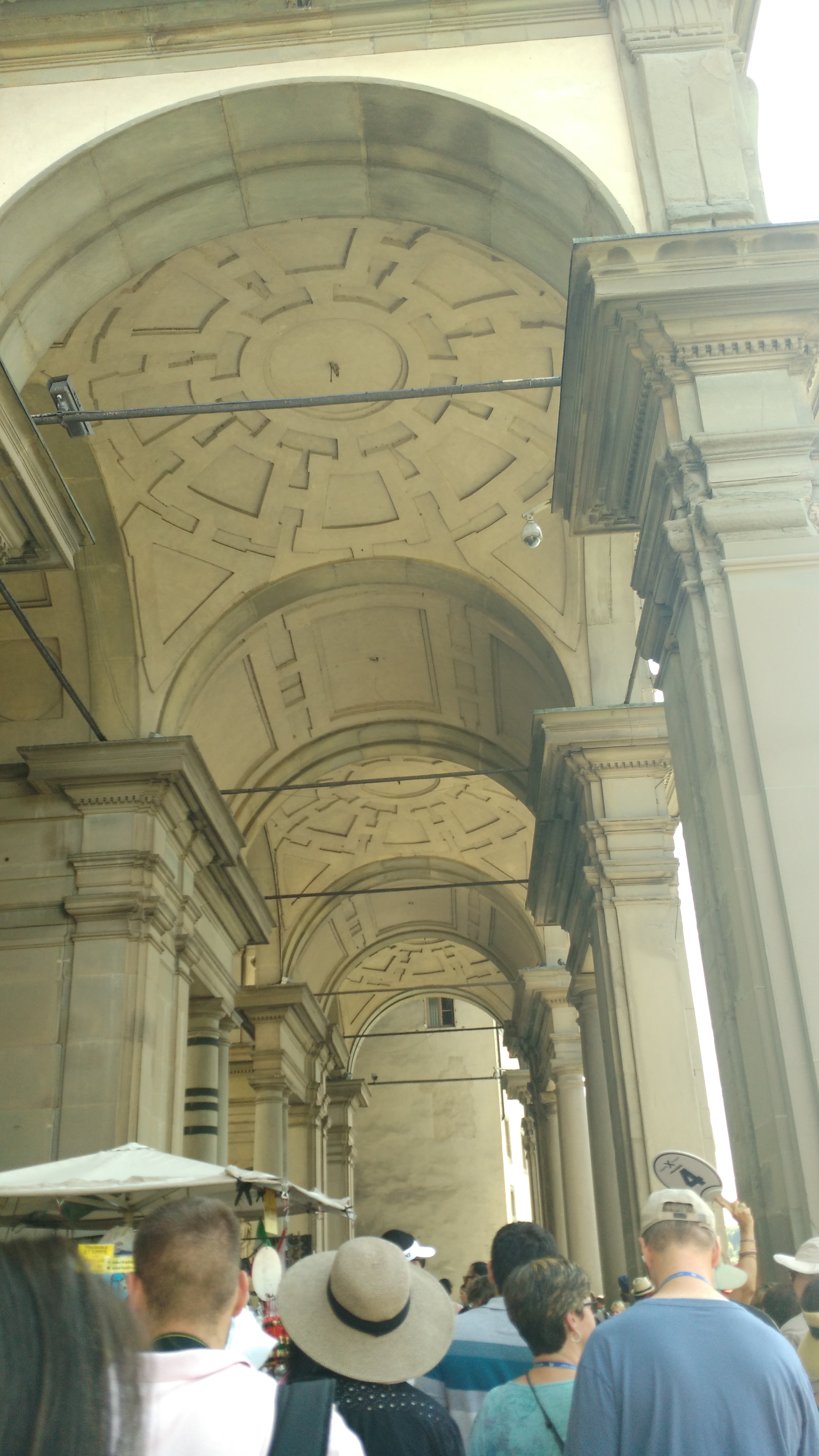
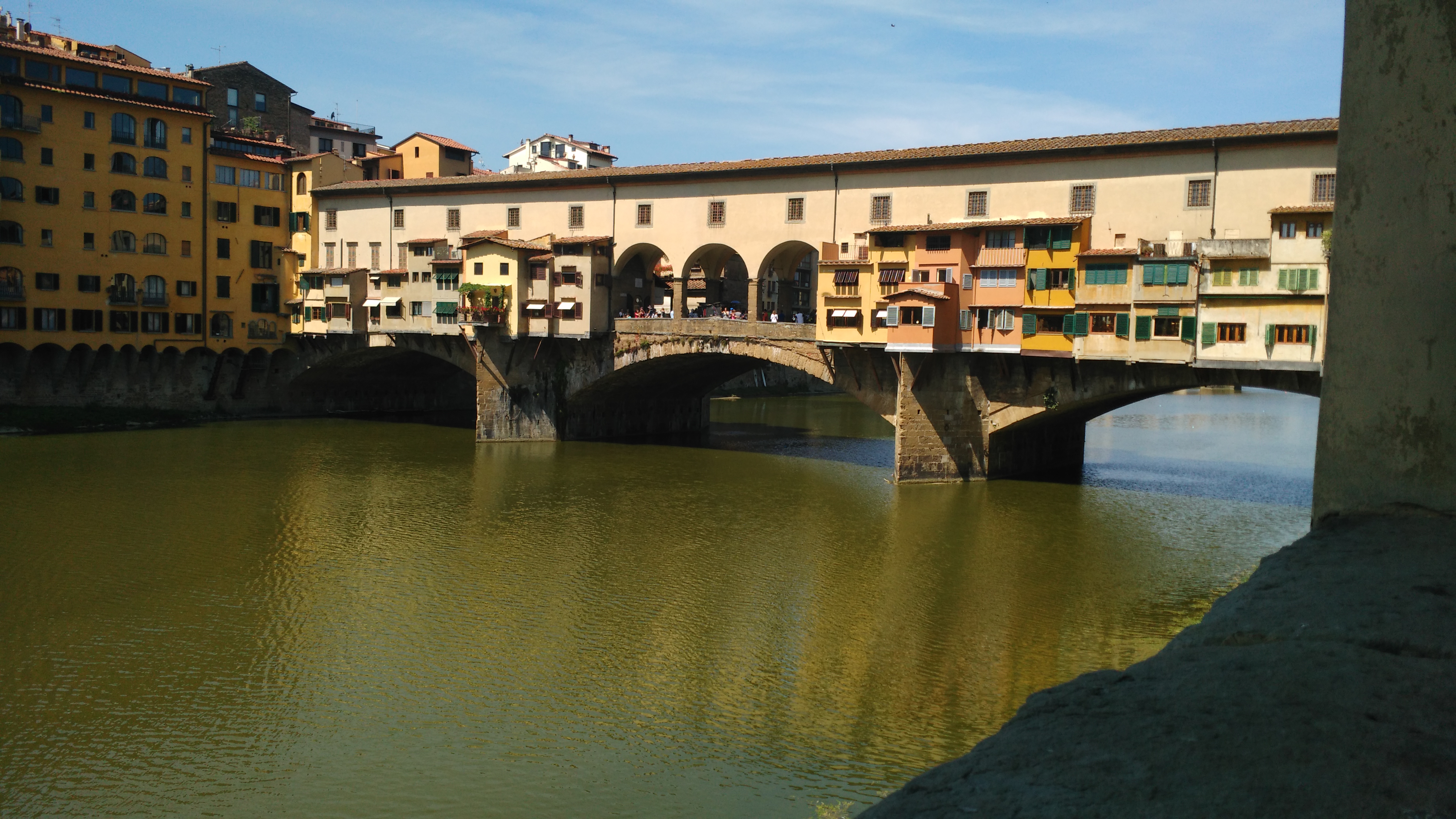
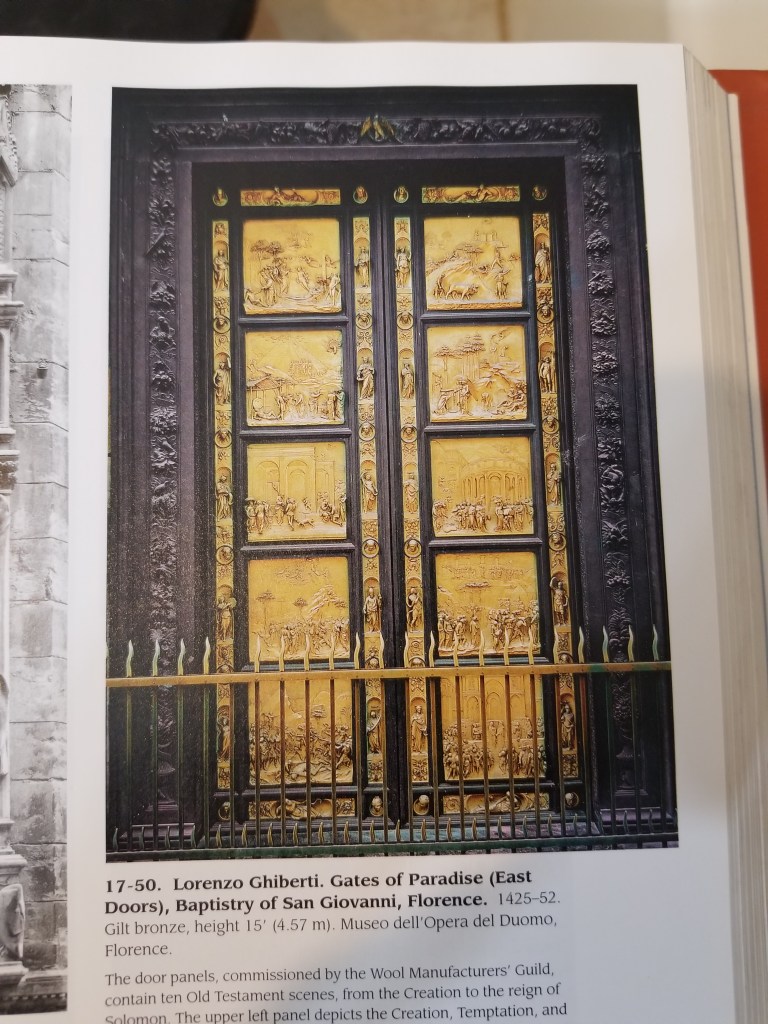
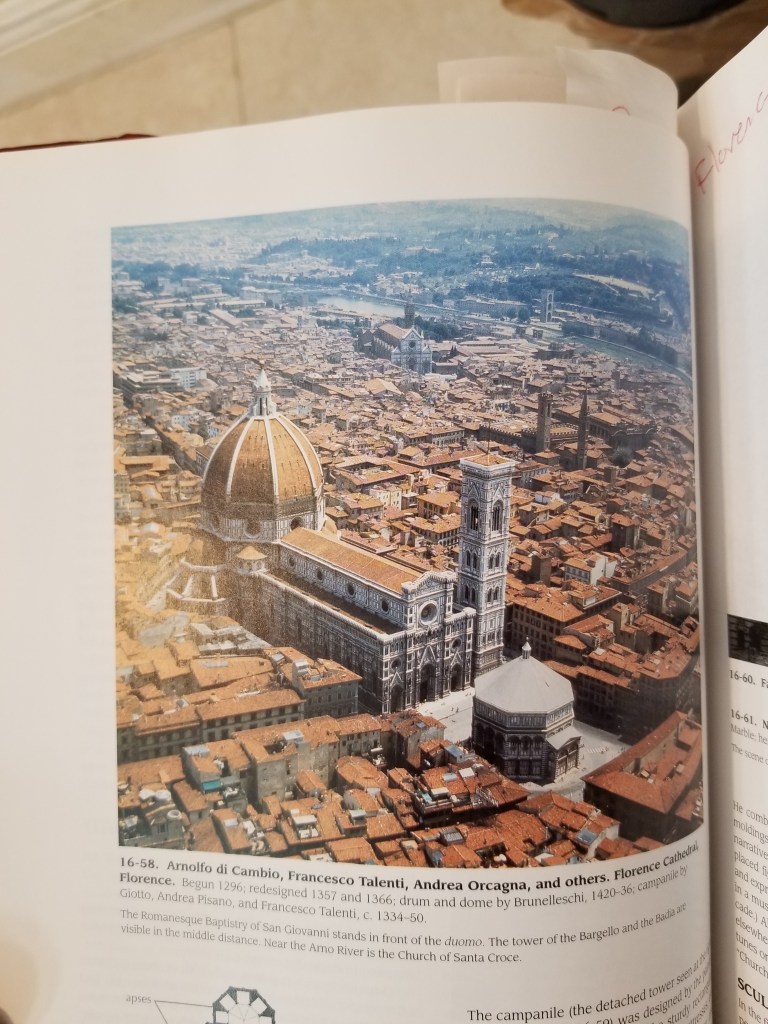
Walking through the heart of Florence was surreal, like going back in time, except without the waste buckets being emptied out of windows. The Gates of Paradise were something we studied in depth. Seeing it in person was a moving experience, even with all the people surrounding it. I doubt very few people who took pictures in front of it truly understood the story behind it and the stories it’s meant to tell. I won’t get into what each panel portrays, you’ll have to look it up yourself if you’re in interested.
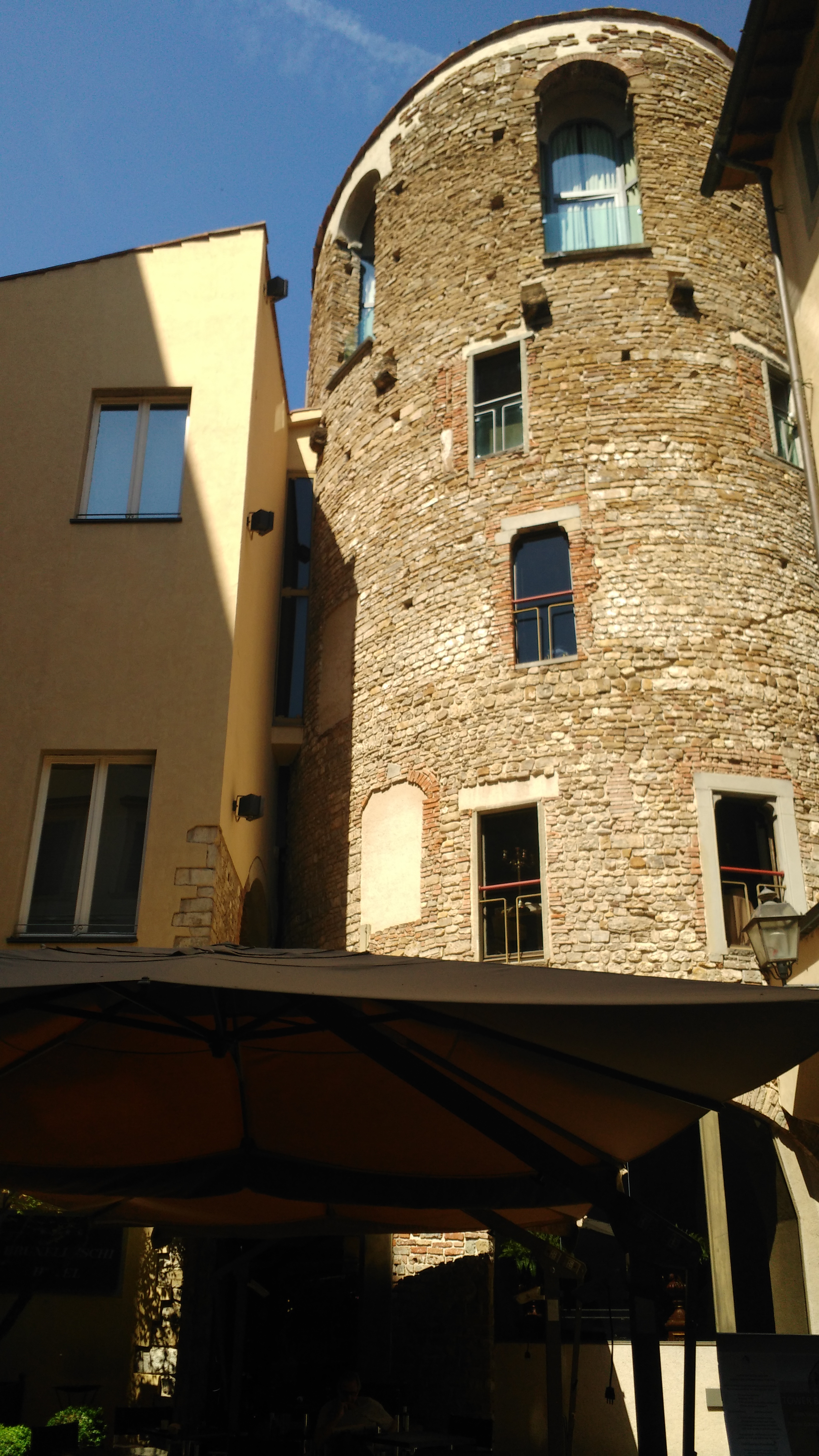
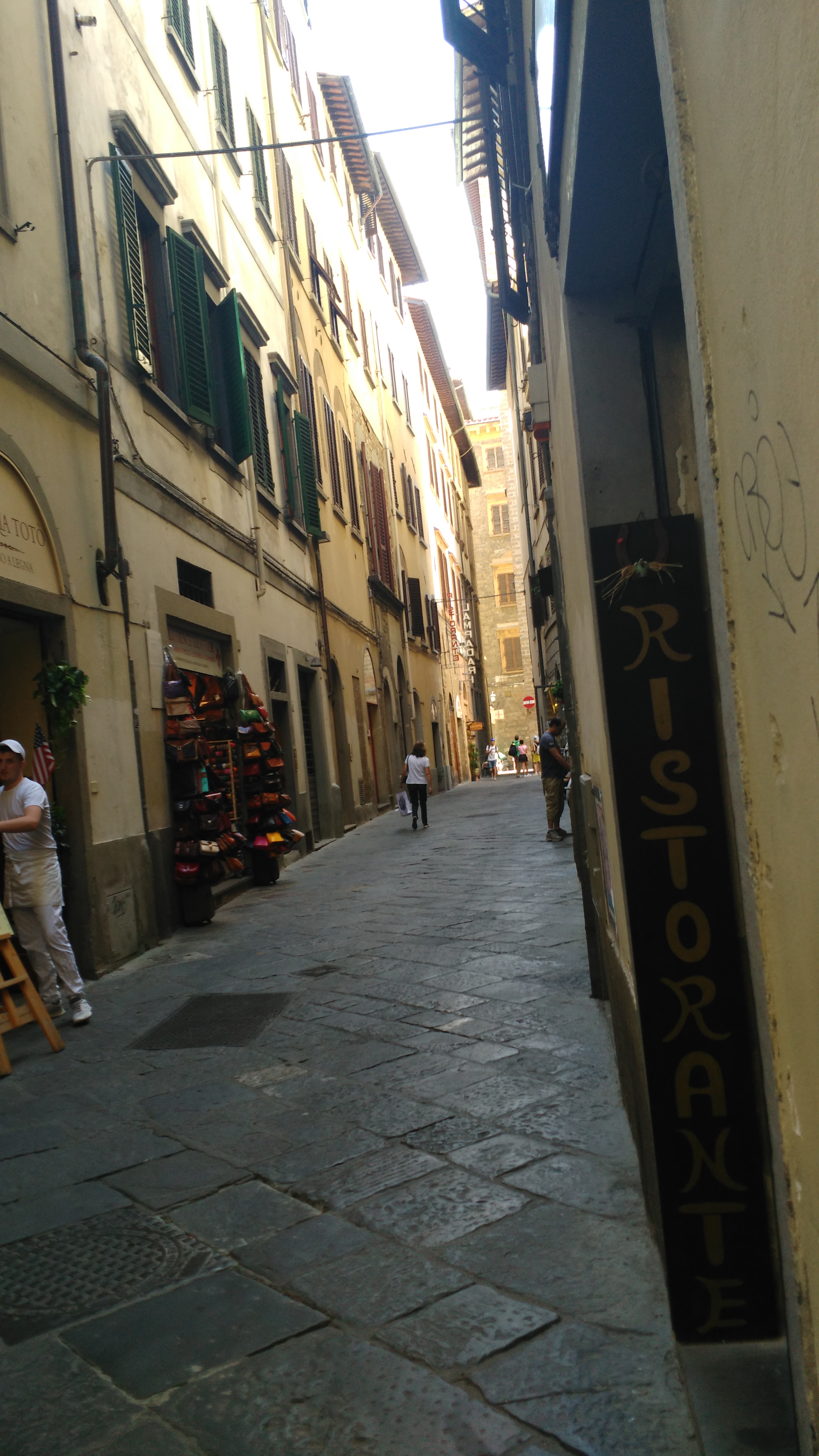
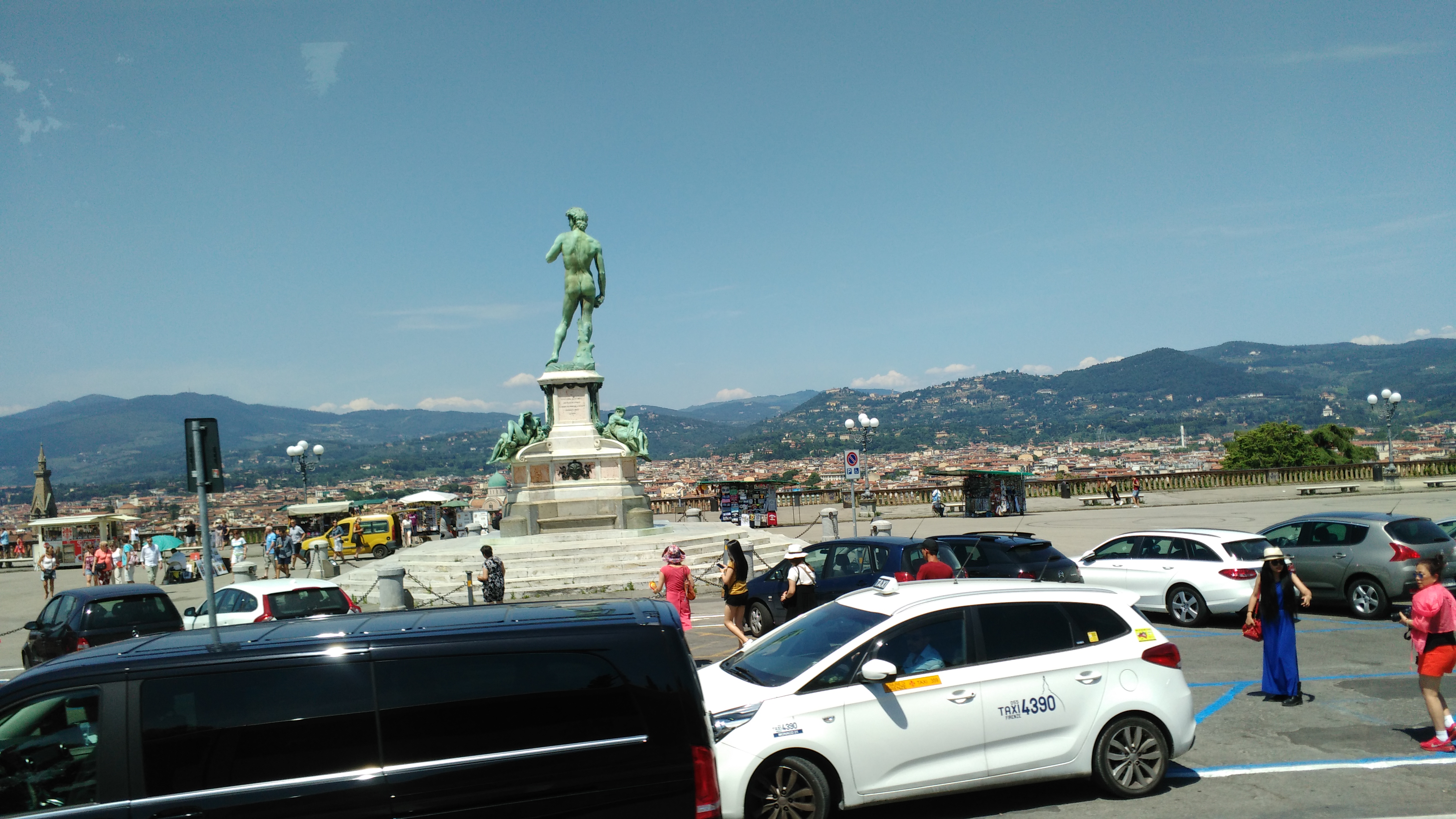
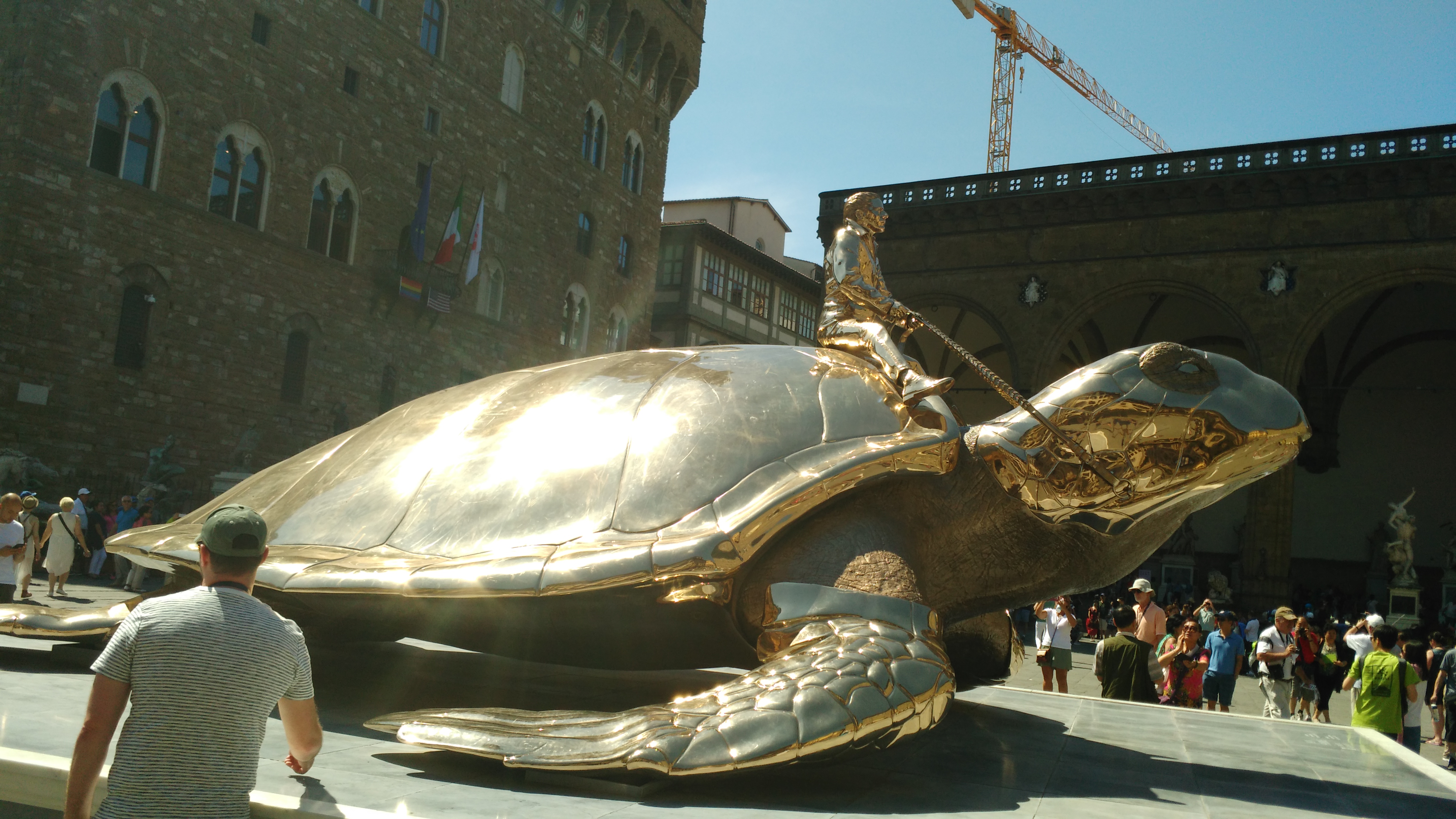
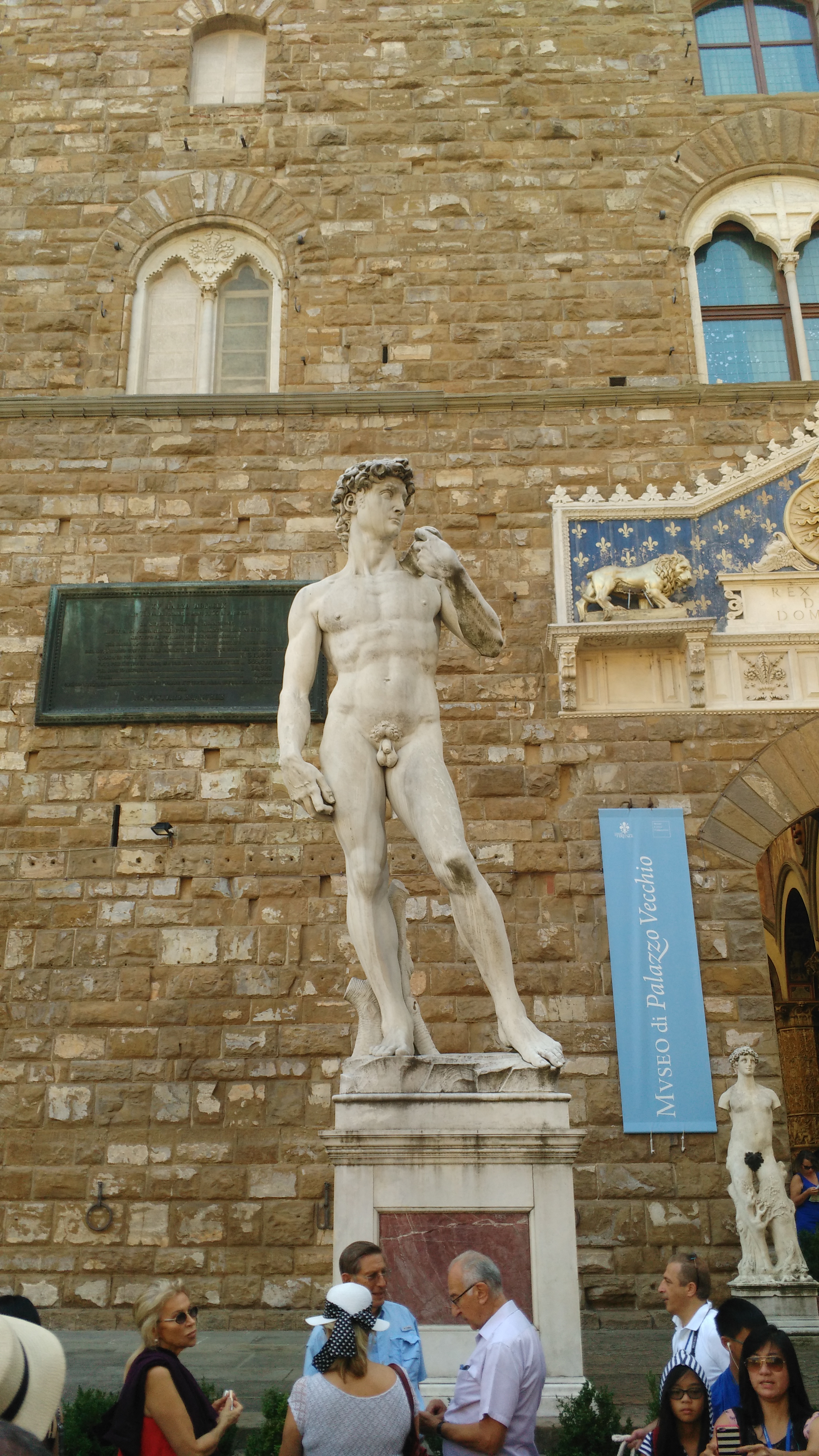
Intricate decoration and sculpture were everywhere. This Tuscan city carried itself as an outdoor museum showcasing public art over centuries. The center of wealth in northern Italy, Florence hosts a large jewelry market and very intricate gold craftspeople throughout the city.
A quick bus ride took us to Pisa where we were met by hoards of street vendors pushing hard for a sale. Hundreds people swarmed the small walled town and many tourist traps were seen surrounding the town. Despite the crowd and all the commotion. It was still easy to appreciate the experience of being a stones throw from the Leaning tower.
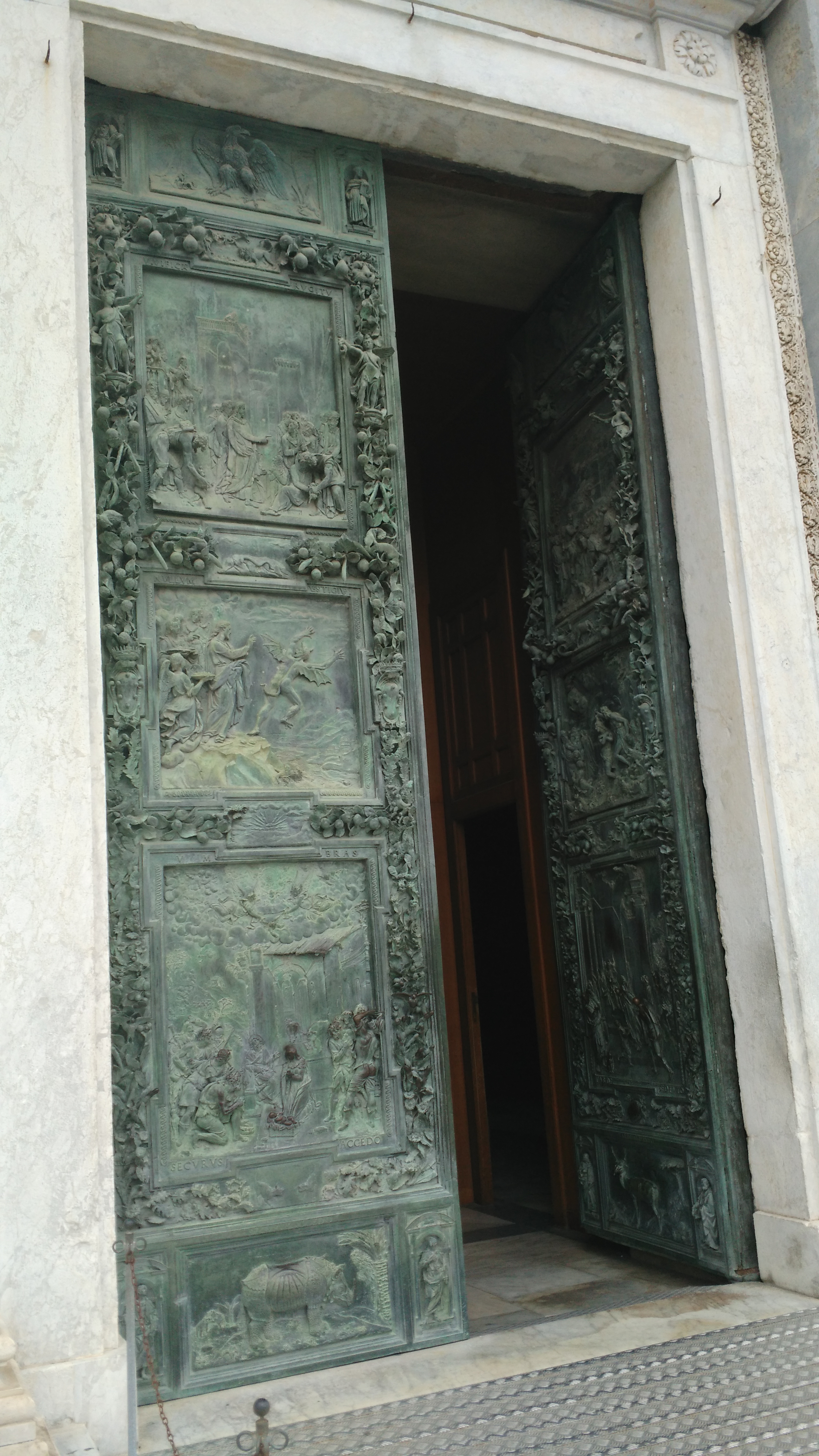
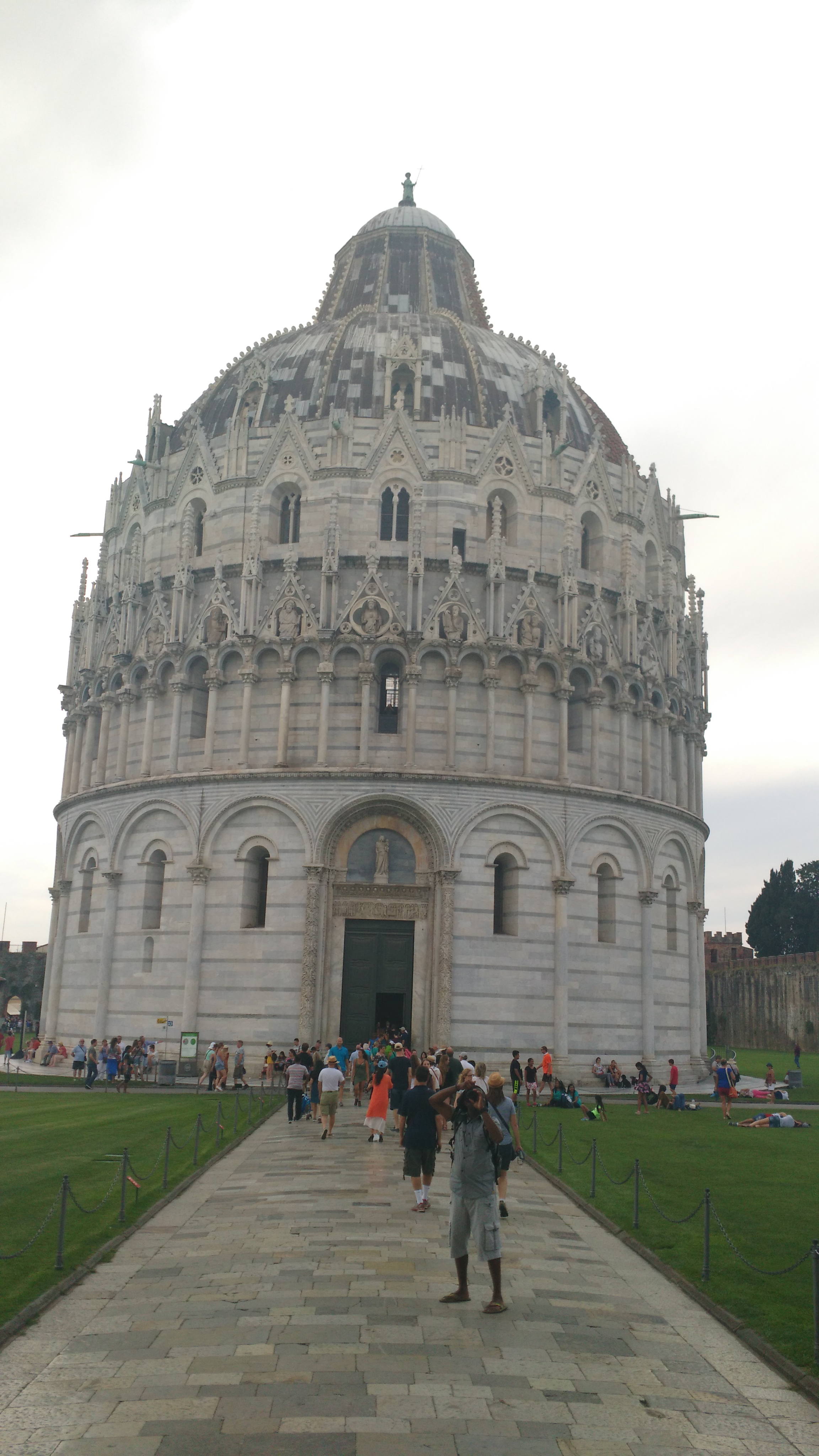
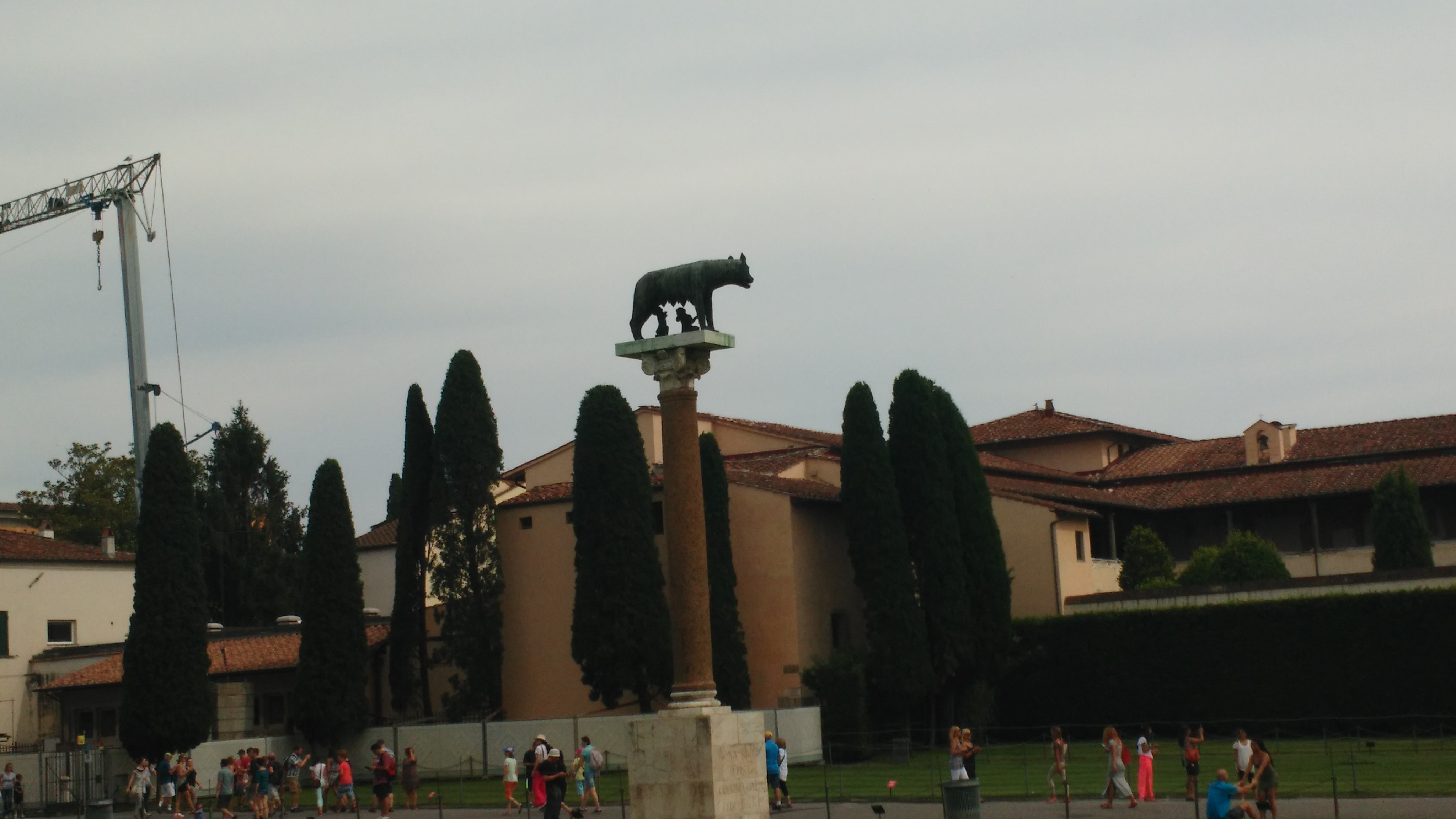
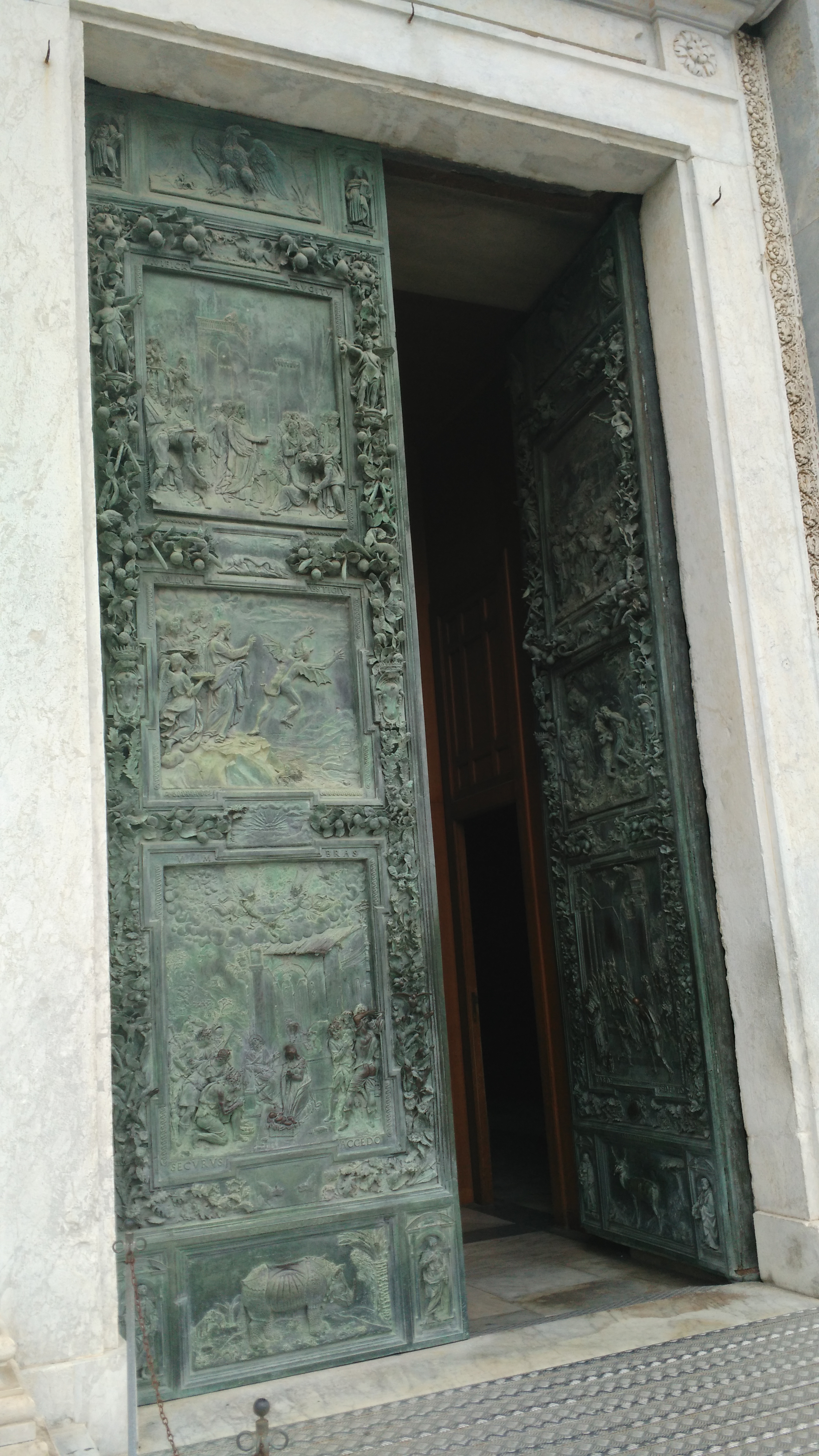
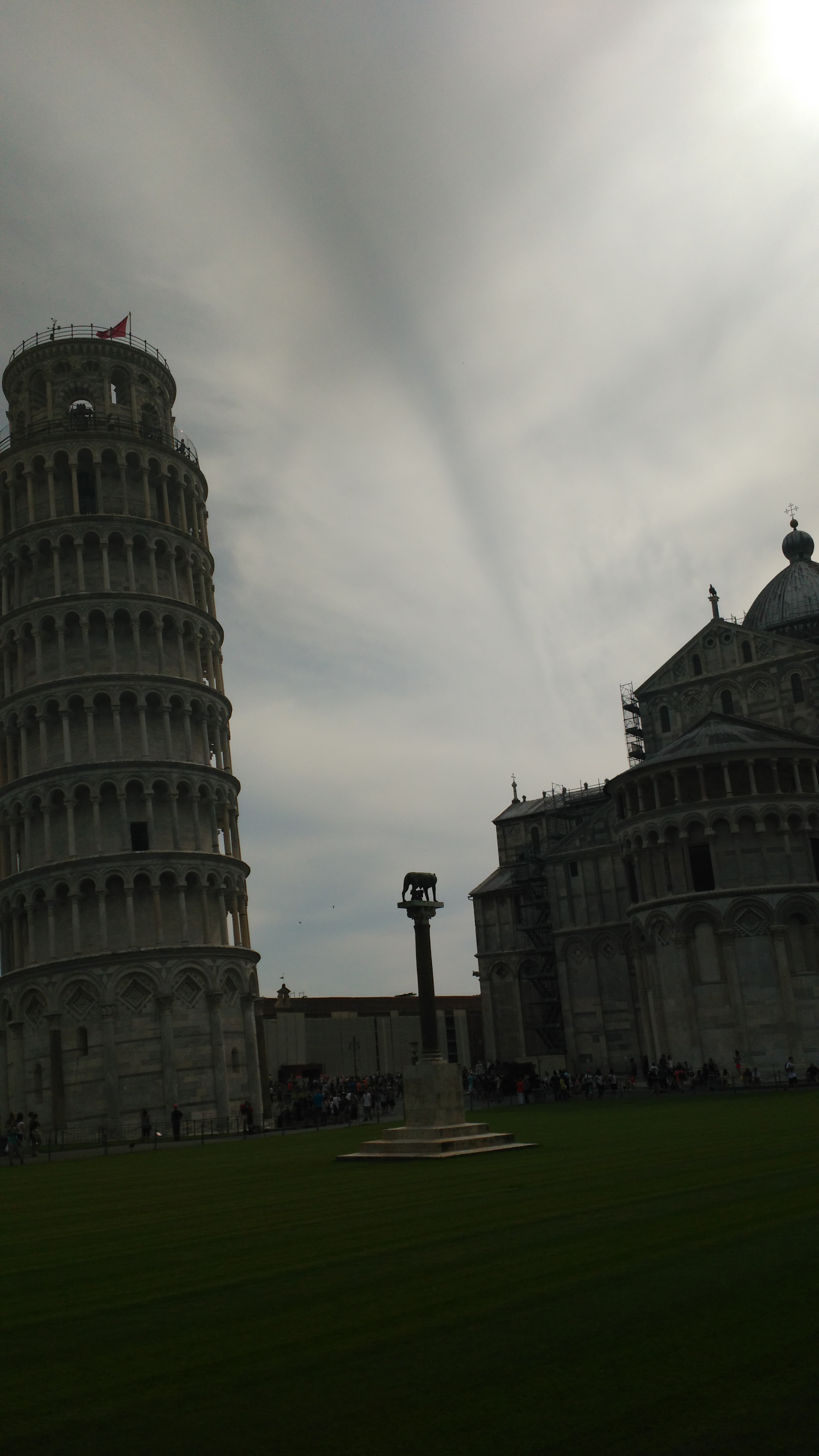

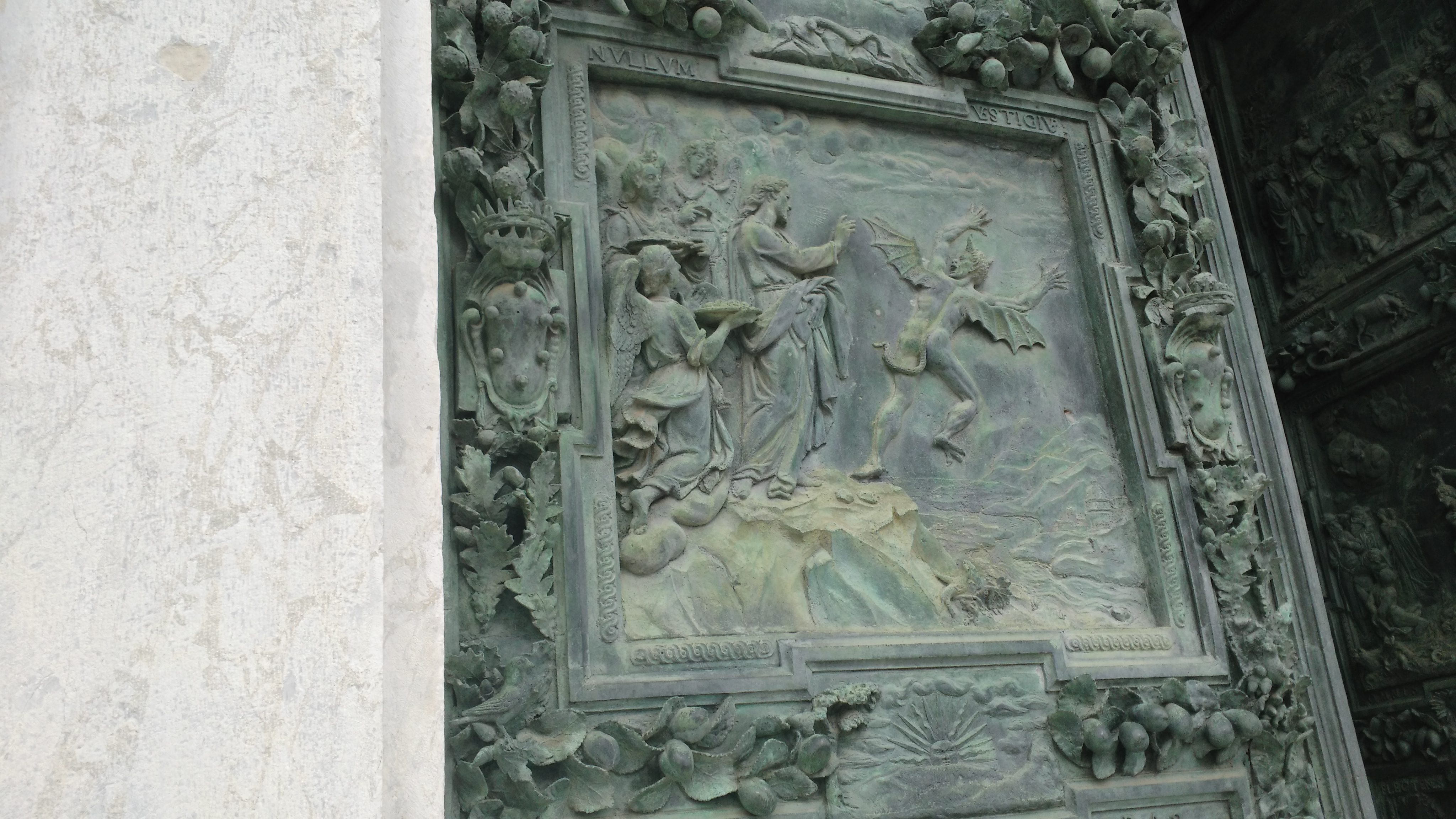
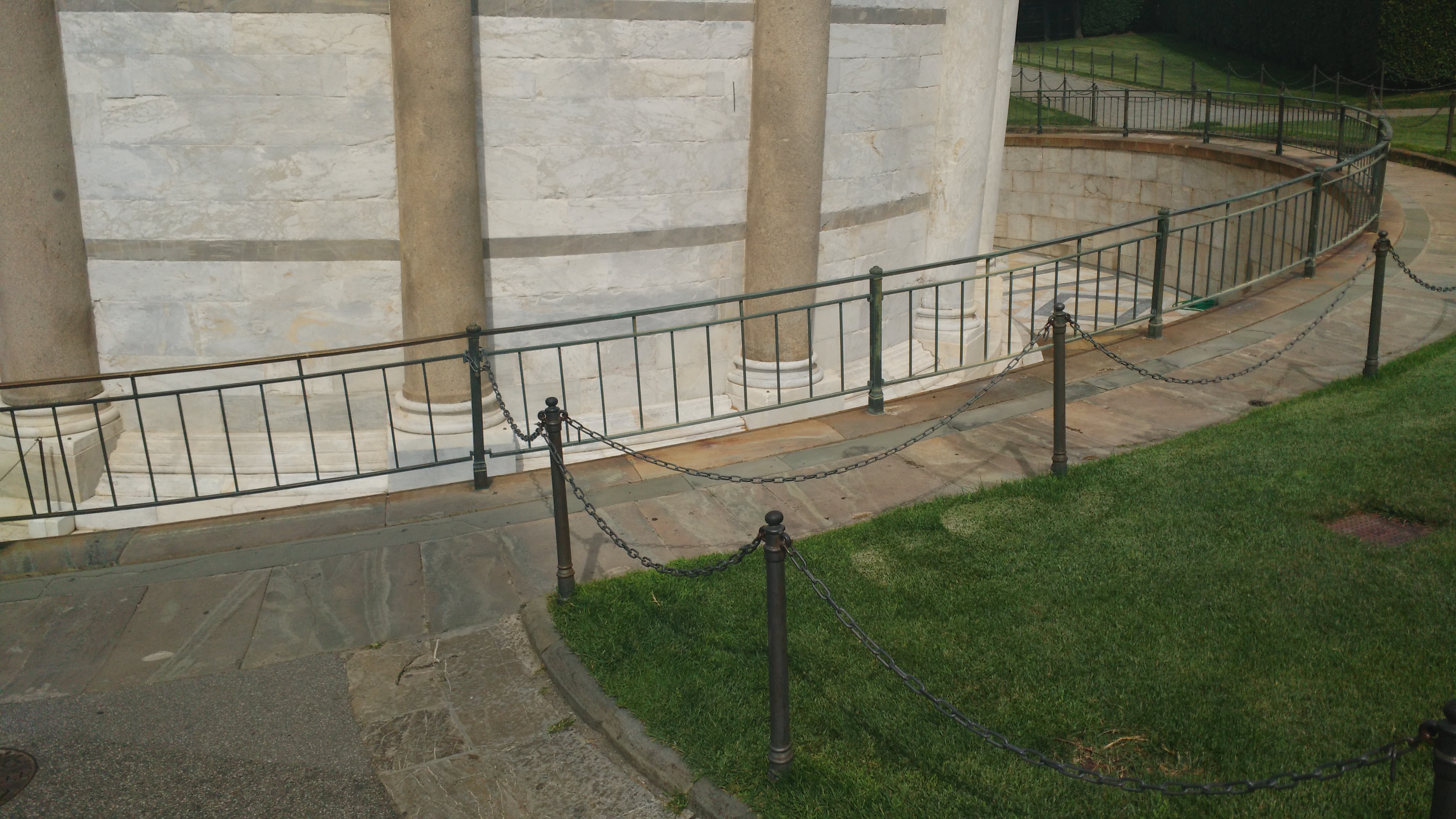
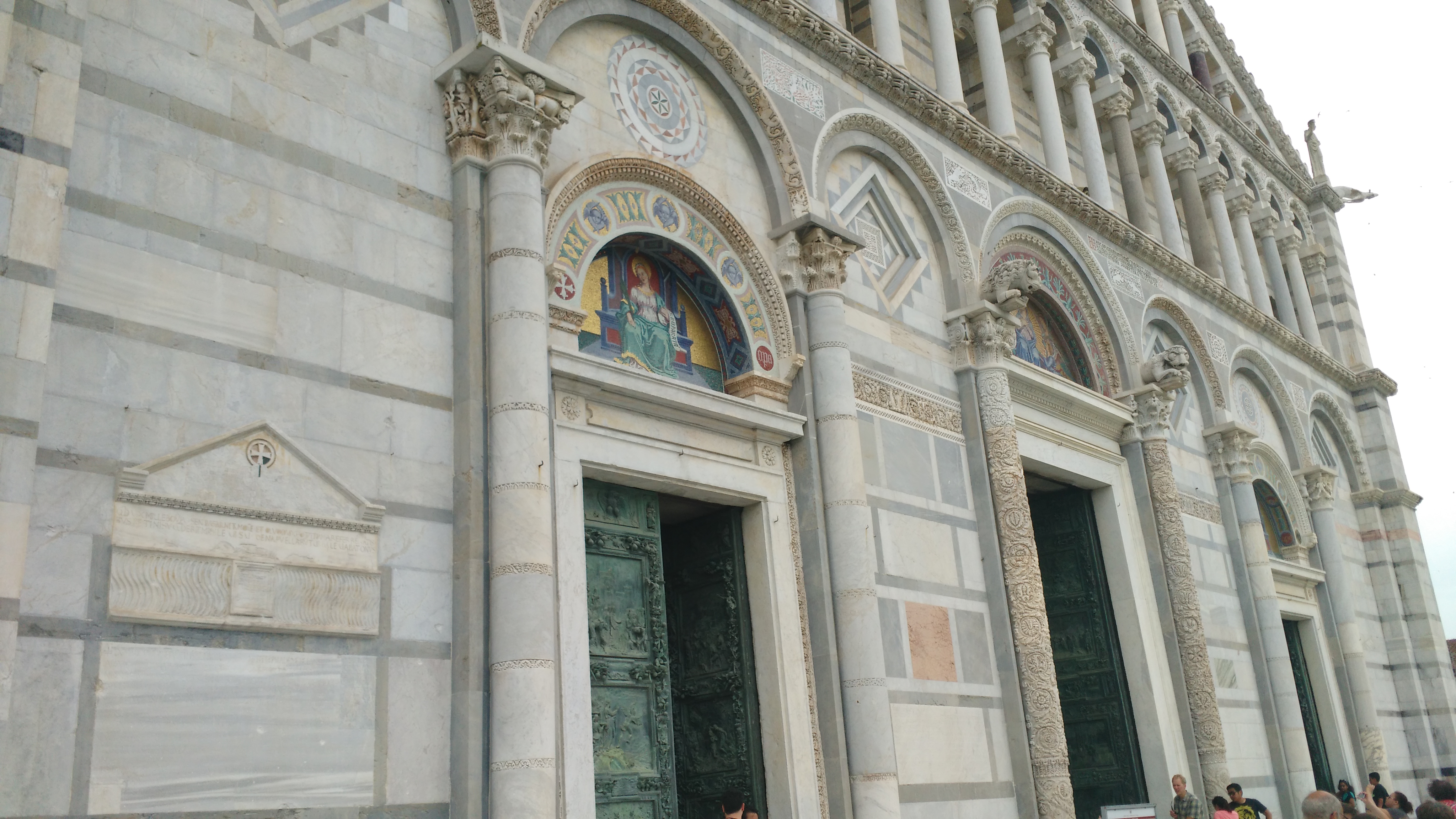
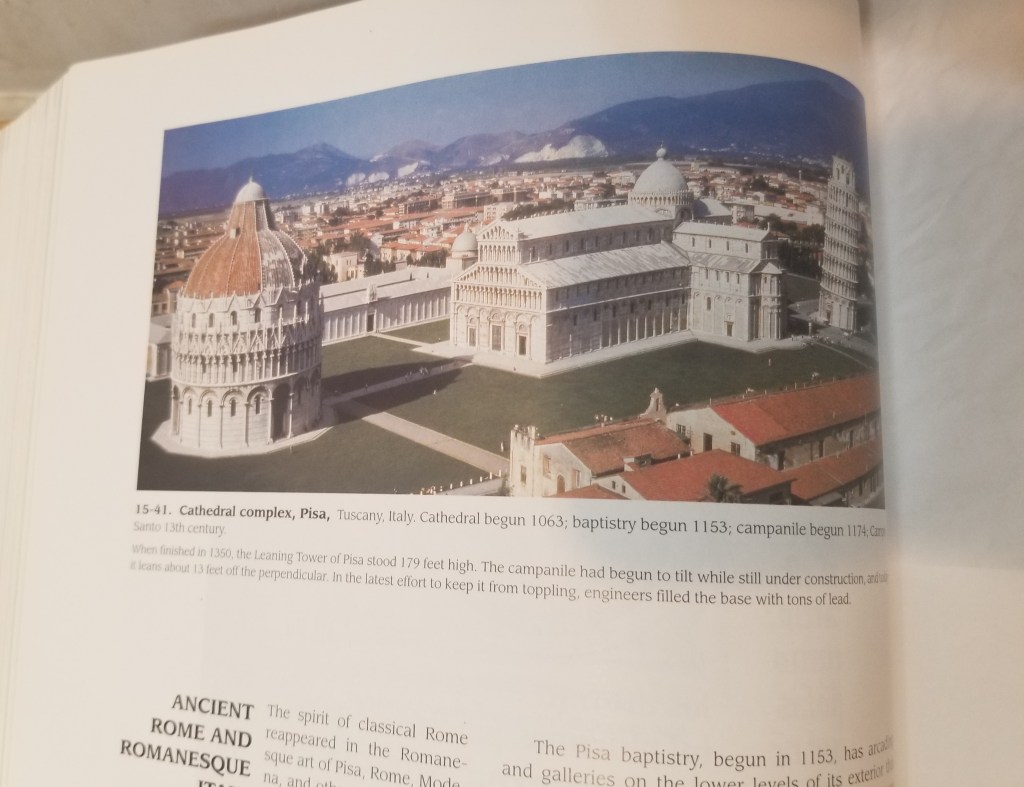
The tour had a train ride through the town to see the daily life of people in the city. It wasn’t a particularly noteworthy train ride but it allowed us to see part of the daily life in Pisa away from the hustle and bustle if touristy areas. We didnt hang around Pisa for too long. We had a ship to catch. Tired from walking, we enjoyed the bus ride back to the ship for some rest. The most walking intensive destinations were over and we could enjoy a late night on the ship, the next morning we would arrive in Marseilles.
Marseilles & Barcelona
I was up very early the next morning. The ship hadn’t arrived at the port just yet so it floated slowly in the harbor. There was a heavy fog and the ship had to navigate slowly through the area. Marseilles appeared behind the fog as a slight seabreeze swept though this quiet southern French port.
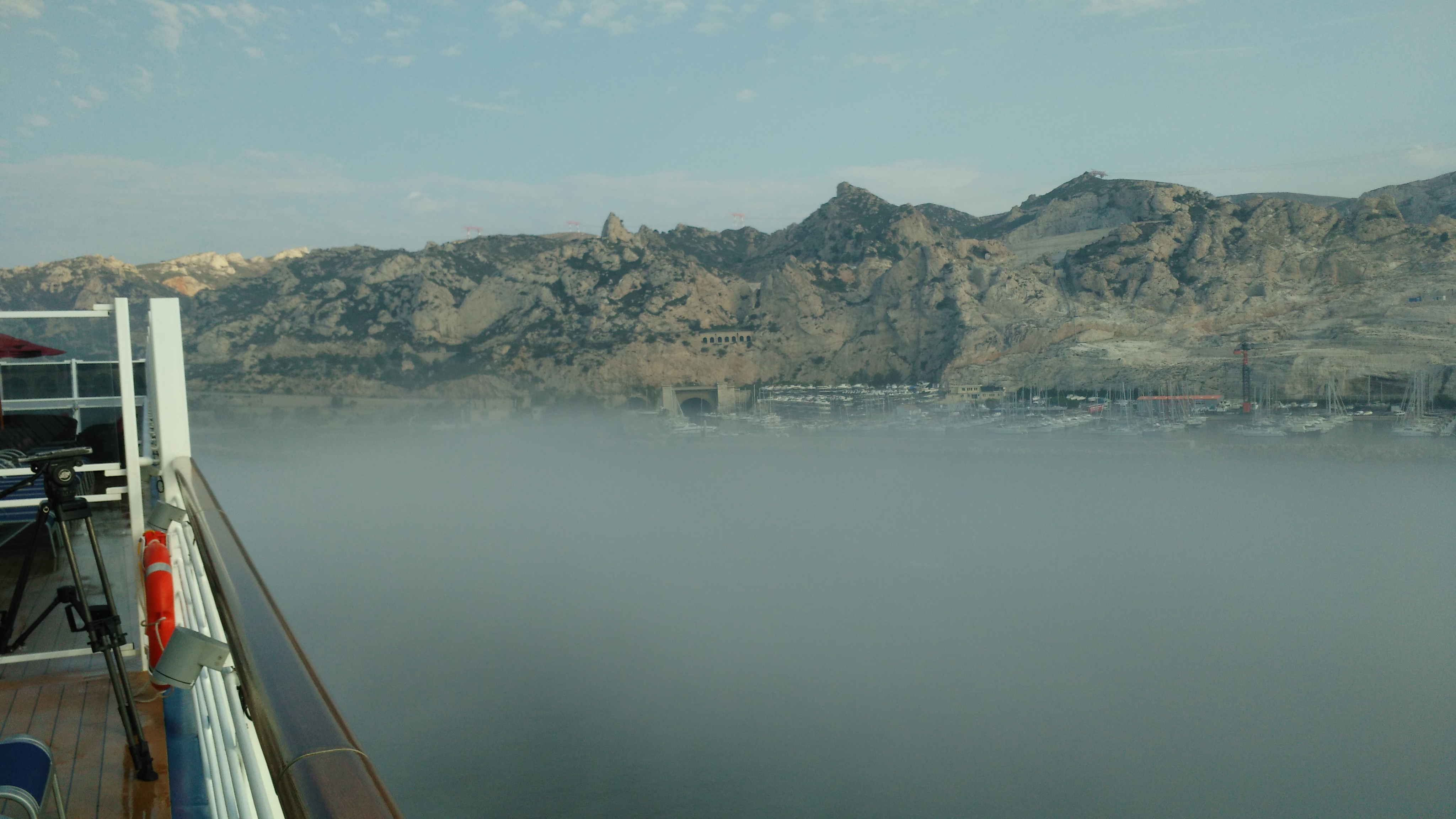
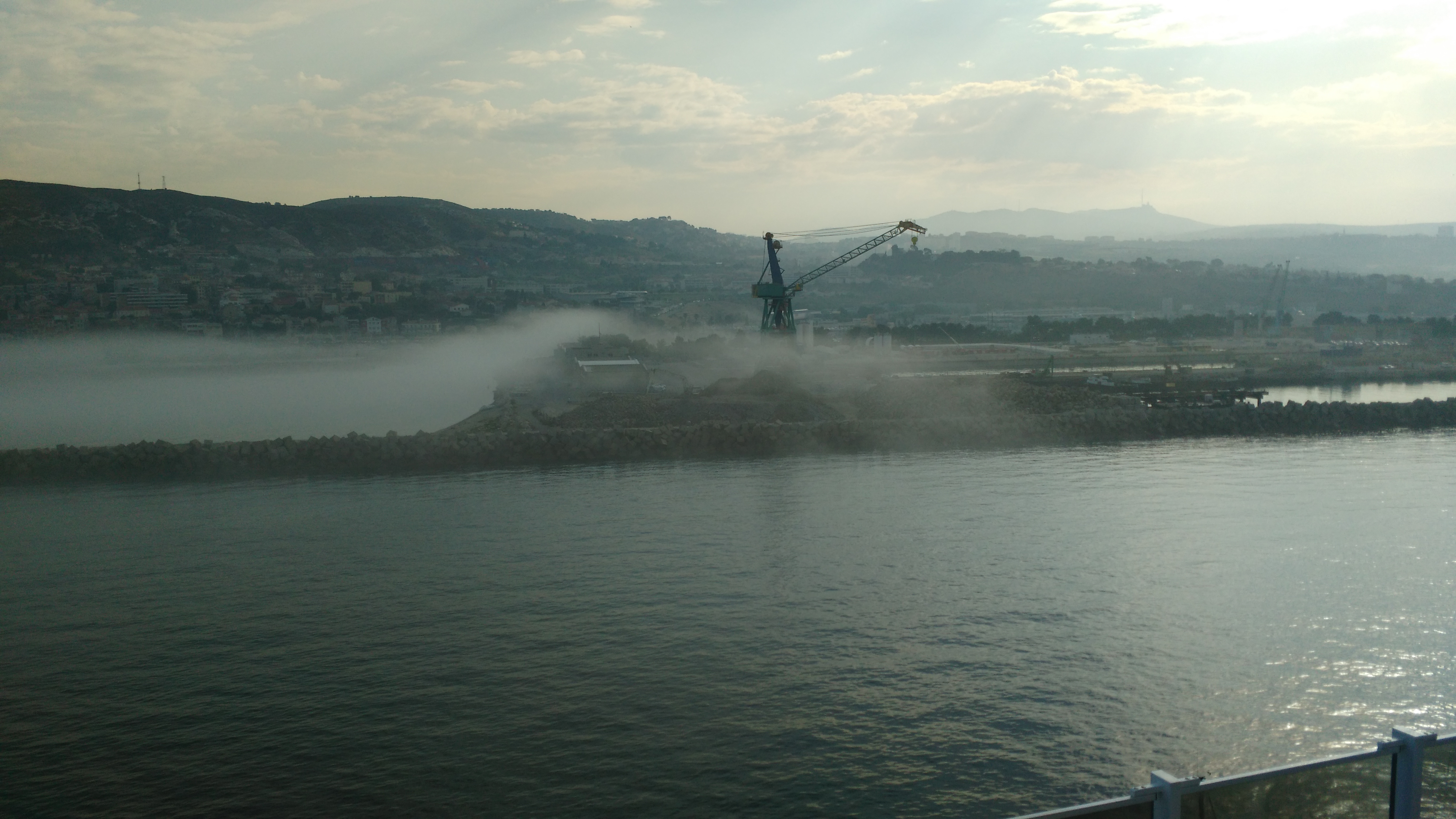
Going into Marseilles was a bit of a trek, the port was far from the city center so either a cab or bus was needed. Some brave souls decided to walk the couple of miles to the mouth of the port to catch a bus, so taxi it was. The city was old, which added to its draw. Victorian architecture ruled the scene and lavender was a staple in the shops throughout. We didn’t schedule a tour but I knew what I wanted to do in Marseilles. Anyone who has read the book or seen the move “The Count of Monte Cristo” will recognize Marseilles as the home of the Chateau d’If where the main character, Edmond Dantes, was imprisoned. For those unfamiliar with the site, the Chateau d’If is an island that contains a prison. It was the Alcatraz before Alcatraz was a thing. So we boarded a small boat to take us there.


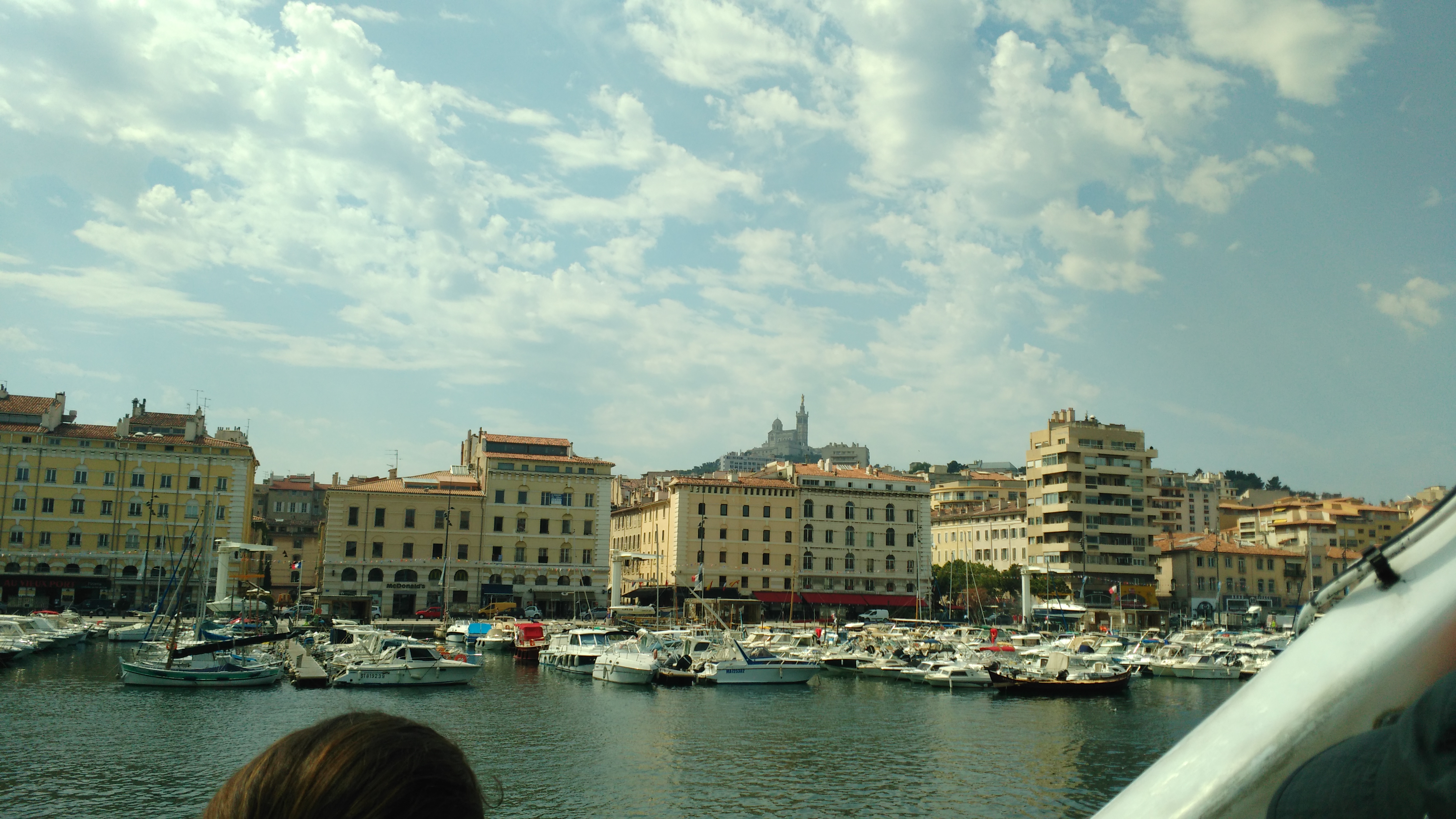
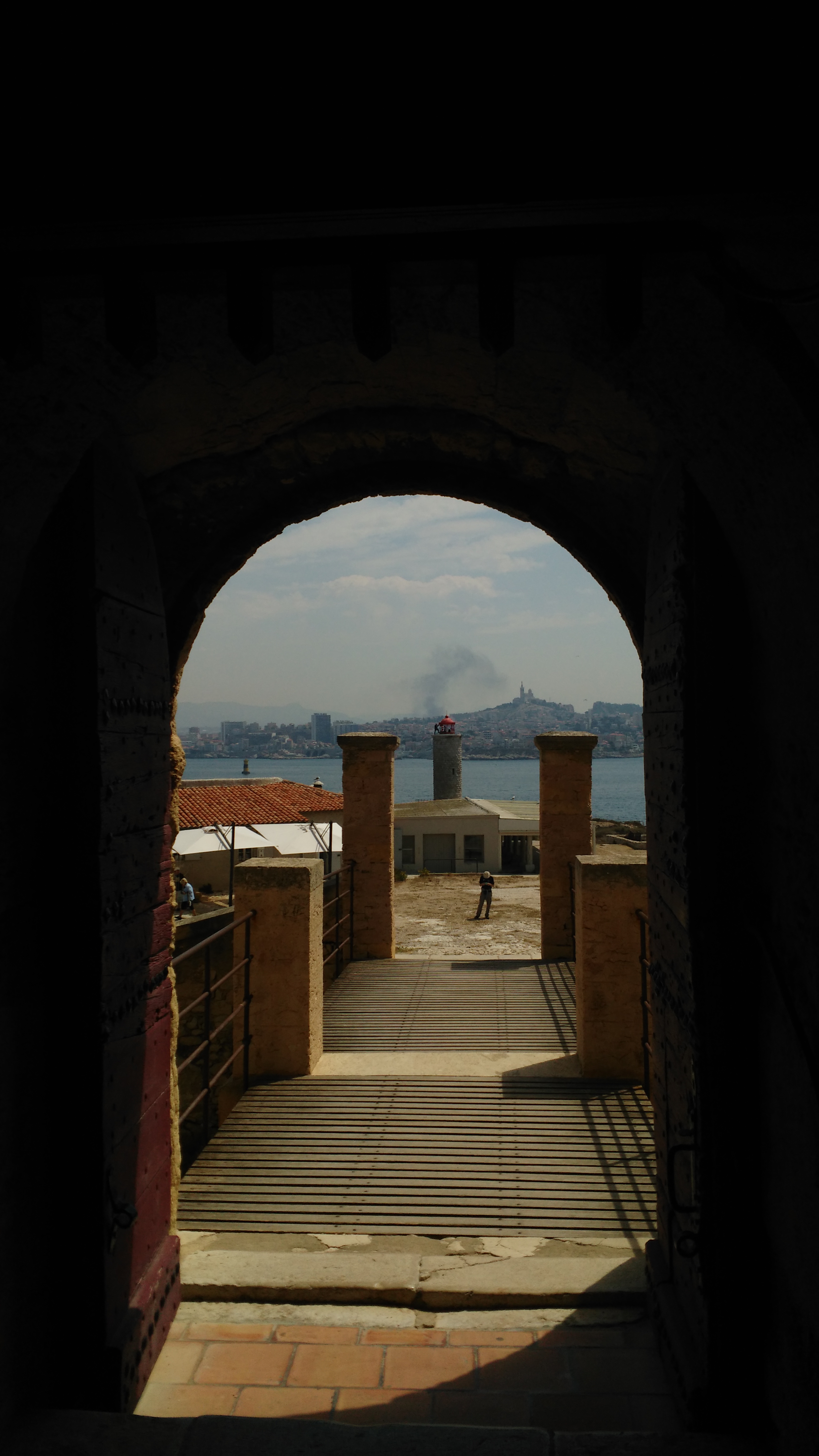
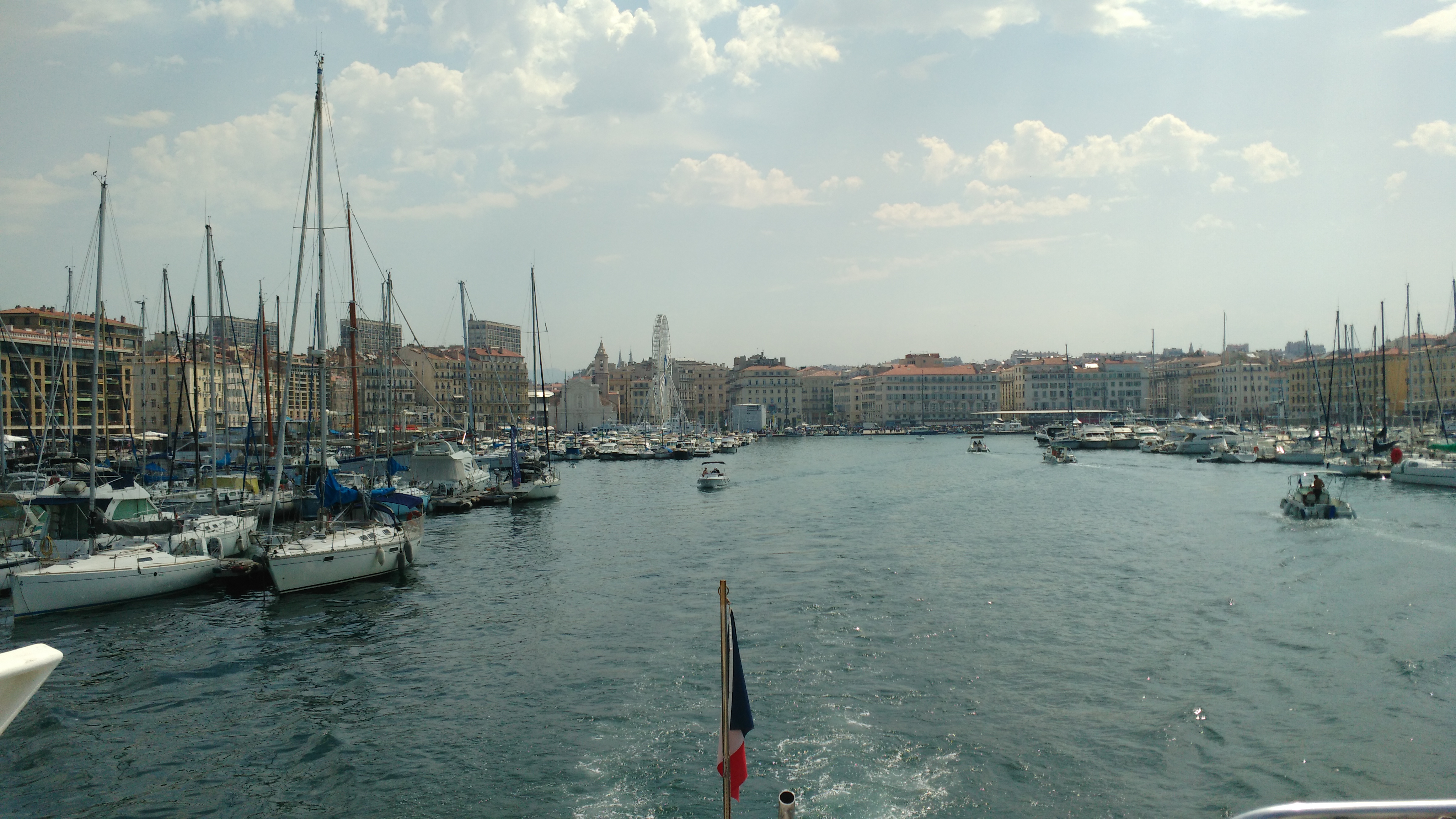
When we returned to the mainland, we decided to go to the local McDonalds to see what the French menu consisted of.

We took in the sights of Marseilles as best as we could but didn’t have the luxury of time, the ship was set to sail a bit early to arrive in Barcelona as early as possible the next morning.
Arriving in Barcelona the next day was the type of arrival cruise guests don’t like. Time to leave the ship and let the turnaround crew do its job to prepare the ship for its next sailing. It was a quick process and we were off the boat with all of our belongings in short order. A short cab ride to the wrong hotel and another cab ride to the right hotel across town and we were able to explore Barcelona a bit more before our departure the next day.
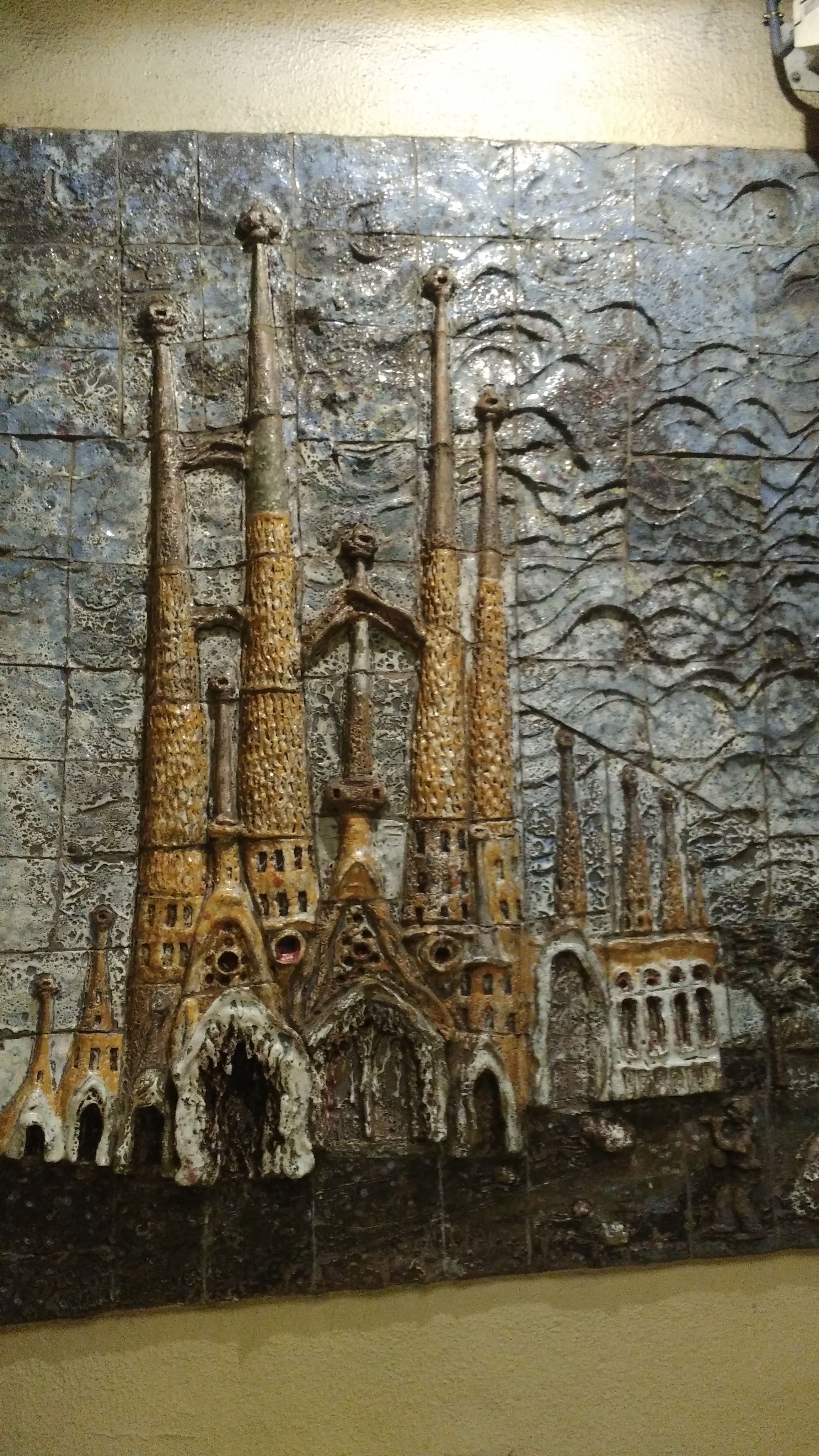
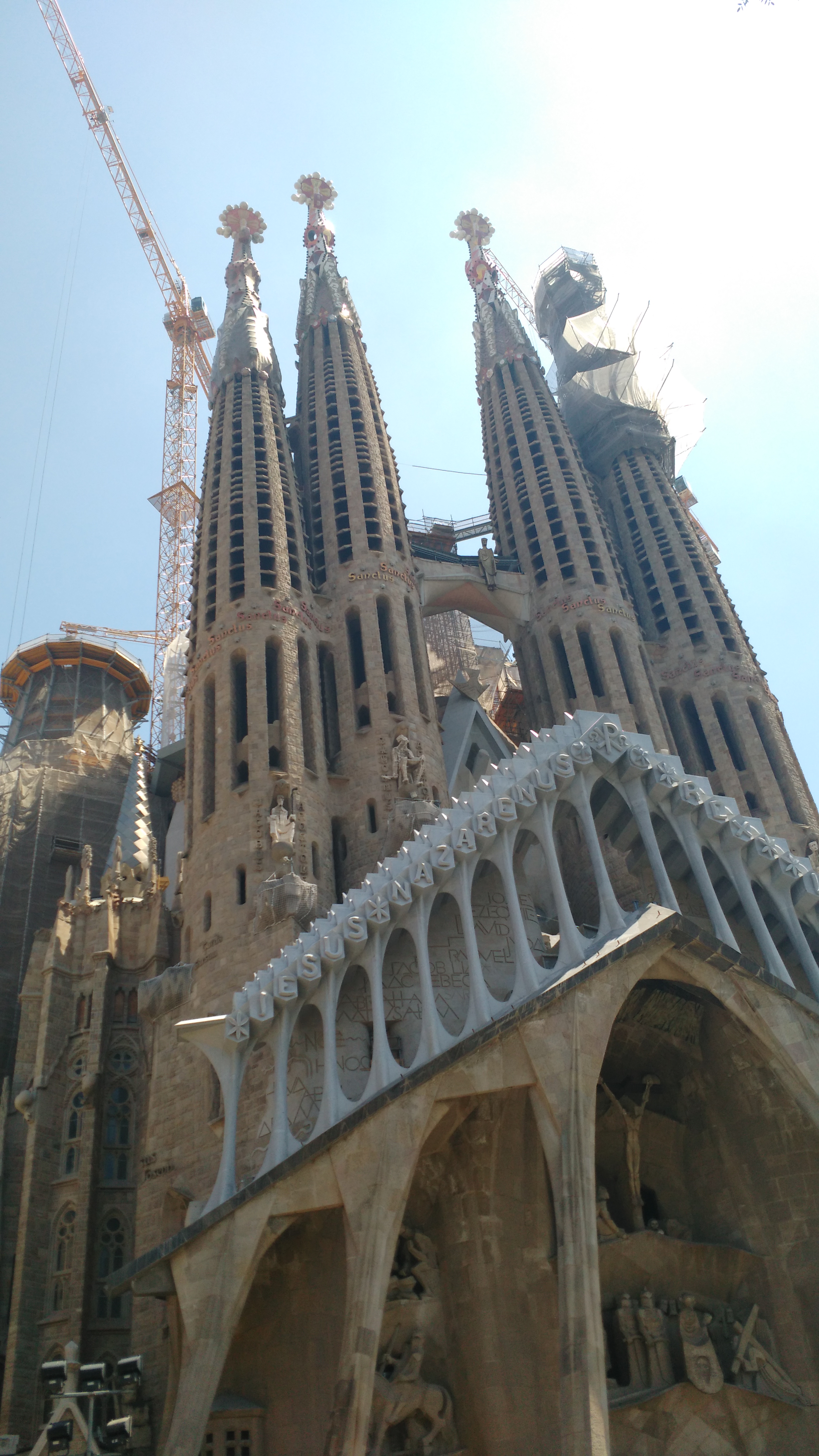
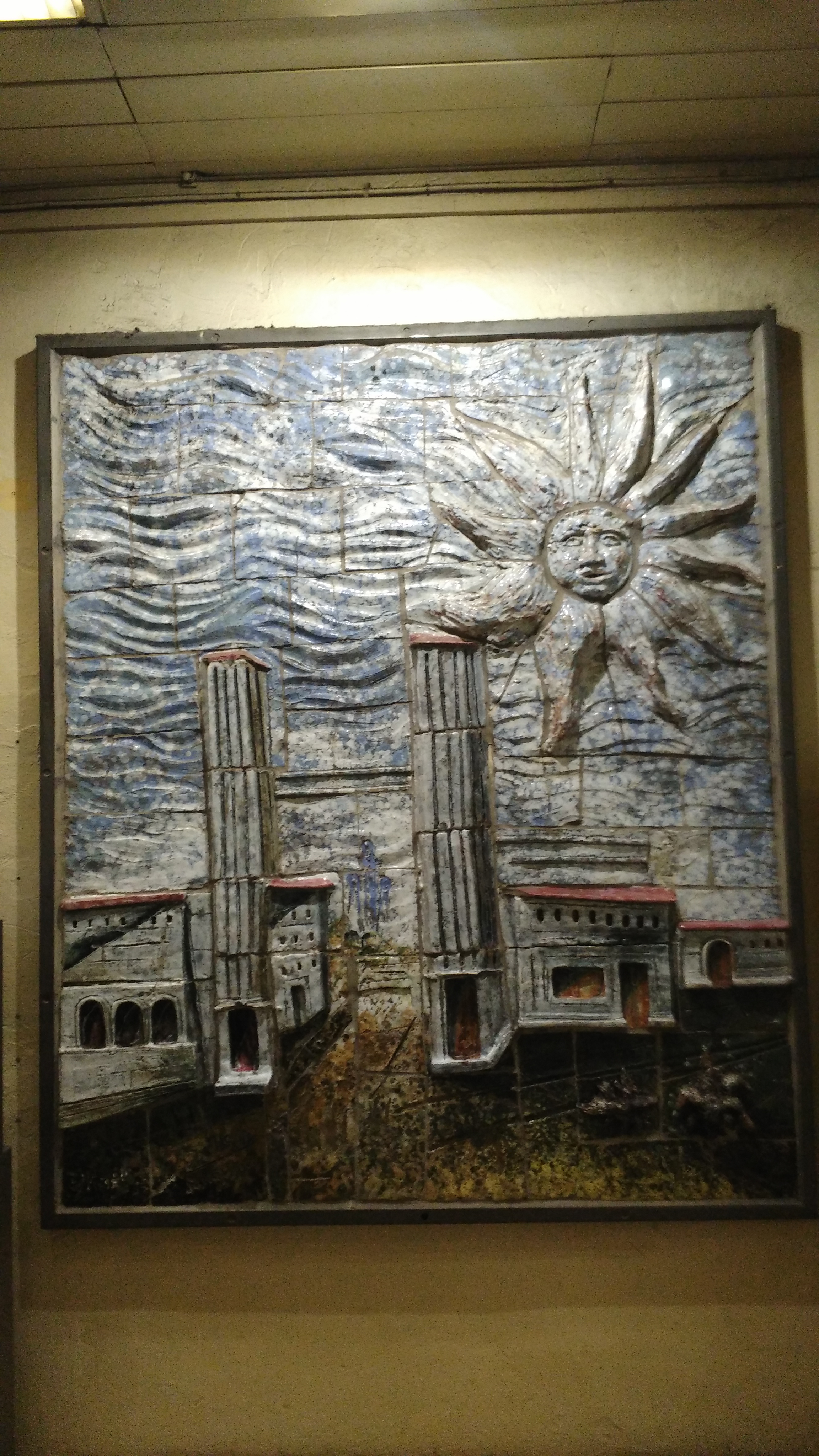
Of course, the main draw for me was the Basilicca Sagrada Familia. We took the subway to get there but it was worth it. It’s an ongoing project that has taken years to get to this point, 137 as of this writing. It’s still not complete and the intricacies along with the logistics of continuing construction make it something to pilgrimage to as an artist. We read up on this basillica in school and I had never given it a second thought after that until this point. Seeing this in a book did not compare to experiencing it in person. Feeling small and insignificant next to the high reaching spires of the structure was a feeling I won’t soon forget.
Tired from almost two weeks of non-stop excitement, we were ready to go home. After some more walking around the Catalan capital of Spain, we went back to the hotel for the remainder of the day to prepare and pack our belongings into suitcases for the flights back home. The next morning, well before the sun rose, we boarded the first of two flights back to Miami. As we taxied to our runway, the sun peaked over the horizon to give us one last European sunrise before we headed stateside.

Overall, I consider the trip as the culmination of every art history course I ever took. I plan on going back one day with my children to give them a world perspective. Hopefully they can appreciate what they see in a meaningful way and they have a chance to visit Eurpoe before they turn 28.
 Oicata Ceramics
Leave a comment